
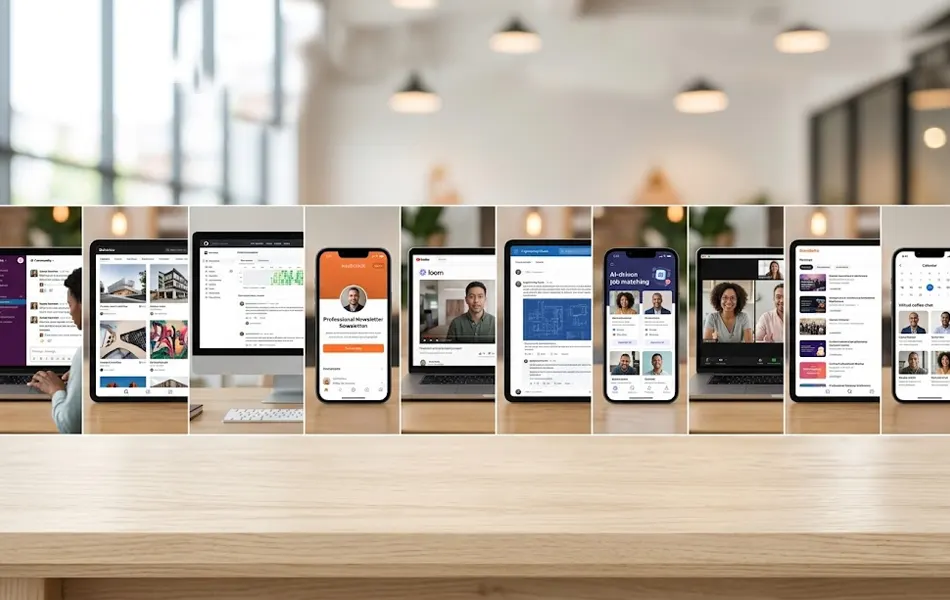
10 Smart LinkedIn Alternatives For Professional Networking
Key Takeaways
- LinkedIn is powerful, but not the only space for networking.
- Platforms like Meetup, AngelList, and Slack focus on collaboration, not just connection requests.
- Diversifying your networking strategy boosts visibility and professional credibility.
- Choose platforms that align with your career goals, work style, and community values.
If you’re finding LinkedIn a bit too broad, impersonal, or cluttered with noise, you’re not alone. With more than 1.2 billion users across 200+ countries, LinkedIn remains the world’s largest professional network.
However, its massive scale often means your feed may not feel relevant, and your inbox can quickly fill up with unsolicited messages. For professionals in the U.S. who value meaningful, niche, or locally focused connections, exploring alternatives can be a smart and refreshing move.
Fortunately, you’re not limited to just one platform. There are several LinkedIn alternatives that offer focused, authentic, and purpose-driven networking opportunities. Whether you’re looking to connect with local professionals, dive into startup ecosystems, or collaborate within specialized communities, there’s a platform that fits your goals.
Let’s explore the 10 smartest alternatives to LinkedIn that can help you build stronger, more intentional professional connections in 2026.
Table of Contents
Top 10 Alternatives To LinkedIn
1. Meetup
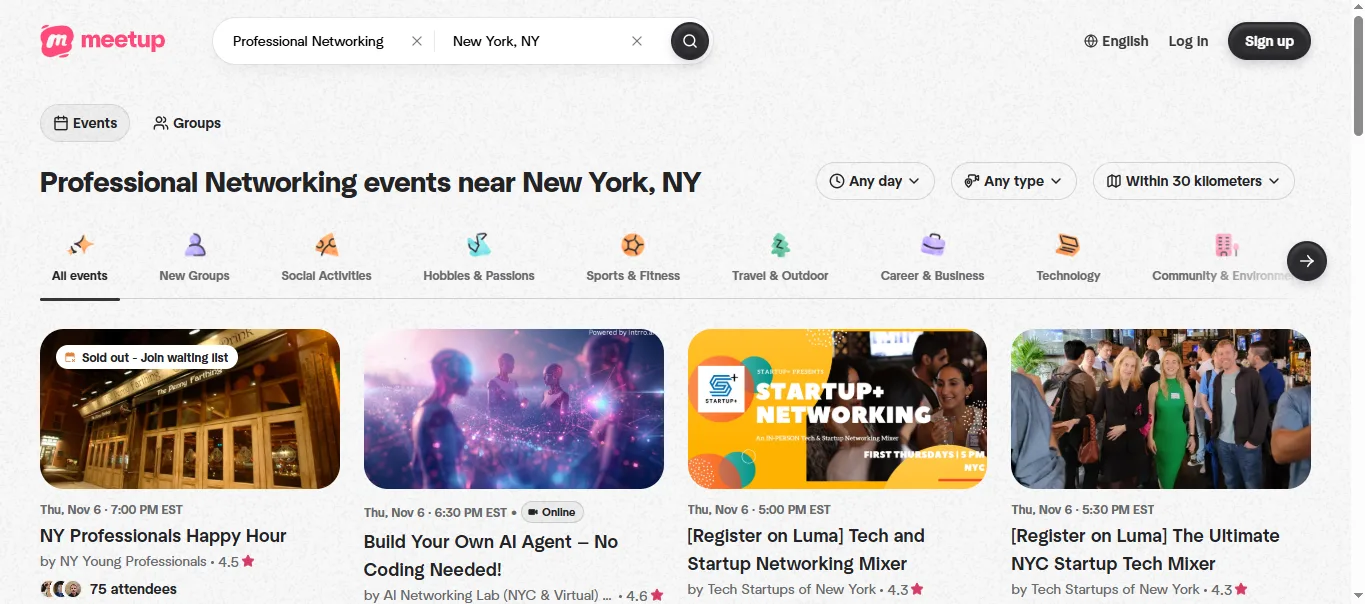
Meetup enables professionals to connect through events that are interest-based and often location-specific. According to its site, there are active “Professional Networking” groups listing thousands of upcoming events in the U.S. across cities like New York, San Francisco, Washington, D.C.
What makes Meetup stand out:
- Hybrid Networking Experience: It blends virtual and in-person networking, allowing you to attend from your home office or a local city venue.
- Topic-Driven Communities: Well-suited for small-group, focused gatherings (e.g., “Data Science Professionals NYC” or “Remote UX Designers USA”).
- Purposeful Connections: Many participants join to learn, share insights, and collaborate, leading to deeper and more meaningful connections than generic connection requests.
Pro tip: Filter by city and topic, RSVP early (some events cap attendance), and consider hosting your own niche group to position yourself as a connector.
2. XING
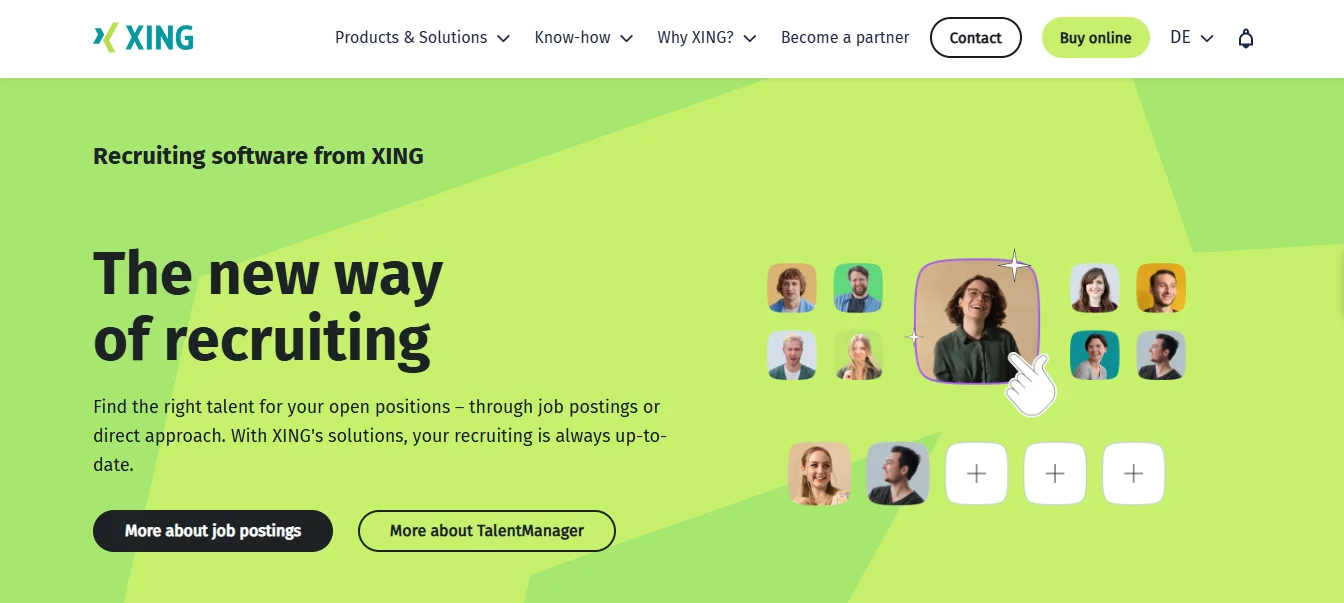
XING is less known in the U.S. than LinkedIn, but it’s making waves for professionals working with international teams or remote clients. In early 2026, XING launched a new global brand campaign, “No Bullshit,” to emphasise authenticity in networking.
Key features include:
- Extensive Job Network: Access to over 1 million job listings and professional connections across Europe, with growing global reach.
- Useful for U.S. Professionals: Especially valuable if you collaborate with European markets, operate across time zones, or want to expand your network beyond domestic borders.
- Global Competitive Advantage: While not yet a primary U.S. networking hub, using XING can give professionals an edge when their work crosses borders or their company has international ambitions.
3. Jobcase
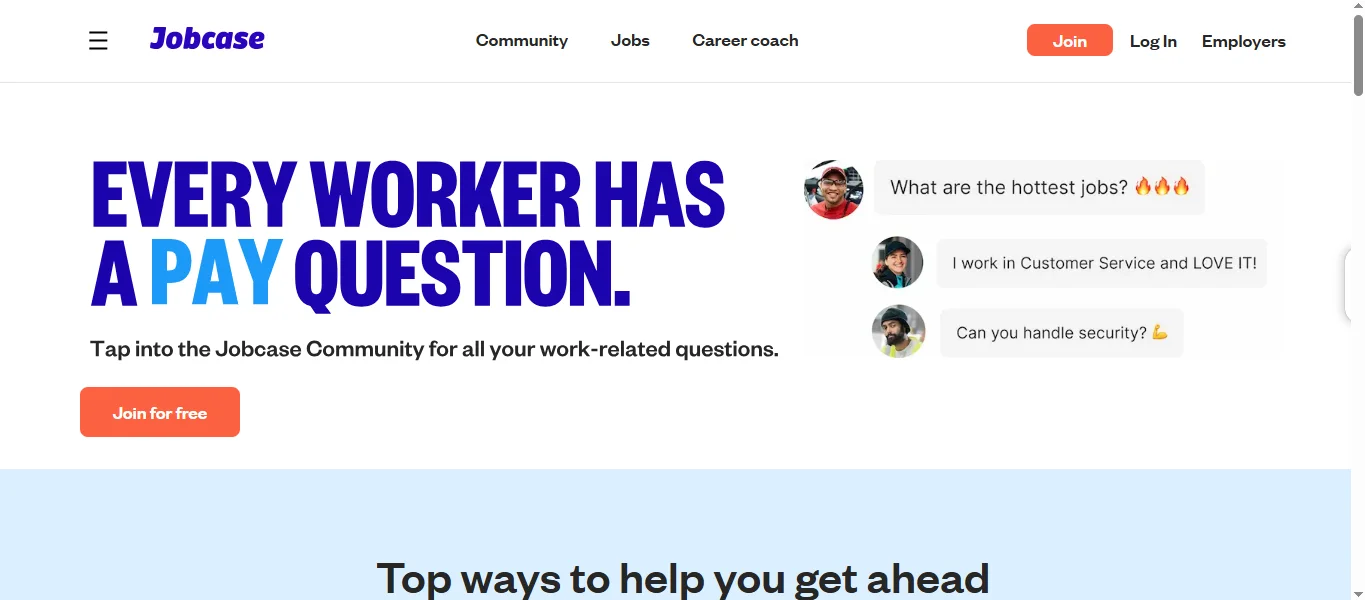
Jobcase positions itself as a platform for everyday workers, especially hourly, trades, and service-industry professionals, combining jobs + community. According to their “About” page, they now list 120 million+ registered members and over 12 million monthly unique visitors in the U.S. as of Q2 2026.
Why it’s a strong LinkedIn alternative:
- Broader Workforce Reach: If your professional network intersects with non-executive or non-white-collar workers, you’ll find peers and professionals who aren’t always visible on LinkedIn.
- Community-Focused Platform: It emphasizes community and shared experience, not just job postings. Workers often support each other with career transitions, wage growth, and skills development.
- Valuable for Employers: Employers and professionals value the platform for reaching this segment of the workforce in the U.S.
If you’re in operations, logistics, retail, gig economy work, or want to network with people who have similar backgrounds but may not use LinkedIn heavily, Jobcase is worth exploring.
4. AngelList
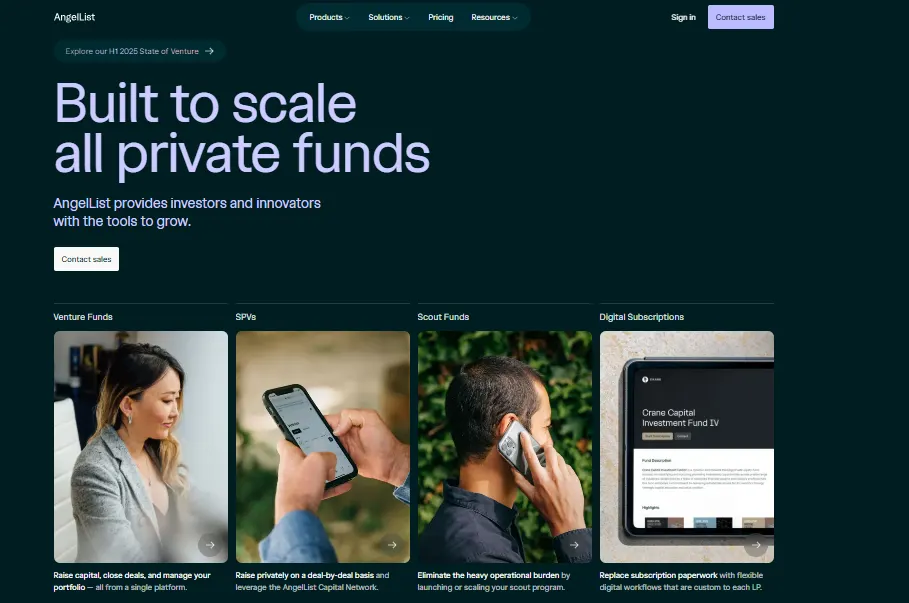
AngelList (and its job-platform rebrand Wellfound) remains a critical platform for startup hiring, investing, and talent connections. In September, there were dozens of live job postings in the U.S. on AngelList, ranging from Product Counsel to Head of Data Engineering.
Why you might choose AngelList:
- Ideal for Startup Ecosystems: If you work in tech, early-stage companies, venture capital, or innovation hubs (e.g., San Francisco, Seattle, Boston), this platform is well-suited for startup-focused networking.
- Direct Access to Key Players: It allows you to connect with founders, investors, and talent managers in startup ecosystems, often bypassing the larger corporate networks typically found on LinkedIn.
5. Opportunity
Opportunity is a lesser-known but interesting networking app. It uses AI matching to connect professionals based on their stated intent, whether job seeking, sales leads, partnerships, or hiring.
What you should know:
- Intent-Based Matching: Unlike broad networking platforms, Opportunity focuses on intent-based matches, helping users connect with professionals who have relevant goals or needs.
- Ideal for Strategic Roles: Particularly useful for professionals in business development, recruiting, sales, or those looking to build partnerships rather than just expand connections.
- More Targeted Networking: If you’re tired of generic outreach, Opportunity can provide a more focused and relevant networking experience.
6. Slack
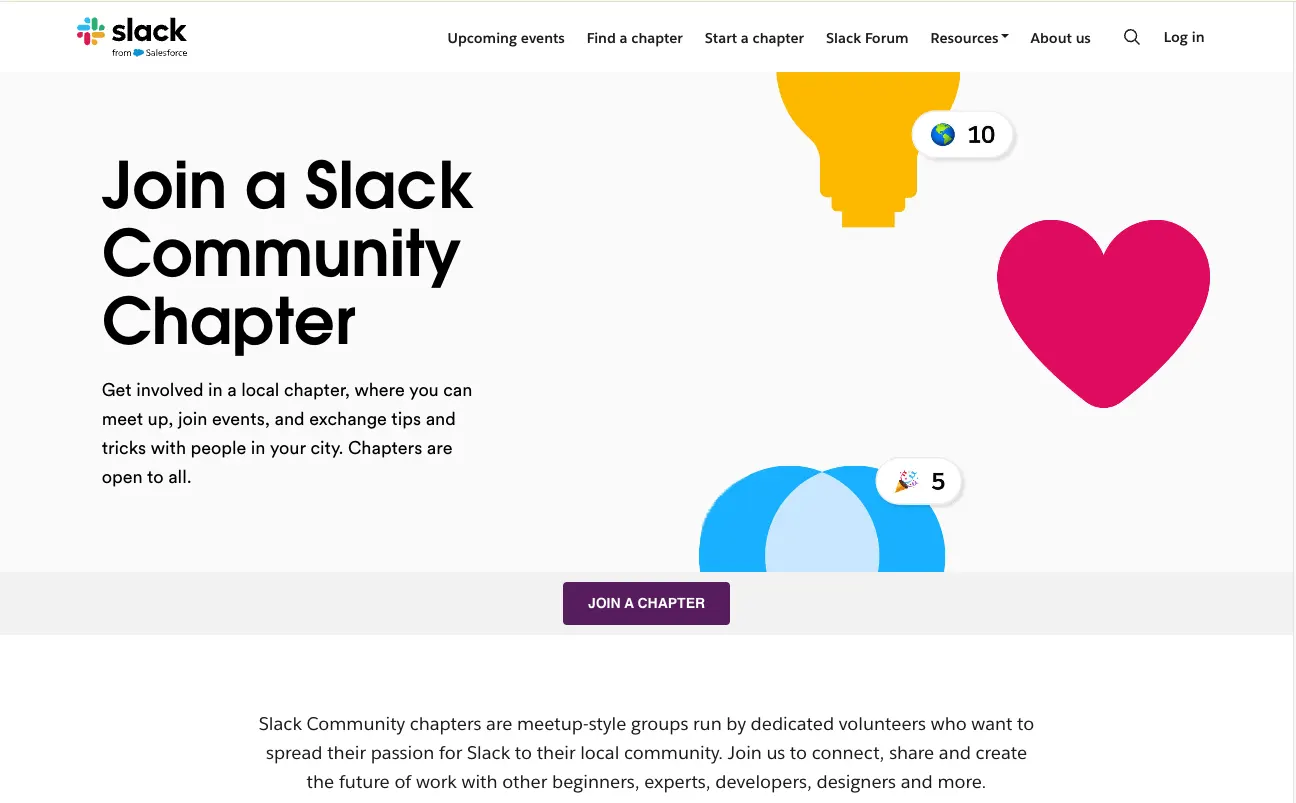
Slack is primarily known for internal team collaboration, but it also hosts public and invite-only communities that function as networking hubs. In 2026, projections estimate Slack could reach ~79 million monthly active users globally.
How to use Slack for networking:
- Join Industry-Specific Communities: Search for public Slack groups related to your field (e.g., “Marketing Professionals USA,” “UX Designers Remote USA”). These communities often host discussions, job channels, and virtual meetups.
- Conversation-Driven Networking: Because Slack focuses on active conversations rather than static profiles, participating in discussions helps you build deeper professional relationships.
- Ideal for Ongoing Engagement: If you prefer continuous interaction over one-time connection requests, Slack can be a strong alternative for professional networking.
7. Facebook Groups
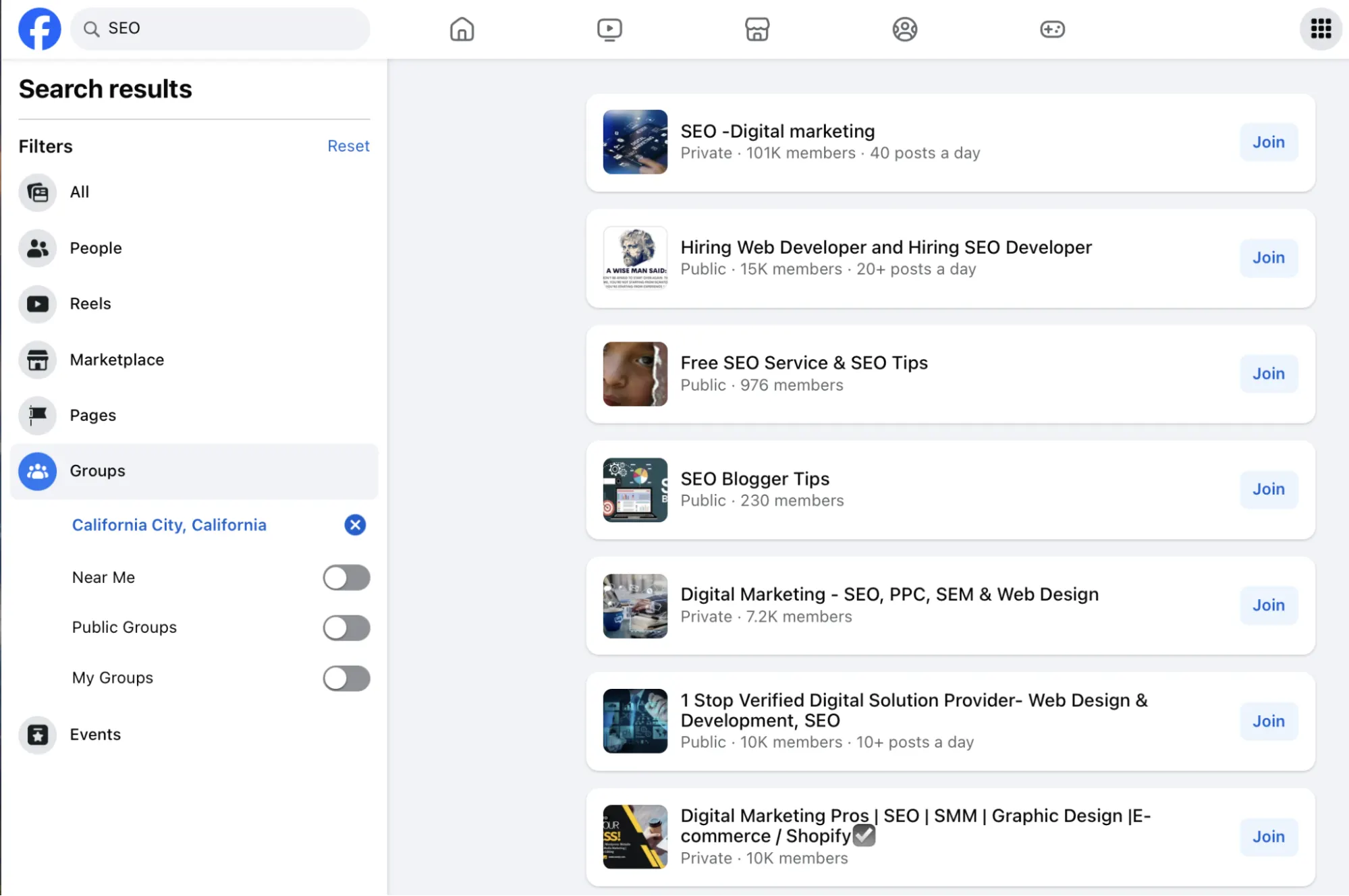
Facebook may feel casual, but its Groups feature is a surprisingly strong venue for professional networking. Many U.S.-based freelancing, entrepreneurship, and niche industry groups are active and provide peer support, job leads, collaboration, and local networking.
Why this matters:
- Great for Freelancers and Small Businesses: Freelancers, consultants, and small business owners often benefit because groups are highly topic-specific (e.g., “Remote Digital Marketers USA,” “Freelance Writers Collective US”).
- High Engagement Communities: Participation levels can be high, creating genuine two-way discussions unlike some large professional networks where posts receive minimal interaction.
To get the most: join groups aligned with your niche, contribute value, ask questions, and attend any group-organised webinars or meet-ups.
8. Reddit
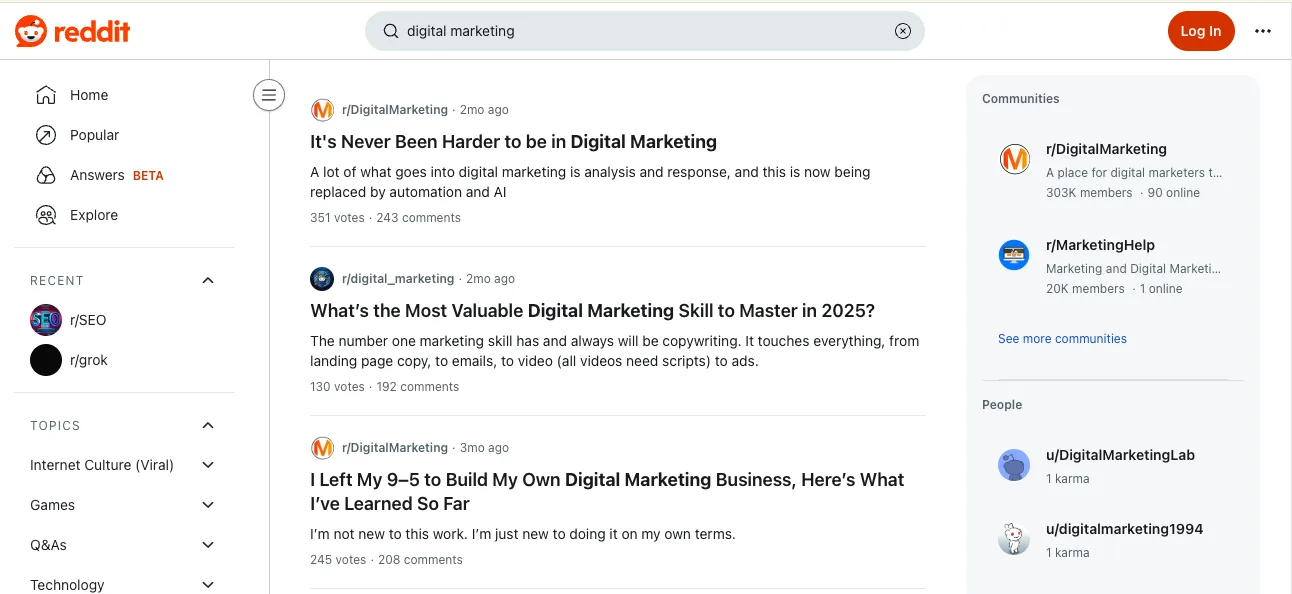
Reddit isn’t designed primarily as a professional networking site, yet it offers community-based knowledge exchange that can support networking in unexpected ways. Subreddits like r/Entrepreneur, r/CareerGuidance, or r/DigitalMarketing have U.S.-based professionals sharing insights and advice.
How you can make Reddit work for networking:
- Build Credibility Through Contribution: While Reddit doesn’t emphasize public profiles like LinkedIn, you can build credibility by sharing thoughtful replies and occasionally linking to your work or blog.
- Use It for Industry Insights: It’s useful for gathering industry intel, reading peer experiences, asking thoughtful career questions, and discovering niche professional forums.
- Understand the Culture: Reddit is informal by design, so treat it as a knowledge-sharing and community platform rather than a direct networking or “connect-with-me” tool.
9. Bark
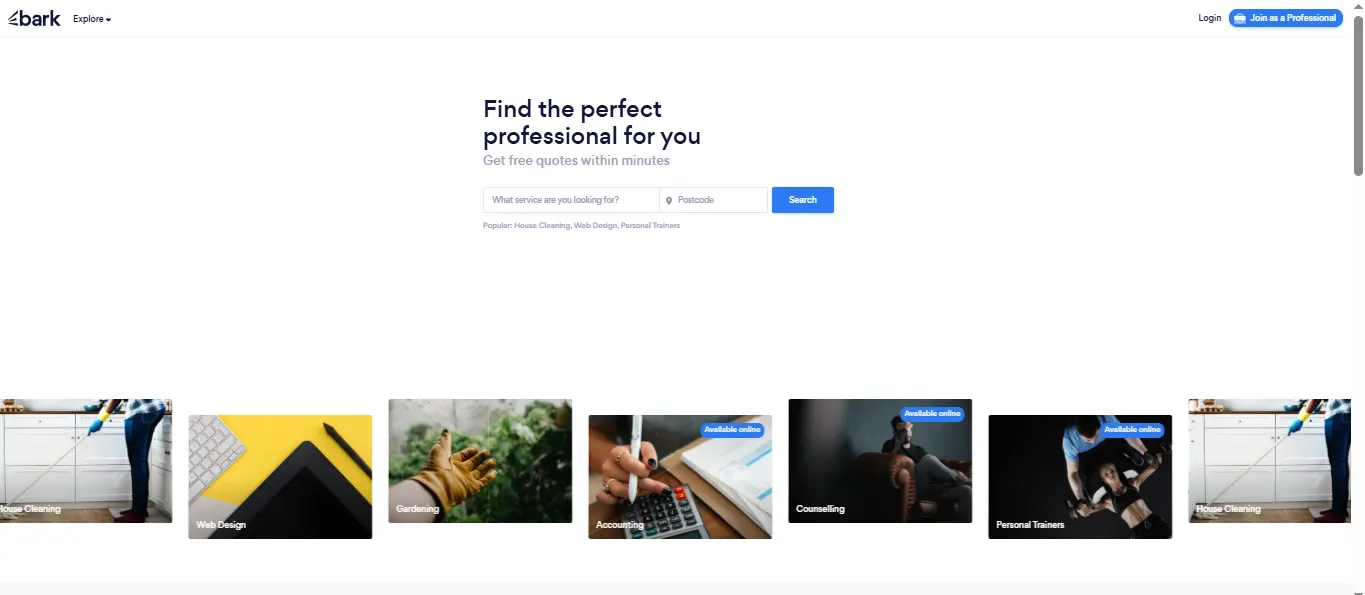
Bark is a professional-services marketplace that connects clients with service providers (e.g., marketers, coaches, photographers) and is active in the U.S. According to recent reviews (2026), it ranks in the top 10% of freelance platforms according to G2.
Why it works for networking:
- Lead-Focused Networking: If you are a service provider (freelancer, consultant, or small business professional) seeking leads and clients rather than just peer connections, Bark offers both a network and a marketplace.
- Filtered Client Opportunities: You can create a profile, receive leads based on your location and expertise, and connect with potential clients looking for specific services.
- Ideal for Service-Based Professionals: Best suited for professionals whose networking is closely tied to delivering services, not just traditional employment networking.
10. Indeed
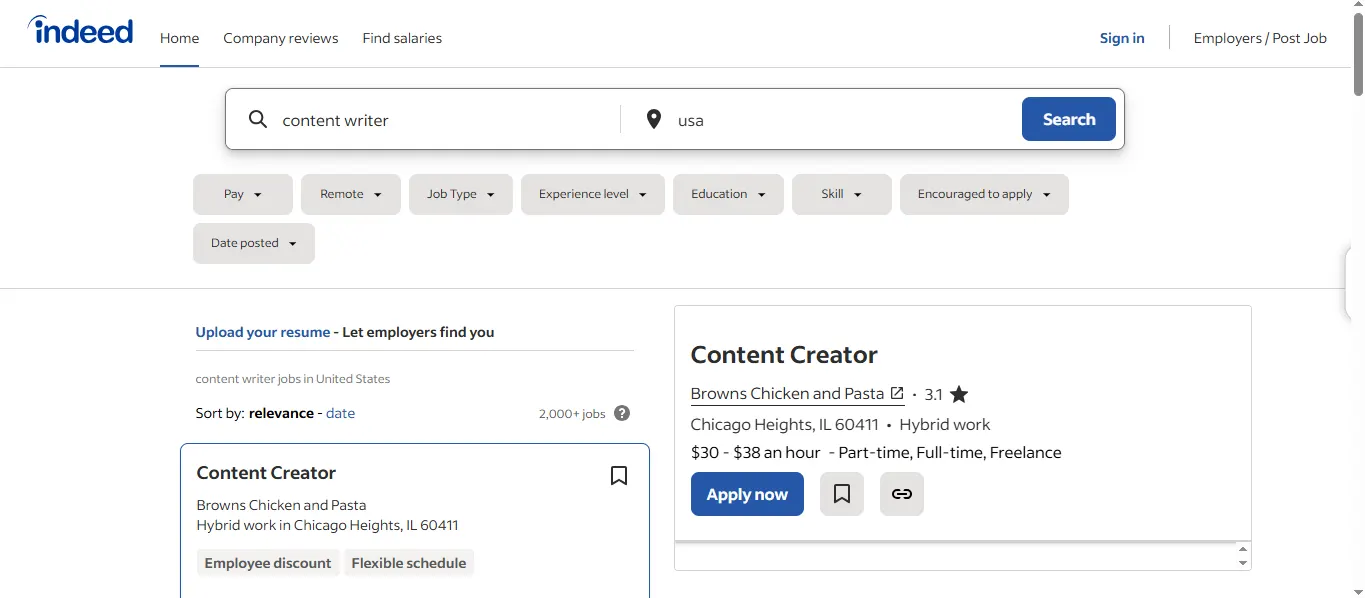
Indeed is strongly known as a job search engine, yet it increasingly supports professional networking and community features: employer reviews, user profiles, and job-seeker forums.
How to dig in:
- Hybrid Platform: Treat Indeed as both a job search tool and a networking platform by engaging with company reviews, forum discussions, and completing your professional profile.
- Dual Visibility: For U.S. job seekers, it offers exposure to recruiters while also enabling interaction with peers who comment, review employers, or participate in discussions.
- Boost Job-Hunting Visibility: If you’re actively searching for opportunities, using Indeed as part of your networking strategy can increase visibility beyond passive job browsing.
Partner with our Digital Marketing Agency
Ask Engage Coders to create a comprehensive and inclusive digital marketing plan that takes your business to new heights.
Contact Us
Final Thoughts
Networking today is about authenticity and shared purpose, not just collecting contacts. Whether you’re joining a Meetup in your city, expanding your startup reach via AngelList, or participating in a Slack community where your peers are active, the most meaningful opportunities often come from the platforms that align with your goals and where you show up.
Take the leap beyond LinkedIn, engage where your peers engage, and the next genuine professional connection might be just one conversation away.
FAQs
Different platforms offer more personalized and relevant networking experiences, whether through local events, niche communities, or startup ecosystems.
In 2026, competitors like Indeed, AngelList, and XING have gained popularity by offering more specialized networking and job opportunities.
LinkedIn remains the largest professional networking platform globally, though AngelList and Slack communities are gaining traction in niche and startup sectors.
The best platform depends on your goals. LinkedIn works best for corporate networking, Meetup for local events, and Reddit for community discussions and peer advice.
Yes, LinkedIn remains highly valuable for professional visibility and career opportunities, but combining it with other platforms can expand your reach and authenticity.
AngelList and various Slack communities are highly effective for startup founders and professionals seeking investors, collaborators, and startup opportunities.
Start by defining your goals such as job searching, mentorship, or business development. Then choose platforms that align with those objectives.
No. In fact, diversifying your networking platforms can improve your connections by exposing you to new communities, perspectives, and opportunities.
Yes, many Reddit communities provide valuable career advice, especially when you participate in well-moderated subreddits with active and experienced members.


