

Beyond the Blue Links: How AI is Sourcing Information and What it Means for Content
For two decades, the digital information landscape has been defined by Google’s search engine results. Today, that model is being challenged by AI-driven “answer engines” like ChatGPT, which synthesize information rather than simply pointing to it. A common assumption is that these new tools are merely a conversational layer over Google’s index. Still, a closer look at the data reveals a more complex and strategically independent system.
An analysis by the SEO firm Ahrefs provides a quantitative starting point. By examining 118,931 background queries from ChatGPT, the study offers a valuable, if incomplete, window into a new information retrieval paradigm that is forcing creators and marketers to rethink the fundamentals of online visibility.
Table of Contents
A Critical Look at the Data
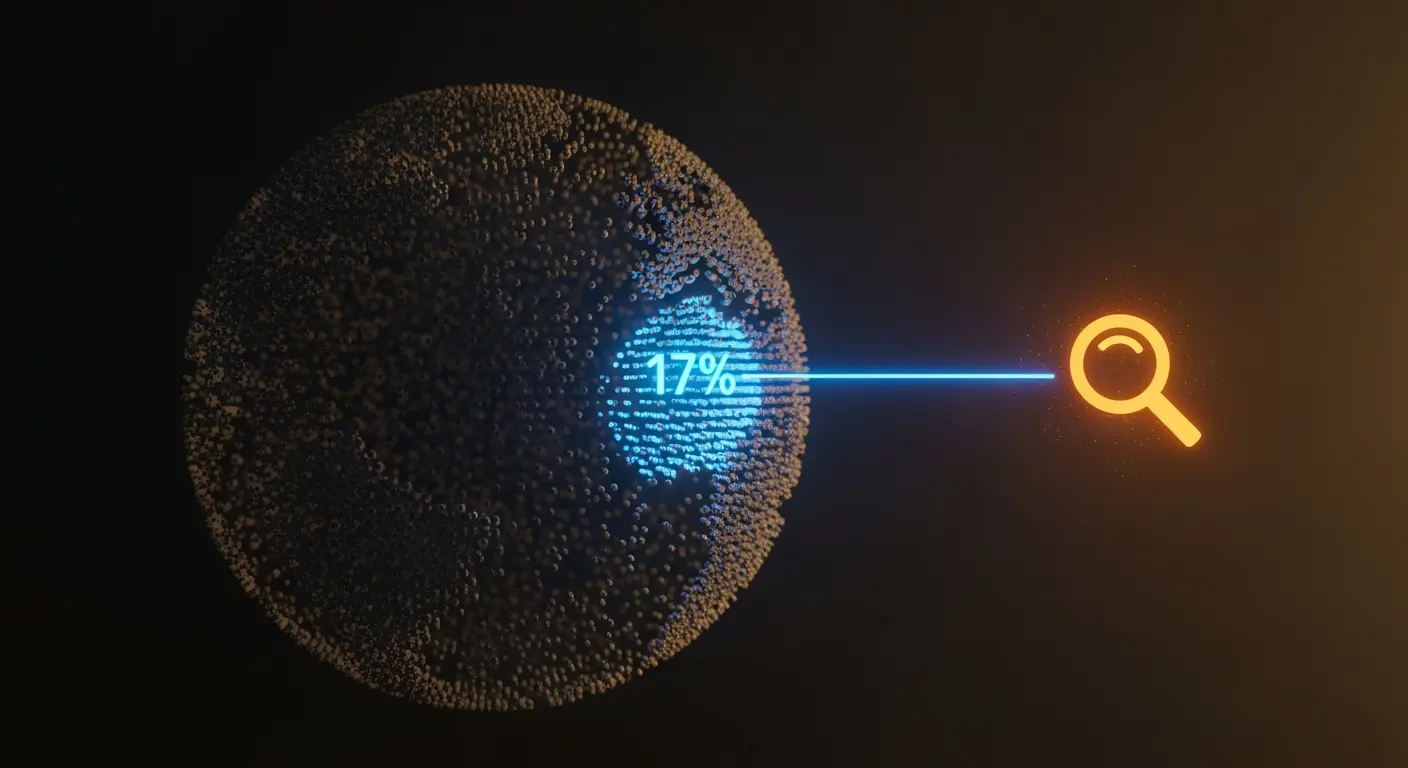
The Ahrefs study compared the URLs ChatGPT cited in its answers to the search results for the same queries on Google. The findings were stark: 83.39% of the URLs cited by ChatGPT did not appear anywhere in Google’s search results.
| ChatGPT Source URL Location in Google’s Results | Percentage of Overlap |
|---|---|
| In Google’s Top 10 | 6.82% |
| In Google’s Top 20 | 9.85% |
| Anywhere in Google’s Results | 16.61% |
| Not Found in Google’s Results | 83.39% |
While compelling, it’s crucial to approach this data with a critical lens. The study is a snapshot, and its methodology has limitations. The queries were captured via Ahrefs’ own tools, which may not represent the full spectrum of ChatGPT’s user base. Furthermore, the mechanics of how ChatGPT’s multi-source model weighs Bing, its own crawlers, and other potential data feeds remain opaque. However, the sheer scale of the divergence is significant enough to confirm a core thesis: ChatGPT is not just a conversational front for Google.
The Core Difference: Synthesis vs. Discovery
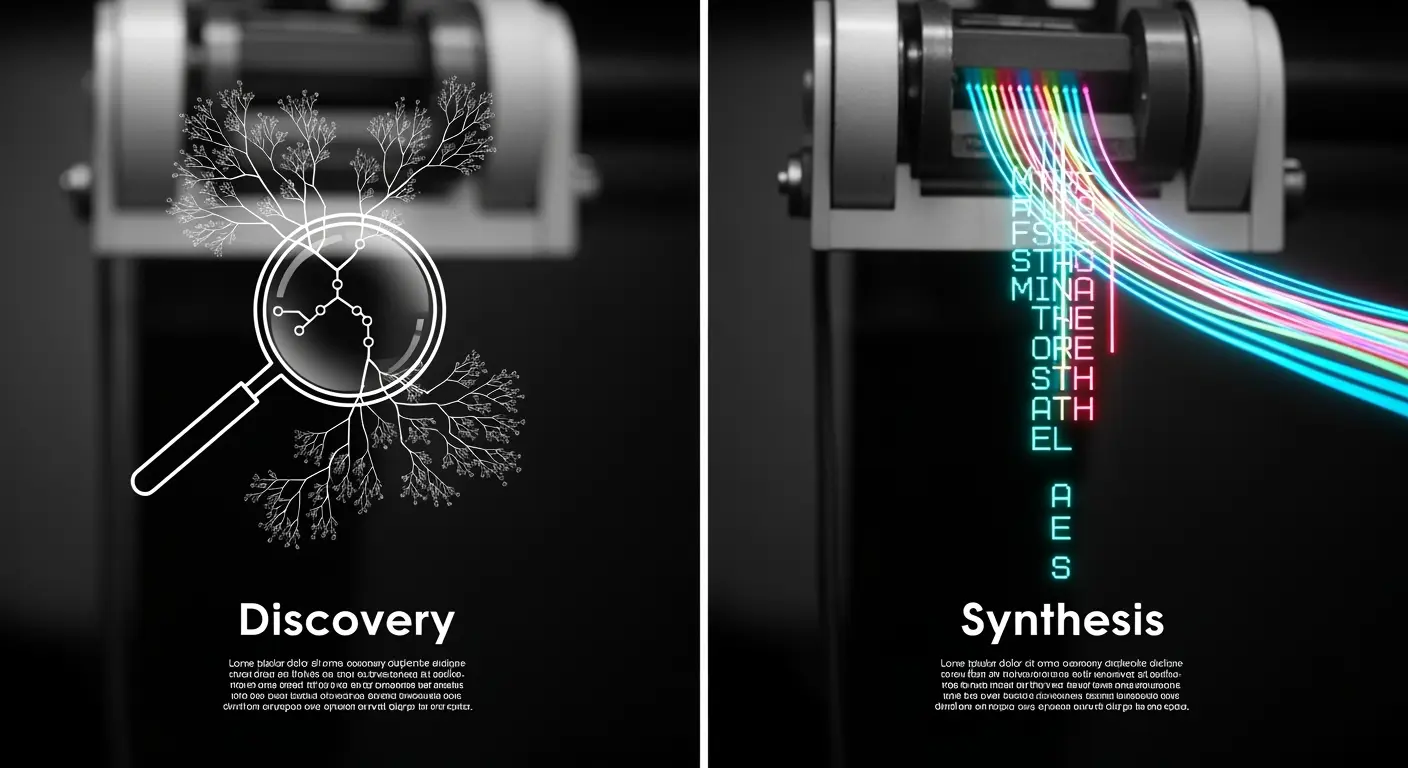
This independence is rooted in a fundamental difference in function.
- Google’s Link Engine: Google’s goal is discovery. Its algorithms are designed to rank the overall authority and relevance of a page, providing a list of trusted destinations for a user to explore.
- ChatGPT’s Answer Engine: ChatGPT’s goal is synthesis. It retrieves and processes information from multiple sources to construct a direct, consolidated answer.
Because it optimizes for factual extraction, ChatGPT’s algorithm values content differently. A page with low overall domain authority might be its top source if it contains a single, perfectly structured data table or a concise, citable definition that the AI can easily ingest for its response. This is further reinforced by the strategic necessity of the Microsoft-OpenAI alliance; a $13 billion partnership cannot be built on a critical dependency on its primary competitor.
The Evolution of Optimization: Advanced GEO Tactics

This new paradigm requires a more sophisticated approach than traditional SEO. The emerging discipline of Generative Engine Optimization (GEO) is not just about being found, but about being used as a source material for an AI’s answer. This requires moving beyond generic advice.
1. Optimize for Intent-Based Structuring
Different AI queries require different types of information. Content should be structured to serve these distinct needs.
- For Factual & “What Is” Queries: The goal is to be the definitive source for a snippet. This means structuring content for direct extraction. Use definition lists (<dl>), clear <h2> and <h3> headings that ask and answer a question (e.g., “## What is a RAG model?”), and self-contained paragraphs that can be lifted verbatim.
- For Experiential & “Best Of” Queries: AI models like Google’s AI Overviews often pull from user-generated content on platforms like Reddit to find authentic experiences. To compete, your content must signal this same authenticity. Use blockquotes to highlight key opinions, structure reviews with clear “Pro” and “Con” sections, and use first-person language that demonstrates hands-on experience, aligning with Google’s E-E-A-T (Experience, Expertise, Authoritativeness, Trustworthiness) principles.
2. Future-Proofing for Agentic Workflows
The next evolution of AI is not just answering questions but performing multi-step tasks. To prepare for this, content needs to be “agent-ready.”
- Make Data Machine-Readable: Go beyond simple tables. Use schema markup to define product attributes, pricing, and availability. For instructional content, structure steps with clear, numbered lists that an AI agent could parse and execute as a sequence of actions.
Provide “Tool-Ready” Content: If you have a tool or calculator, ensure its inputs and outputs are clearly defined. An AI agent of the future could interact with this tool directly to complete a user’s request (e.g., “calculate the mortgage on this property”).
The Future: A Bifurcated Content Ecosystem?

Looking ahead 3-5 years, this divergence between discovery and synthesis could reshape the web. We may see the rise of a bifurcated content ecosystem: one part optimized for human discovery and exploration via traditional search, and another part optimized for machine consumption and synthesis by AI agents.
Partner with our Digital Marketing Agency
Ask Engage Coders to create a comprehensive and inclusive digital marketing plan that takes your business to new heights.
Contact Us
The core challenge for creators and businesses will be navigating this new landscape. Success will no longer be measured solely by rankings and traffic, but by influence and citation within AI-generated answers. The data is clear: the paradigm is shifting. The strategies for adapting to it are just beginning to take shape.


