

How Search Engines Work: A Quick Guide for Beginners
Search engines assist users in locating webpages that match specific search terms, known as queries. Grasping how search engines operate can enhance your site’s accessibility. Ultimately driving more potential customers to your platform.
This guide details how search engines discover, store, and rank content, offering tips to boost visibility in search results.
Understanding How Search Engines Operate, Search engines deliver a list of relevant webpage results based on user search queries (the terms typed into the search bar).
They achieve this through a three-step process:
- Crawling: Downloading and discovering webpage content
- Indexing: Storing and analyzing that content in a database
- Ranking: Sorting results by their relevance to a user’s query
Each page must undergo these stages to appear on search engine results pages (SERPs).
Table of Contents
-
The Process of Search Engine Crawling
-
Visualizing a Crawler Discovering Links
-
Crawl Budget Explained
-
The Role of Sitemaps
-
How Search Engines Organize Web Content
-
Why Pages May Not Get Indexed
-
Steps to Get Indexed by Google
-
How Search Engines Decide What to Rank?
-
Why Search Results Vary Over Time
-
Delivering the Best Answers
-
Transform Your Understanding of Search Engines into Better Rankings
-
FAQ’s
The Process of Search Engine Crawling
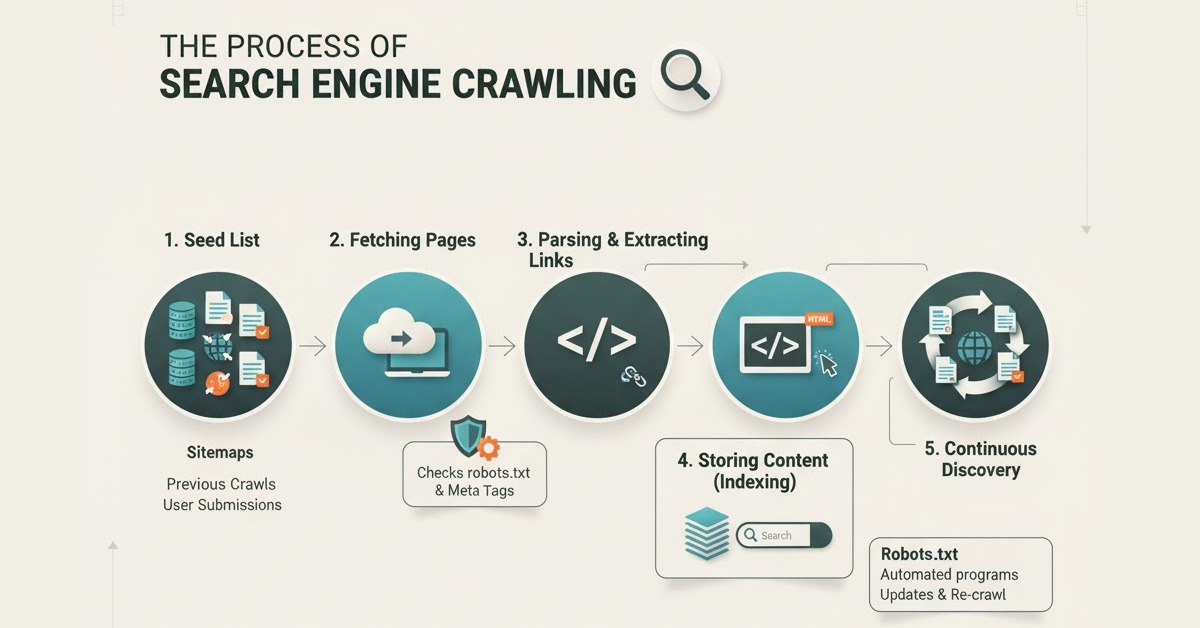
Search engines deploy web crawlers (also referred to as bots or spiders) to navigate links across the web and uncover new URLs.
Upon finding a new URL, the crawler downloads the page’s text, images, and other components.
It then follows links on the page to locate additional URLs.
Visualizing a Crawler Discovering Links

If your site depends significantly on JavaScript, Googlebot performs extra rendering steps to ensure all content is visible.
Certain scenarios hinder effective crawling. For instance, website owners can use meta robots tags to restrict crawlers like Googlebot.
Server errors may also block crawlers from accessing content.
Crawl Budget Explained
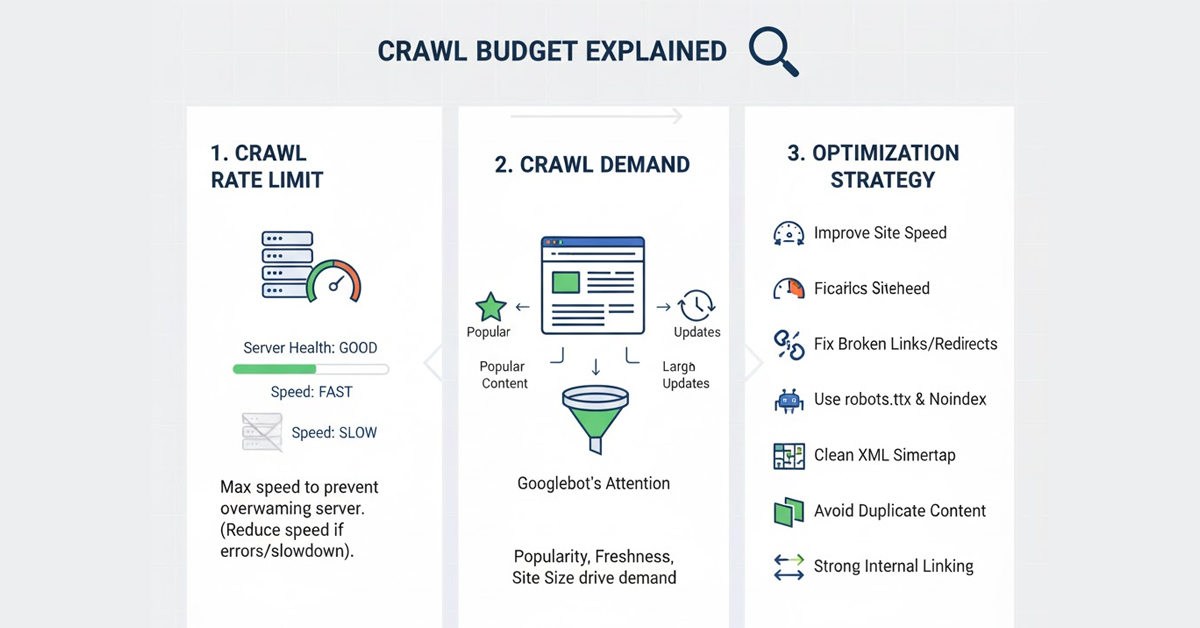
Crawl budget refers to the time a search engine’s crawler allocates within a specific timeframe.
Two key factors affect crawl budget:
- Crawl demand: The popularity and freshness of a site’s content
- Crawl capacity: The speed at which a site responds to crawler requests. Larger websites with numerous pages may experience slower crawling, while smaller sites typically have sufficient crawl budget for all pages.
The Role of Sitemaps
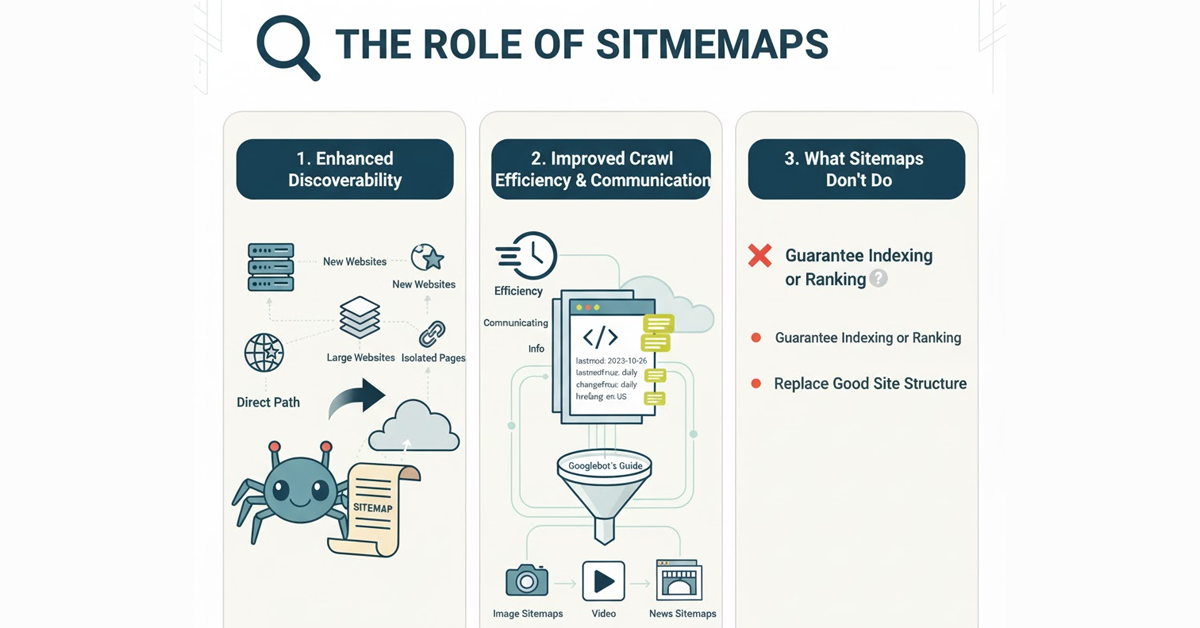
A sitemap is a file that lists essential pages on a website, guiding search engine bots to critical content.
Below is an example of Backlinko’s XML sitemap:
Including key pages in a sitemap can help search engines index them more quickly.
How Search Engines Organize Web Content
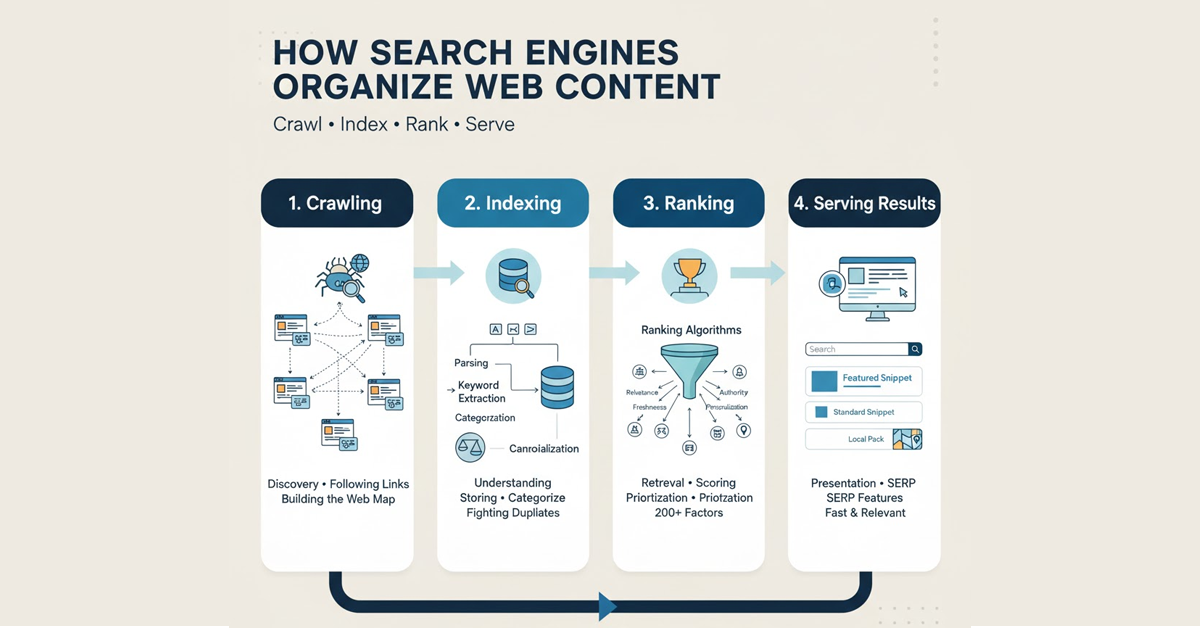
After search engine crawling, search engines analyze pages to determine their topics. They store processed data in a vast database known as the index.
All search engines follow a similar indexing process.
They record details such as keywords, metadata, and page quality signals.
Technical factors like Google’s Core Web Vitals and country-specific associations are also noted.
Why Pages May Not Get Indexed
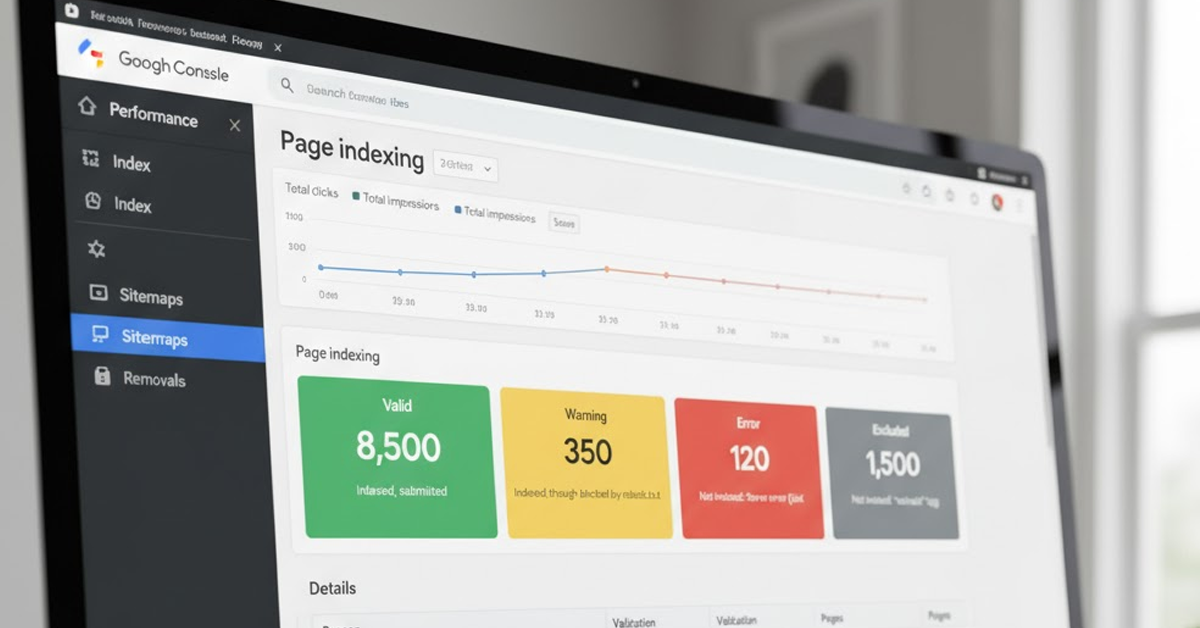
Not every crawled page gets indexed because search engines aim to display only high-quality results to users.
A page might fail to be indexed if:
- It is low-quality or violates Google’s content policies
- It returns an HTTP status code error (4xx or 5xx)
- Its design creates issues for successful indexing
- The site owner has requested it not be indexed (via a noindex tag)
Other reasons may also prevent indexing. Since indexing isn’t guaranteed, ensure your pages align with Google’s search quality standards to improve your chances.
Steps to Get Indexed by Google

To get your site indexed by Google, you have two options:
- Wait for Googlebot to discover your pages organically
- Submit your site for indexing via your Google Search Console account
- Both methods can take days or even weeks.
How Search Engines Decide What to Rank?
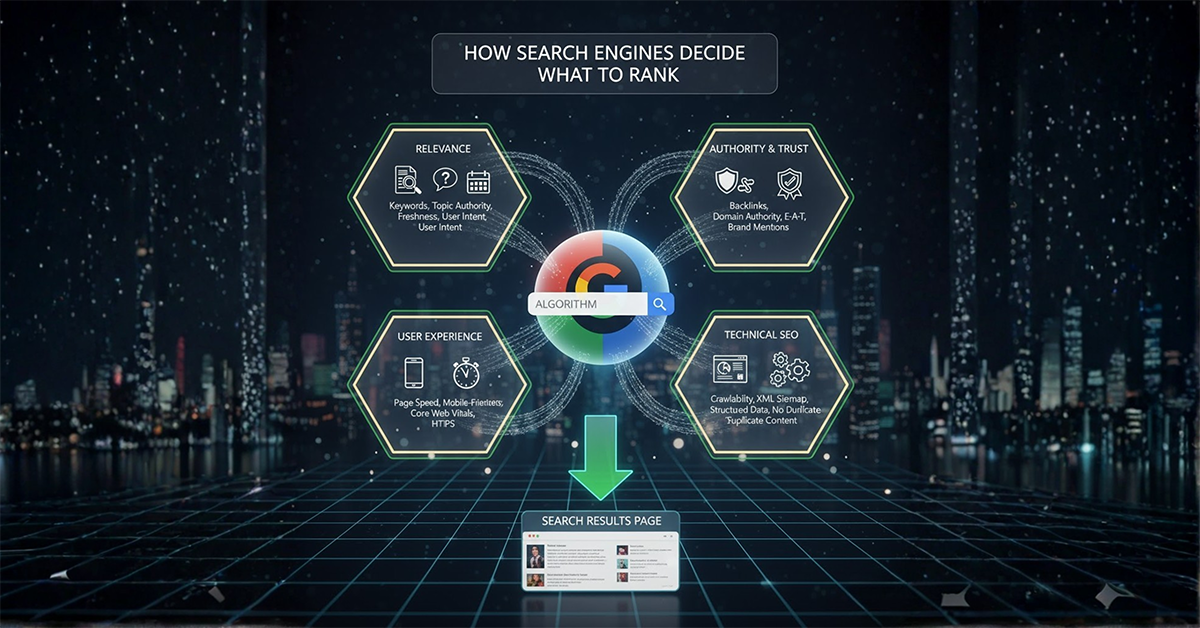
Search engine ranking determines the order of results displayed for a search query. Each search engine employs proprietary algorithms and updates them regularly. While many SEO ranking factors influence search results, some carry more weight than others.
Google prioritizes the following factors:
- Keywords: Terms representing the page’s main topic
- Search intent: The user’s goal (e.g., answering a question, finding a product, etc.)
- Location: The searcher’s geographic area
- User history: Past searches and visited pages
Other elements like backlinks for SEO, page load times, content quality, and certain meta tags also play a role in ranking.
Why Search Results Vary Over Time
Search engines aim to provide users with the most precise and current information, which can lead to shifts in search result rankings.
For instance, results for “best restaurants near me” change as you relocate, new eateries open nearby, or customer reviews are updated.
Additionally, updates to ranking algorithms can significantly alter the order of search results.
When Google adjusts its algorithms, it often provides guidance to site owners through its Search Central Blog.
Delivering the Best Answers
Search engines go beyond simple links by showcasing special SERP features to enhance user experience and deliver quick answers.
For example, someone searching for “sugar cookies” might seek recipes, nutritional details, or ingredient lists. Google provides diverse results to address all these potential intents.
However, a query like “buy sugar cookies” indicates transactional intent.
In such cases, Google highlights product results to help users easily find relevant purchasing information. SERP features improve the overall search experience for users.
Common types include:
- Popular Products: Listings with key details like price, reviews, and shipping options
- Organization: A knowledge panel featuring business information such as founders, history, and social media profiles
- Local Business: A knowledge panel displaying essential details like address, phone number, and operating hours
- FAQs: A collection of questions and answers related to the topic
Paid search results may also appear at the top of the search results pages (SERPs). To qualify, websites must create Google Ads campaigns and bid on specific keywords.
AI Overviews, featured snippets, and People Also Ask boxes frequently appear for informational queries. These elements deliver instant answers and can boost visibility for pages that secure these placements.
Partner with our Digital Marketing Agency
Ask Engage Coders to create a comprehensive and inclusive digital marketing plan that takes your business to new heights.
Contact Us
Transform Your Understanding of Search Engines into Better Rankings
While many factors influence rankings, grasping how search engines work is a vital first step toward helping your content rank higher for the keywords most important to your audience.
Equipped with this knowledge, you can enhance your site’s visibility and connect with the right audience.
The next crucial step?
Ensuring your website’s technical foundation supports efficient search engine crawling, indexing, and ranking of your content.
FAQs:
A search engine like Google or Bing finds information online by crawling web pages, indexing their content, and ranking the most relevant pages for your query.
Search engines find pages by following links. They use automated programs called “crawlers” or “spiders” to move from one page to another, discovering new content along the way.
The three steps are Crawling (discovering pages), Indexing (storing and organizing content), and Ranking (sorting results by relevance).
Crawling is the process by which automated bots (crawlers) browse the web by following links to find new or updated content.
Indexing is the organizing process. After crawling, a search engine analyzes and stores information from pages in a massive database called an index.
Ranking is the sorting process. When you search, the engine’s algorithm orders the indexed pages based on factors like relevance and quality to give you the best results first.
Crawlers are automated bots that start with a list of known URLs. They visit these pages, read the content, and follow the links on them to find new pages to visit next.
Indexing is essential because if a page isn’t in the search engine’s index, it cannot appear in search results. No index means no visibility.
Key ranking factors include relevance, backlinks (authority), user experience, content quality, and how fresh the content is.
Use SEO strategies: research keywords, create high-quality content, optimize on-page elements, improve technical SEO, and earn backlinks from reputable sites.


