
What is Link Velocity? How it Impacts SEO and Rankings
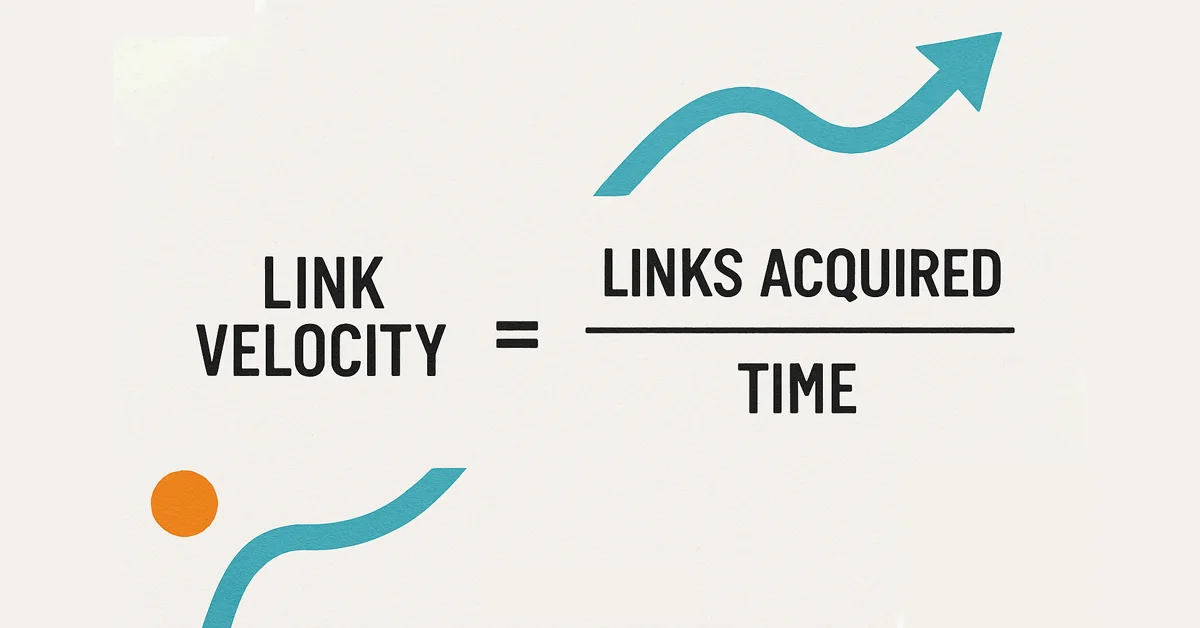
Link velocity—a term you might have heard tossed around in SEO conversations—is more than just a technical phrase. At its core, link velocity SEO refers to how quickly (or slowly) a website gains or loses backlinks over time. Think of it as the heartbeat of your link-building strategy.
Whether you’re a small blog or an enterprise site, your backlink acquisition rate tells search engines a lot. Is your site gaining popularity naturally? Or are there unnatural link patterns that raise red flags?
Let’s dive into why understanding link velocity is essential—and how to build it the right way to stay on Google’s good side.
Table of Contents
- Why Link Velocity Matters in SEO
-
Good vs. Bad Link Velocity
- How to Measure and Analyze Link Velocity
- What a Healthy Link Velocity Curve Looks Like
- Link Velocity Red Flags: What Can Go Wrong
- Common Causes of Unnatural Link Velocity
- Case Study: When Link Velocity Went Wrong
- How to Build Healthy Link Velocity
- Faster Link Velocity Is Fine—If You’re Established
- Want to Build a Sustainable Link Velocity?
- FAQs
Why Link Velocity Matters in SEO
In the eyes of search engines like Google, backlinks signal trust, authority, and relevance. But it’s not just about how many backlinks you have—it’s about how you got them and how fast.
A consistent, gradual pace of natural backlink growth rate in SEO reflects a healthy, trustworthy website. Meanwhile, sudden spikes in links—especially from unrelated or spammy domains—can indicate manipulation.
That’s why link velocity SEO is a critical ranking factor. It helps Google determine if your site is gaining attention organically or using shortcuts.
Good vs. Bad Link Velocity
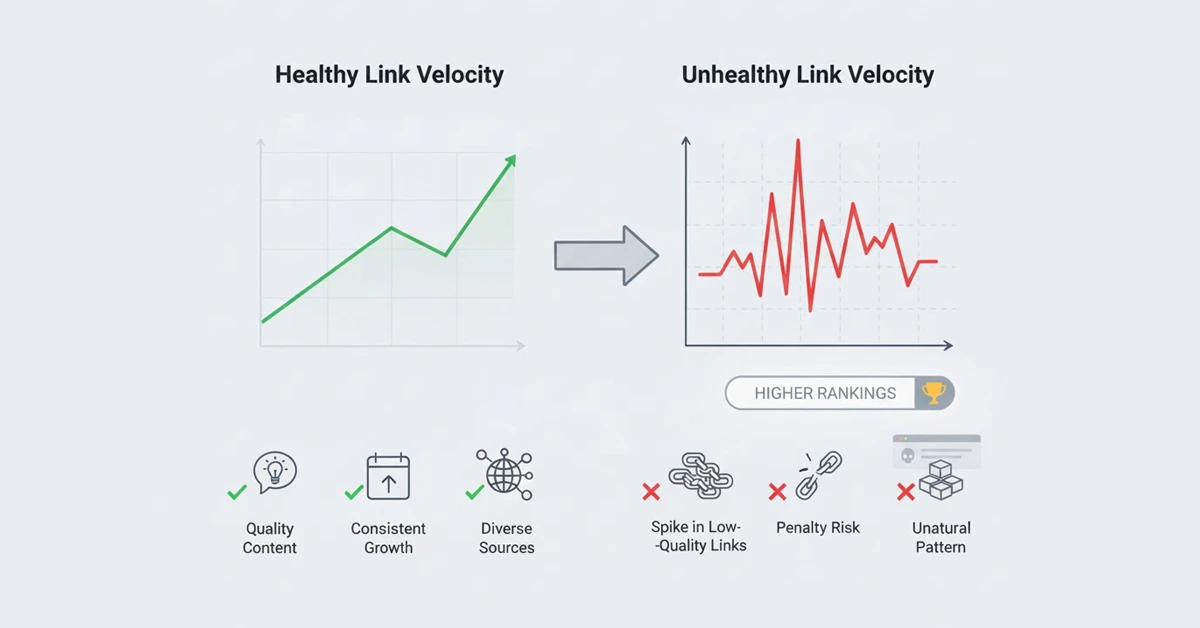
Just like good and bad cholesterol, there’s such a thing as good and bad link velocity.
Good Link Velocity
- Steady backlink acquisition rate over time
- Links from diverse, industry-relevant domains
- A mix of anchor texts (branded, generic, partial match)
- Evidence of natural backlink growth through high-quality content and engagement
This kind of link building aligns with healthy link building strategies that Google trusts.
Bad Link Velocity
- Sudden influx of hundreds of backlinks in a few days
- Many links from low-quality or irrelevant sites
- Repetitive, keyword-stuffed anchor texts
- Clear signs of unnatural link patterns
If your backlink profile shows these red flags, you might need to re-evaluate how you’re building links.
How to Measure and Analyze Link Velocity
Tracking your link velocity SEO progress isn’t hard if you use the right tools. Platforms like Semrush, Ahrefs, and Google Search Console help monitor:
- Referring domains over time (your unique link sources)
- New vs. lost links (to detect sudden changes)
- Anchor text variation (to avoid over-optimization)
- Link type distribution (e.g., dofollow, nofollow)
This data gives you a full picture of your backlink acquisition rate—and whether you’re trending in a healthy or harmful direction.
What a Healthy Link Velocity Curve Looks Like
There’s no universal “perfect” number of backlinks per month. It depends on your industry, domain age, and authority.
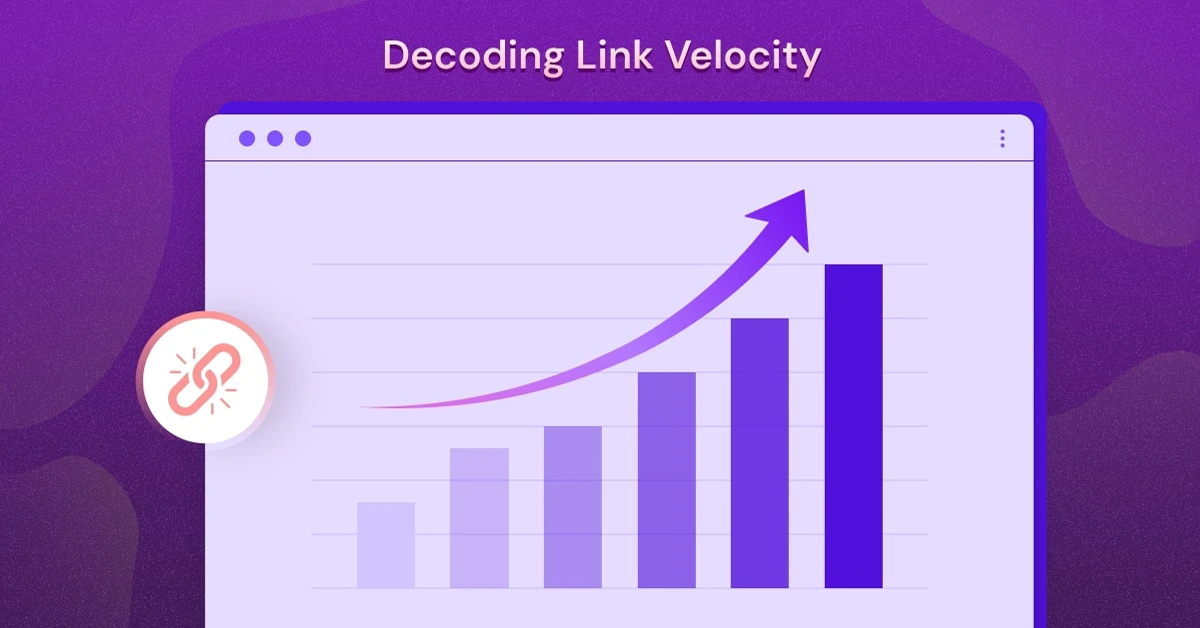
But in general, healthy link building strategies show a gradual rise in backlinks—slow and steady wins the race.
Imagine publishing a helpful blog on pet nutrition. Over the next few weeks, it gets picked up by pet bloggers, shared in niche forums, and included in roundups. That’s what natural backlink growth looks like—consistent, relevant, and believable.
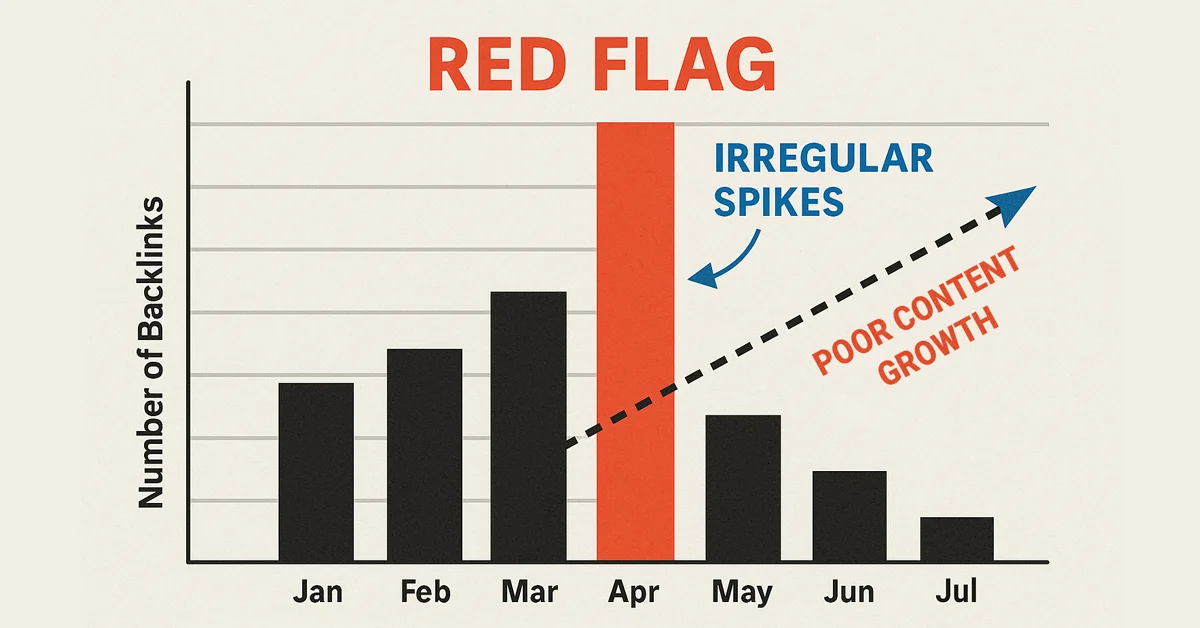
On the other hand, if that same blog suddenly gets 400 backlinks in one day from unrelated sites? That’s a classic example of unnatural link patterns—and a signal to proceed with caution.
Link Velocity Red Flags: What Can Go Wrong
Even if your intentions are pure, poor execution can still land you in trouble. Here are common red flags Google watches for:
- Sudden spikes in backlinks from irrelevant domains
- Overuse of keyword-rich anchor texts
- A rapid drop in link numbers (suggesting lost trust or broken pages)
- Backlinks from known PBNs or link farms
When your backlink acquisition rate shifts drastically without a clear, organic reason, it may look like manipulation—and that’s when Google penalties come knocking.
Common Causes of Unnatural Link Velocity
So, what leads to unnatural link patterns?
- Buying bulk backlinks from low-quality networks
- Viral PR that earns links from irrelevant sources
- Automated link-building tools that prioritize speed over quality
- Negative SEO (yes, competitors sometimes launch spammy links toward your site)
All these break the rhythm of organic vs artificial link velocity and damage your credibility.
To stay safe, steer clear of shortcuts. Quick wins might feel good in the moment, but they rarely last.
Case Study: When Link Velocity Went Wrong
A well-known example is Interflora, a major UK flower delivery brand. In 2013, they were penalized and removed from Google’s search results after engaging in aggressive paid link tactics.
Their story is a cautionary tale: even big names can fall if they ignore healthy link building strategies and rely on fast, inorganic growth. It took a complete link audit, disavowal of bad links, and a reconsideration request to regain visibility.
How to Build Healthy Link Velocity
The key to mastering link velocity SEO is building backlinks naturally, with relevance and quality in mind.
Here’s how:
- Create link-worthy content: Original research, guides, and tools attract natural backlinks.
- Engage in digital PR: Pitch your content to journalists, respond to HARO queries, and build media relationships.
- Contribute to expert roundups: Get your quotes and insights featured on industry blogs.
- Monitor internal links: Boost authority by linking new content to relevant pages across your site.
- Use AI responsibly: Let AI assist with structure and ideation, but always inject your voice and expertise.
These actions ensure you’re aligned with healthy link building strategies, keeping your growth sustainable and your brand safe.
Faster Link Velocity Is Fine—If You’re Established
Established domains with years of authority can handle faster link growth. Why? Because they already have a long backlink history, clear topical relevance, and strong brand presence.
If you’re a newer site, though, aggressive link building can backfire. That’s why understanding the artificial vs natural link velocity balance is essential—especially early on.
Build slowly, build smartly, and you’ll build to last.
Want to Build a Sustainable Link Velocity?
Don’t chase fast results. Instead, focus on steady, quality-driven growth.
Partner with our Digital Marketing Agency
Ask Engage Coders to create a comprehensive and inclusive digital marketing plan that takes your business to new heights.
Contact Us
Use tools like Semrush or Google Search Console to track your link velocity SEO and ensure you’re maintaining a healthy backlink acquisition rate. Watch for dips, spikes, or suspicious patterns. And most of all, prioritize relevance and trust over tactics.
Because when it comes to SEO, natural backlink growth is your most reliable ally—and the best way to avoid Google penalties for the long haul.
FAQs
A natural link velocity is a slow, steady, and consistent growth of backlinks over time rather than sudden spikes.
Yes, losing backlinks can reduce link velocity and weaken your site’s authority, which may negatively impact rankings.
There is no fixed number; it depends on your niche and competition. Consistent, high-quality backlink growth matters more than volume.
Yes, new websites typically grow backlinks gradually, while established sites can sustain faster growth due to higher authority.
They analyze sudden spikes or drops in backlinks, link quality, and source consistency to identify unnatural patterns.
No, it is not an official ranking factor, but unnatural backlink patterns can still impact SEO performance.
Yes, as long as the backlinks are organic and from relevant, credible sources, such spikes are considered natural.
Focus on consistent link-building through valuable content, outreach, and natural backlink acquisition.
Tools like Ahrefs, SEMrush, and Google Search Console help track backlink growth and link velocity trends.
Link velocity reflects the consistency of your link-building efforts and indicates whether your strategy appears natural and sustainable.


