

YouTube Ad Placements Explained: In-Stream, Shorts, and In-Feed
YouTube’s vast video universe offers advertisers a diverse playground, yet understanding where your ads actually appear can feel like navigating a maze. The nuances of YouTube video ad placements are critical to grasp if you want to truly optimize your campaigns and avoid wasting precious ad spend.
From the classic pre-roll experience to the ever-growing Shorts feed and discovery-centric placements, each format carries distinct dynamics that can dramatically influence your results. In this blog, we’ll unravel the three main types of YouTube video ad placements, delve into how to measure their success, and consider the nuances of advanced options like Masthead ads and video partners.
Table of Contents
What Are the 3 Main Types of YouTube Video Ad Placements?
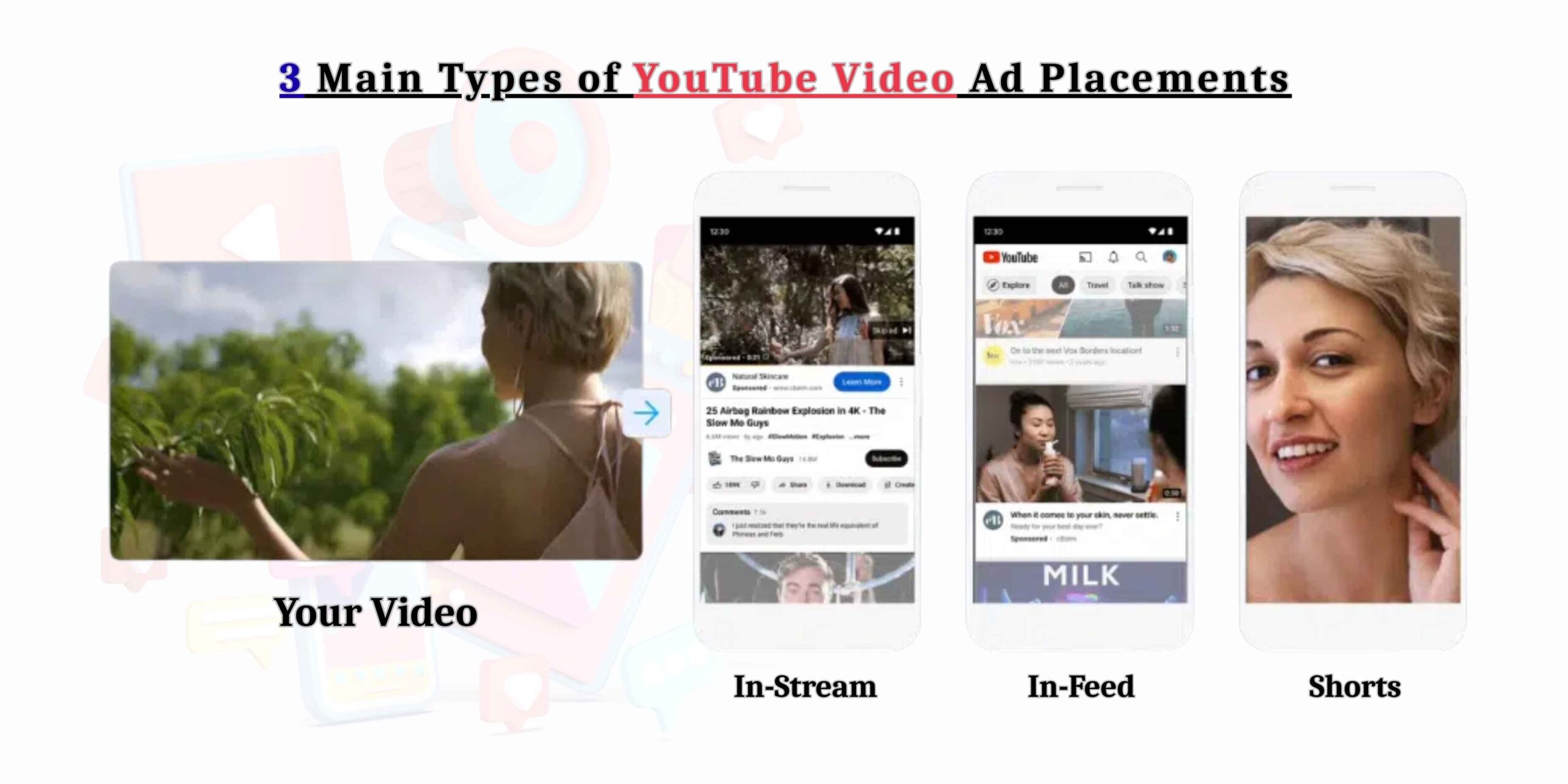
When you embark on a campaign within Google Ads, particularly under Demand Gen or Video campaigns, you’ll generally encounter three primary YouTube video ad placements. These include in-stream ads YouTube, Shorts ads on YouTube, and in-feed video ads. Each offers unique user experiences and billing models, influencing how you might allocate your budget and craft creative.
In-Stream Ads
Most people visualize YouTube ads as the short videos that play before the content they want to watch. These are the quintessential in-stream ads YouTube placements. They run directly inside the video stream, typically as pre-rolls, but can also appear mid-roll or post-roll in longer content.
There are two common variants: skippable in-stream ads, where viewers can skip after six seconds, and non-skippable in-stream ads, usually capped at 15 to 30 seconds. For skippable ads, advertisers are charged only if viewers watch at least 30 seconds or the full ad if it’s shorter. This model encourages engaging content, as you only pay when viewers choose to watch. Conversely, non-skippable ads charge per impression, regardless of viewer interaction.
An important subtlety here is how remarketing works: only users who voluntarily watch a skippable in-stream ad without skipping can be targeted for future remarketing efforts. Non-skippable viewers don’t contribute to remarketing lists, which may impact your long-term campaign tactics.
Shorts Ads
The rise of short-form content has reshaped video consumption habits, and YouTube’s Shorts feed is at the heart of this transformation. Shorts ads on YouTube are vertical video ads that seamlessly blend into the Shorts feed—a stream designed for quick, mobile-first engagement.
Billing for Shorts ads happens when a user watches at least 10 seconds or the entire ad, whichever comes first. This lower threshold reflects the bite-sized nature of Shorts content, which is generally shorter than traditional videos. Interestingly, Shorts consumption has grown not only on mobile but also on connected TV devices, highlighting the versatility of this format.
For advertisers, Shorts ads offer a rapid-fire engagement opportunity, perfect for brand awareness or quick calls to action, fitting neatly into evolving YouTube advertising strategies aimed at younger, mobile-centric audiences.
In-Feed Ads
Perhaps the most enigmatic among the trio, in-feed video ads represent a discovery-driven approach. Unlike in-stream or Shorts ads that play automatically, in-feed ads require a user’s deliberate click on a video thumbnail.
These ads can appear in multiple locations: the YouTube homepage, search results, or the “Up Next” video suggestions. They might be static images or videos with thumbnails, and you’re charged only when a user clicks to watch the video, reflecting a high level of user intent.
Because an active click signals clear interest, in-feed video ads can be powerful tools for driving deeper engagement, albeit with generally lower overall click-through rates. Understanding their role is crucial for any advertiser weaving YouTube advertising strategies that balance reach with meaningful interaction.
How to Measure Success
Metrics are the compass guiding your YouTube campaigns, yet not all metrics carry the same meaning across different YouTube video ad placements. YouTube ad performance metrics vary by format, and understanding these distinctions is key to interpreting your data correctly.
1. In-Stream Ads
For in-stream ads on YouTube, a primary metric is the view-through rate (VTR), which tracks how often viewers watch your ad to completion or for at least 30 seconds. A healthy benchmark here falls roughly between 30% and 40%. This measure offers insight into how compelling your creative is and whether viewers are choosing to stick around beyond the mandatory initial seconds.
2. Shorts Ads
The fast-paced nature of Shorts ads on YouTube means your target VTR is generally lower—about 5% to 10%. Because the watch-time requirement is only 10 seconds, even modest engagement can translate into meaningful awareness, especially given Shorts’ viral potential and expanding audience on both mobile and TV.
3. In-Feed Ads
Since in-feed video ads require a user to actively click to watch, the expected view rate is naturally lower, typically around 1% to 3%. This metric highlights that when a viewer does engage, they are intentionally seeking out your content, which can lead to higher-quality leads or conversions.
In all cases, supplementing VTR with other key YouTube ad performance metrics such as click-through rates, cost per view, and engagement can give a fuller picture of your campaign’s health.
How to Choose Your Video Ad Placements
When setting up campaigns, many advertisers have the option to select specific placements—deciding whether their ads run as in-stream ads YouTube, Shorts ads on YouTube, or in-feed video ads. Some campaign types, like Demand Gen, offer flexible controls, whereas others might limit placement selection.
A practical approach is to start broad, enabling all placement types. This casts a wide net and allows data to inform which placements deliver the best return on investment. After gathering sufficient performance insights, narrowing your focus to the highest-performing placements sharpens efficiency and drives stronger results.
Remember, image ads can also serve in in-feed video ads placements, particularly within Demand Gen campaigns, making it worthwhile to analyze performance at the individual ad level.
What Is a Masthead Placement?
Beyond the three core placements, there exists a premium option known as YouTube Masthead ads. This high-visibility format essentially commandeers the entire YouTube homepage for a specified time, providing unparalleled reach.
However, this exclusivity comes with a steep price tag and requires direct coordination with a Google sales representative. While few advertisers incorporate Masthead placements into everyday campaigns, understanding this option expands the palette of possible YouTube advertising strategies for brands with substantial budgets seeking splashy awareness bursts.
What Are Video Partners?
An often-overlooked setting is the inclusion of Video partners in Google Ads—websites and apps outside of YouTube where your video ads may appear, sometimes called “outstream” placements.
Generally, many marketers find that turning off Video partners yields better traffic quality and engagement by concentrating budget on YouTube’s primary inventory. Yet, this depends on campaign goals and budgets. Testing both settings can clarify whether Video partners enhance or dilute your campaign effectiveness.
Partner with our Digital Marketing Agency
Ask Engage Coders to create a comprehensive and inclusive digital marketing plan that takes your business to new heights.
Contact Us
Conclusion
Mastering the labyrinth of YouTube video ad placements is pivotal for crafting campaigns that resonate and convert. From the familiar pre-roll of in-stream ads YouTube, through the dynamic bite-sized world of Shorts ads on YouTube, to the intentional engagement of in-feed video ads, each placement type holds unique potential.
Carefully monitoring YouTube ad performance metrics helps decode which placements excel and informs iterative refinements. Add to that a nuanced understanding of options like YouTube Masthead ads and Video partners in Google Ads, and you have a comprehensive toolkit to elevate your YouTube advertising strategies.
FAQs
The three main video ad formats are In-Stream (pre-roll/mid-roll), Shorts, and In-Feed discovery. Selecting the right mix of these digital ad placements is essential for campaign success.
In-stream ads play automatically before or during content, while in-feed ads appear as clickable thumbnails in search results. Both are managed directly through Google Ads video campaigns.
Yes, short-form video ads are highly effective for engaging mobile-first audiences. They allow for rapid storytelling and are becoming a cornerstone of any modern YouTube advertising strategy.
Costs vary by competition and targeting, but Cost Per View (CPV) is a vital YouTube ad metric. You typically only pay when a user watches 30 seconds (or the full ad) or clicks.
It depends on your goal; In-Stream is superior for brand awareness, while In-Feed drives high-intent clicks. A robust YouTube advertising strategy tests multiple video ad formats to find the winner.
Yes, you can opt out of video partners in Google Ads video settings. This ensures your digital ad placements appear strictly on YouTube, often resulting in higher engagement quality.
The Masthead is a premium video ad format that takes over the top of the YouTube homepage for 24 hours. It offers a massive reach but requires a significant budget reservation.
Skippable ads allow viewers to skip after 5 seconds. You are only charged if the viewer watches beyond 30 seconds or engages with the ad, making it a cost-efficient video ad format.
In-feed video ads appear in discovery-focused placements such as the YouTube homepage, search results, and “Up Next” lists, relying on a user click to start playing.
Continuously monitor YouTube ad metrics like View-Through Rate (VTR) and conversions. Shift your budget toward the video ad formats and placements that deliver the highest ROI for your goals.


