

Multi-Agent AI Systems: Revolutionizing Digital Marketing for Growth
In today’s fast-paced digital landscape, businesses—whether startups, enterprises, or e-commerce brands—face the challenge of standing out online. Achieving measurable growth requires innovative strategies that combine creativity, data insights, and efficiency. Multi-agent AI systems are emerging as a powerful solution, enabling marketing teams to streamline operations, enhance collaboration, and deliver results with precision. These systems, built on networks of specialized AI agents working together, are transforming how businesses approach digital marketing.
This blog explores the role of multi-agent AI systems in marketing, their benefits, challenges, and practical steps for implementation. Designed for startups scaling online, enterprises seeking comprehensive solutions, and e-commerce brands aiming for high-performance stores, this guide provides actionable insights to unlock digital potential.
Table of Contents
Understanding Multi-Agent AI Systems
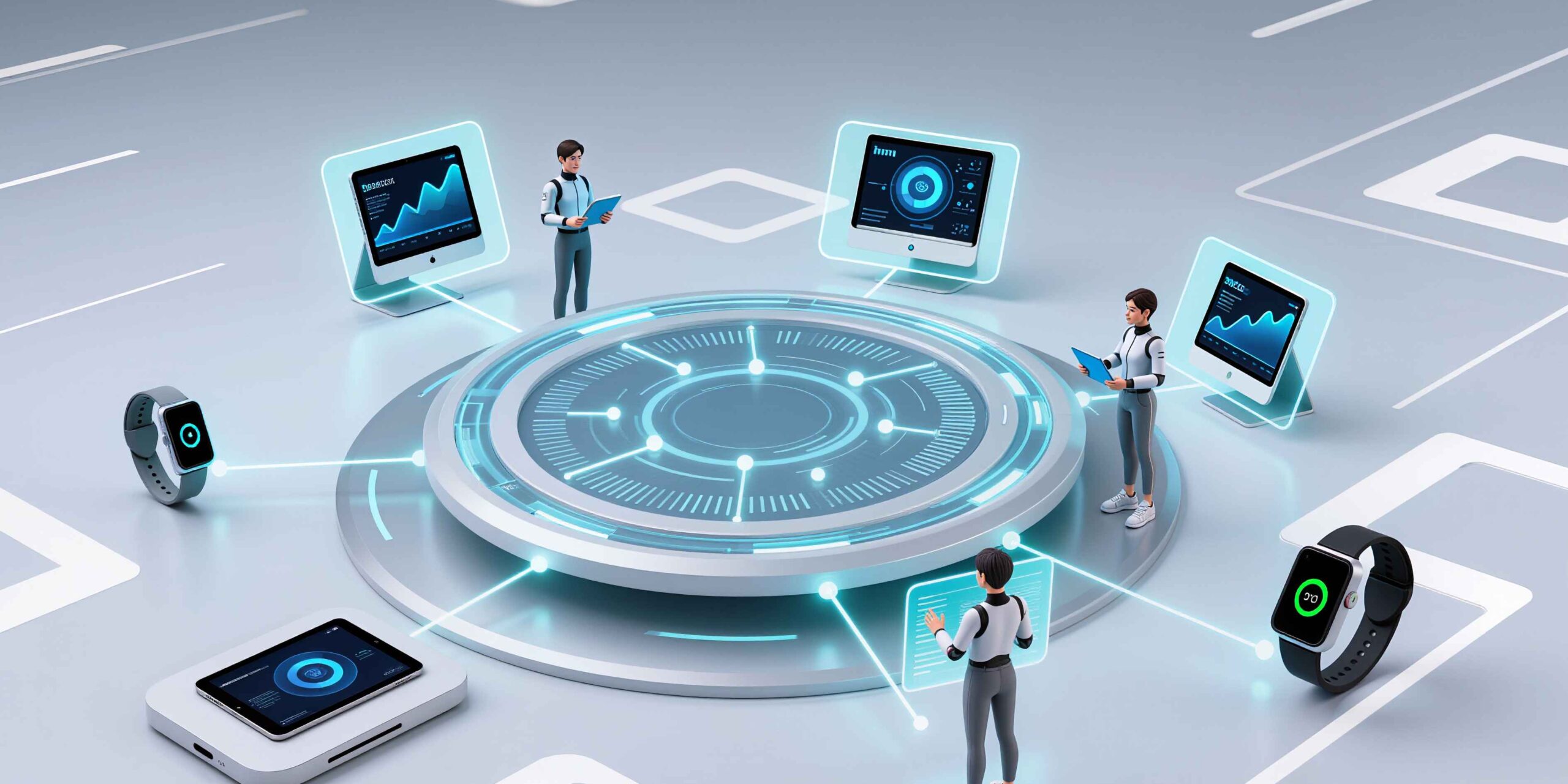
A multi-agent AI system (MAS) is a network of autonomous AI agents, each tasked with a specific role, collaborating to achieve complex goals. Unlike single AI agents that focus on isolated tasks like generating content or analyzing data, MAS emphasize AI agents collaboration, mimicking the dynamics of a human marketing team. These systems are ideal for businesses looking to optimize their marketing efforts through coordinated, data-driven strategies.
How Multi-Agent AI Systems Work
In a MAS, each AI agent handles a distinct function but communicates with others to align on shared objectives. For example, a marketing MAS might include:
- Strategy Agent: Analyzes audience data and market trends to develop campaign ideas.
- Content Agent: Creates engaging copy, visuals, or videos tailored to campaign goals.
- Performance Agent: Monitors campaign metrics and suggests real-time optimizations.
These agents operate within a shared environment, exchanging insights to refine strategies dynamically. This cross-functional collaboration ensures campaigns are cohesive and responsive to changing market conditions.
Multi-Agent Systems vs. Single AI Agents
Single AI agents excel at specific tasks, such as AI content creation or AI data analysis. However, they lack the ability to coordinate across multiple functions. Multi-agent systems, by contrast, focus on orchestration, enabling marketing team efficiency. through interconnected workflows. For instance, while a single AI agent might draft a social media post, a MAS can plan, create, test, and monitor an entire campaign, making it a more robust solution for complex marketing needs.
Benefits of Multi-Agent AI Systems in Marketing
Multi-agent AI systems offer transformative advantages for businesses aiming to scale their digital presence. By leveraging marketing AI tools, these systems drive efficiency, adaptability, and measurable outcomes.
Enhanced Cross-Functional Collaboration
MAS enable seamless collaboration among AI agents, breaking down silos that often hinder human teams. Each agent contributes specialized expertise—strategy, content, or performance—while sharing data to inform decisions. This cross-functional collaboration mirrors high-performing marketing teams, boosting efficiency by up to 30%, according to industry research. For startups and e-commerce brands, this means faster campaign execution and improved ROI.
Real-Time Adaptability and Learning
One of the standout features of MAS is their ability to learn and adjust in real time. Agents share knowledge, enabling the system to adapt to shifts in customer behavior or market trends without human intervention. For example, an AI performance agent might detect underperforming ads and signal the AI content agent to revise messaging, optimizing campaigns on the fly. This AI campaign monitoring capability ensures businesses stay agile and competitive.
Continuous Optimization for ROI
MAS excel at optimizing campaigns in real time, adjusting variables like ad bids, targeting, or content based on performance data. This AI-driven campaigns approach maximizes ROI by ensuring resources are allocated effectively. For enterprises, this means scaling complex campaigns efficiently, while small businesses benefit from cost-effective strategies tailored to their budgets.
Improved Customer Engagement
With agents dedicated to tasks like social media AI and customer support AI, MAS enhance customer interactions. For instance, a social media agent can monitor platforms for brand mentions, enabling real-time social conversion by responding promptly to user queries. This responsiveness builds trust and drives engagement, critical for e-commerce brands seeking to convert visitors into loyal customers.
Challenges of Implementing Multi-Agent AI Systems
While MAS offer significant benefits, their implementation comes with challenges that businesses must address to ensure success. Understanding these hurdles is key to building effective systems.
Data Quality and Accessibility
Data quality AI is the foundation of any MAS. Poorly governed or inaccessible data can lead to flawed insights, undermining campaign performance. Businesses must prioritize clean, standardized data and centralized repositories to enable agents to process information accurately. Regular data audits and governance protocols are essential to maintain data quality AI.
System Complexity and Error Propagation
The interconnected nature of MAS introduces complexity, where errors in one agent can ripple across the system. Known as “garbage in, garbage out,” this issue requires robust monitoring to identify and correct issues early. Human oversight is critical, especially during initial deployment, to ensure agents operate as intended and deliver reliable results.
Organizational Change Management
Adopting MAS requires cultural and operational shifts, often met with resistance from teams unfamiliar with AI. Organizational change management is vital to foster AI literacy and reduce fear. Training programs and transparent communication can help employees embrace agentic AI marketing as a tool to enhance, not replace, their roles.
How to Implement Multi-Agent AI Systems
Implementing a MAS for marketing requires careful planning and execution. By following a structured approach, businesses can build systems that align with their goals and deliver measurable growth.
Step 1: Define Goals and Agent Roles
Start by identifying a specific marketing objective, such as launching a new campaign or improving social media engagement. Then, assign roles to AI agents based on this goal. A simple three-agent system might include:
- Strategy Agent: Conducts market research and identifies SEO opportunities AI.
- Content Agent: Produces tailored content for emails, blogs, or social posts.
- Performance Agent: Tracks KPIs and optimizes campaign elements.
Keeping the system lean minimizes complexity while maximizing impact.
Step 2: Select the Right AI Tools
Choose AI tools that align with each agent’s role. For example, HubSpot’s Breeze AI offers specialized agents for content, social media, and prospecting, making it a versatile choice for MAS. Ensure tools support integration to enable seamless AI agents collaboration.
Step 3: Build a Shared Data Workspace
Create a centralized data repository using tools like Google Sheets, Airtable, or Notion to ensure agents access high-quality, consistent data. Proper indexing and organization are crucial to avoid confusion and support AI data analysis.
Step 4: Connect Agents with Automation
Use automation platforms like Zapier or Make.com to connect agents, enabling automated workflows. For instance, a performance agent’s insights can trigger content updates by the content agent, streamlining operations and enhancing marketing team efficiency.
Step 5: Integrate Human Oversight
Maintain human involvement to validate outputs, especially during campaign launches. Regular reviews ensure agents align with brand goals and mitigate risks, fostering trust in AI-driven campaigns.
Best Practices for Multi-Agent AI Systems

To maximize the effectiveness of MAS, businesses should adopt best practices that align with search engine priorities and user expectations.
Prioritize People-First Content
Content generated by MAS must be original, valuable, and aligned with user intent. Demonstrate expertise, experience, authoritativeness, and trustworthiness (E-E-A-T) by citing credible sources and ensuring accuracy. Transparency about AI use, such as through author bylines, builds trust with readers.
Optimize for Search Intent
Structure content to match what users seek when searching for terms like “marketing AI tools” or “AI campaign monitoring.” Use clear headings, concise paragraphs, and lists to enhance readability and scannability, improving SEO performance.
Incorporate Multimedia
Enhance engagement with high-quality images and videos, optimized with descriptive alt text and titles. Multimedia breaks up text, making content more digestible and supporting AI content creation efforts.
Ensure Technical SEO
Optimize your website for MAS-driven content by ensuring mobile-friendliness, fast loading speeds, and logical site structure. Use descriptive URLs, internal linking, and structured data (e.g., Article schema) to boost visibility and support SEO opportunities AI.
Avoid Manipulative Practices
Steer clear of keyword stuffing, duplicate content, or solely automated content without human oversight. These practices violate search engine policies and harm rankings. Focus on quality and relevance to maintain credibility.
Real-World Applications
MAS are versatile, supporting various marketing functions across industries. Here’s how they apply to different business types:
Startups Scaling Online
Startups with limited resources can use MAS to automate campaign planning, content creation, and performance tracking, enabling rapid scaling without large teams. A strategy agent can identify niche SEO opportunities AI, while a content agent produces targeted blogs, driving organic traffic.
Enterprises Seeking Comprehensive Solutions
Large enterprises benefit from MAS by coordinating complex, multi-channel campaigns. Agents for social media AI customer support AI, and performance monitoring ensure consistent messaging and real-time optimization across global markets.
E-commerce Brands Building High-Performance Stores
E-commerce businesses leverage MAS to enhance product discovery and conversion. A personalization agent tailors website messaging, while a performance agent optimizes ad spend, driving real-time social conversion and sales.
Conclusion
Multi-agent AI systems are redefining digital marketing by enabling AI agents collaboration, enhancing efficiency, and delivering data-driven results. For startups, enterprises, and e-commerce brands, MAS offer a scalable solution to achieve measurable growth in a competitive online landscape. By addressing challenges like data quality AI and organizational change management, businesses can implement MAS effectively, leveraging tools for AI content creation AI campaign monitoring, and AI data analysis.
Partner with our Digital Marketing Agency
Ask Engage Coders to create a comprehensive and inclusive digital marketing plan that takes your business to new heights.
Contact Us
To get started, define clear goals, select specialized AI tools, and prioritize high-quality data and human oversight. By adopting best practices—creating people-first content, optimizing for search intent, and ensuring technical SEO—businesses can unlock the full potential of agentic AI marketing. Embrace MAS today to transform your marketing strategy and drive sustainable growth.
FAQs:
Unlike standalone tools, multi-agent systems use advanced AI collaboration tools to coordinate complex tasks. They function like a cohesive digital team, managing strategy, execution, and analysis simultaneously rather than operating in isolation.
These systems drive AI automation by chaining tasks together, where one agent’s output triggers another agent’s action. This seamless handoff removes manual bottlenecks in campaign execution and reporting.
Effective performance requires clean, structured data from existing AI marketing tools and CRM systems. Accurate historical data enables agents to learn faster and make more reliable optimization decisions.
ROI can be measured by tracking efficiency gains and the direct impact of AI workflows on conversions. Key indicators include reduced operational costs, faster execution, and improved speed-to-market.
Primary risks include data privacy concerns and the possibility of AI hallucinations. Strong human oversight and governance of AI workflows are essential to protect brand safety and accuracy.
Agents can monitor and execute tasks across social, email, and web channels simultaneously using shared AI collaboration tools. This ensures consistent messaging across every customer touchpoint.
Yes. Specialized agents can be trained on industry-specific data, terminology, and compliance requirements, ensuring AI marketing tools align precisely with your business sector.
Security depends on the platform used. Choose AI automation platforms that provide enterprise-grade encryption, role-based access controls, and strict data governance policies.
Efficiency gains often appear within weeks as AI workflows optimize routine tasks. Full strategic impact typically develops over several months as the system continues learning.
By assigning separate agents to research, drafting, and editing, the system enhances AI content quality through multi-step validation—similar to a human editorial workflow.

![8 ways to use AI in digital marketing [+ examples]](https://www.engagecoders.com/wp-content/uploads/2025/07/image1-8-450x350.png)


