
On-page SEO in 2025: What You Need to Know
For anyone striving to climb search rankings, mastering on-page SEO optimization isn’t just a recommendation—it’s essential. Search engines like Google have become increasingly sophisticated, focusing not only on the content you offer but how it’s structured, how accessible it is, and how well it serves the user. That’s where technical SEO best practices and thoughtfully crafted content come into play.
From clear headlines to schema markup, every detail counts. This blog walks you through a range of on-page and technical SEO elements that, when combined, work like a blueprint to improve organic search visibility and elevate the quality of user experience.
Understanding On-Page SEO
On-page SEO optimization refers to the practice of refining individual web pages to earn more relevant traffic from search engines. This includes optimizing both the content elements and the technical aspects of a page.
By adhering to SEO-friendly content strategies and implementing technical SEO best practices, you make it easier for search engines to understand your content—and easier for users to engage with it. When done correctly, this process not only increases your chances of ranking well but also improves conversion and retention metrics.
Content Elements for On-Page SEO
1. Header Tags
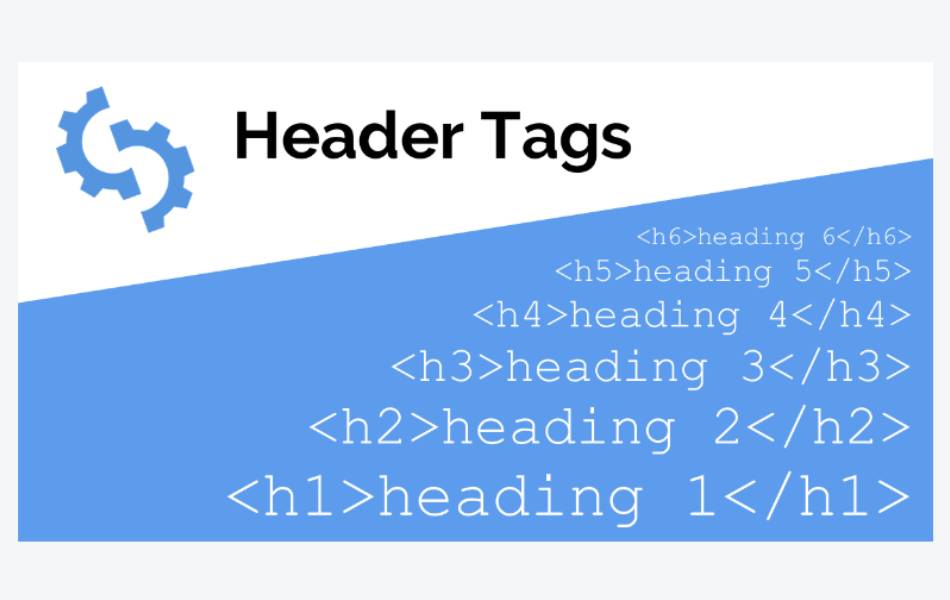
The header tags SEO importance lies in their ability to create a clear structure and hierarchy across a web page. These H1, H2, H3 (and beyond) tags help both users and search engines quickly scan and interpret the page’s layout and topic.
Avoid vague or branded headers. Instead, incorporate specific terms users would naturally search for. For example, a header that reads “Increase Website Speed by 3X” is far more effective than something like “Zoom Into the Future.”
Header tags aren’t just formatting tools—they are essential components in any SEO-friendly content strategy.
2. Titles
Your title tag is often the first impression users (and search engines) will get. An effective title must be relevant, compelling, and keyword-aligned. Overstuffed or overly long titles can deter clicks and confuse crawlers.
Instead, aim to communicate the page’s primary focus clearly and include keywords your audience is likely to use. Remember, titles influence both meta tags for search engines and user behavior.
3. Description
Though not a direct ranking factor, your meta description can significantly affect click-through rates. Well-crafted descriptions tell the user what to expect—and can often be the tipping point between them clicking your link or moving on.
Descriptions also play a subtle role in on-page SEO optimization by reinforcing keyword relevance and improving content context. When aligned with the title and headers, they contribute to an overall cohesive structure.
4. Content
Think of content as the engine that powers your page. It must be original, informative, and easy to digest. Use paragraphs, lists, and tables to present ideas clearly. Above all, avoid fluff and instead focus on value.
Incorporating SEO-friendly content strategies means balancing clarity with depth. Give direct answers, offer supporting data, and cite credible sources. The goal is to satisfy both user intent and search engine algorithms.
This is where meta tags for search engines, semantic relevance, and keyword context play pivotal roles.
5. Internal Links
Internal linking helps organize your website and guides users to related content. It supports site architecture, distributes authority, and helps crawlers index pages effectively.
Whether you’re linking through menus, breadcrumbs, or contextual in-content anchors, be strategic. Link from authoritative pages to newer or deeper ones to pass on page equity.
Internal and external linking SEO isn’t just about boosting rankings—it also enhances user experience and keeps your audience engaged longer.
6. External Links
Linking to authoritative external sources strengthens your content’s credibility and enhances topical relevance. Make sure these links support the point you’re making and come from trustworthy domains.
If you’re citing a third-party article, whitepaper, or case study, link to the original version. This shows search engines that your content is well-researched and connected to the broader digital ecosystem.
A solid internal and external linking SEO strategy is key to becoming a reputable resource in your niche.
7. Details from Customer Questions and Complaints
Including real-world questions and answers directly within your content is an often-overlooked method of content enrichment. Use forums, product reviews, or support queries to identify common concerns—and address them on your page.
This not only creates more value for users but also helps improve organic search visibility by aligning your content with real search queries. Bonus: it adds uniqueness and builds trust.
8. Images (Alt Text, Descriptions, Names)
Images do more than decorate a page—they communicate vital information. Be sure to use descriptive filenames, relevant alt text, and meaningful captions. If it’s a diagram or infographic, explain what the user will learn from it.
Properly labeled images not only enhance accessibility but also contribute to on-page SEO optimization and help search engines better understand your page’s theme.
Technical On-Page SEO Elements
1. Naming Clickable Elements
Clickable items like buttons, links, and CTAs should clearly communicate their purpose. Avoid generic labels like “Click here” in favor of descriptive phrases such as “Download SEO Checklist” or “View Pricing Plans.”
Search engines use this context to infer the page’s intent, making this a subtle yet significant part of technical SEO best practices.
2. Page Speed
A slow-loading site can be a major barrier, both for users and crawlers. Implement caching, lazy loading, and fetch prioritization to enhance speed and performance.
While speed alone won’t guarantee top rankings, it becomes a tiebreaker when two pages offer similar value. On-page SEO optimization must always consider user experience—and speed plays a central role in that.
3. Canonical Links
Use canonical tags to prevent duplicate content issues and consolidate ranking signals. This is crucial when products exist in multiple categories or when content is syndicated across domains.
By correctly defining the “main” version of a page, you ensure that search engines attribute value to the right URL—a foundational rule in technical SEO best practices.
4. Meta Robots
Meta robot tags let you guide search engines on how to treat your content—whether to index it or follow its links. For example, a promotional page might be tagged as “noindex, follow” to avoid cluttering search results while still passing link equity.
Accurate use of meta robots supports your larger SEO-friendly content strategy by preventing crawl waste and helping bots prioritize important content.
5. Schema
Schema markup acts like a translator for search engines. It tells them what your page is about—whether it’s a product, recipe, event, or review.
Even if not all search engines use it, including schema can improve how your listing appears in results, sometimes generating rich snippets. It’s a powerful way to improve organic search visibility and enhance context.
Make Your Web Pages More SEO-Friendly
You don’t have to implement every strategy overnight. Begin by refining headers, tightening your content, and improving internal linking structures. Then move on to page speed enhancements and adding schema where it makes sense.
Whether you’re revamping an old page or launching a new one, aligning with both on-page SEO optimization and technical SEO best practices will set you on the path to stronger rankings.
Consistency is key. Apply these SEO-friendly content strategies across your site, and you’ll likely see a meaningful boost—not just in traffic, but in relevance, engagement, and authority as well.
Partner with our Digital Marketing Agency
Ask Engage Coders to create a comprehensive and inclusive digital marketing plan that takes your business to new heights.


