

OpenAI Makes GPT-4o Image Creation Available To Everyone!
Update: Due to higher-than-expected demand, OpenAI has postponed the rollout of this feature to free accounts.
OpenAI has introduced a new OpenAI image generation system directly integrated with GPT-4o. This integration allows the AI to utilize its knowledge base and conversation context when generating images, resulting in more contextually accurate and relevant visual outputs.
Table of Contents
OpenAI’s announcement states:
“GPT‑4o image generation excels at accurately rendering text, precisely following prompts, and leveraging 4o’s inherent knowledge base and chat context—including transforming uploaded images or using them as visual inspiration. These capabilities make it easier to create exactly the image you envision, helping you communicate more effectively through visuals and advancing image generation into a practical tool with precision and power.”
Here’s what you need to know about the new image generation system from OpenAI:
Technical Capabilities
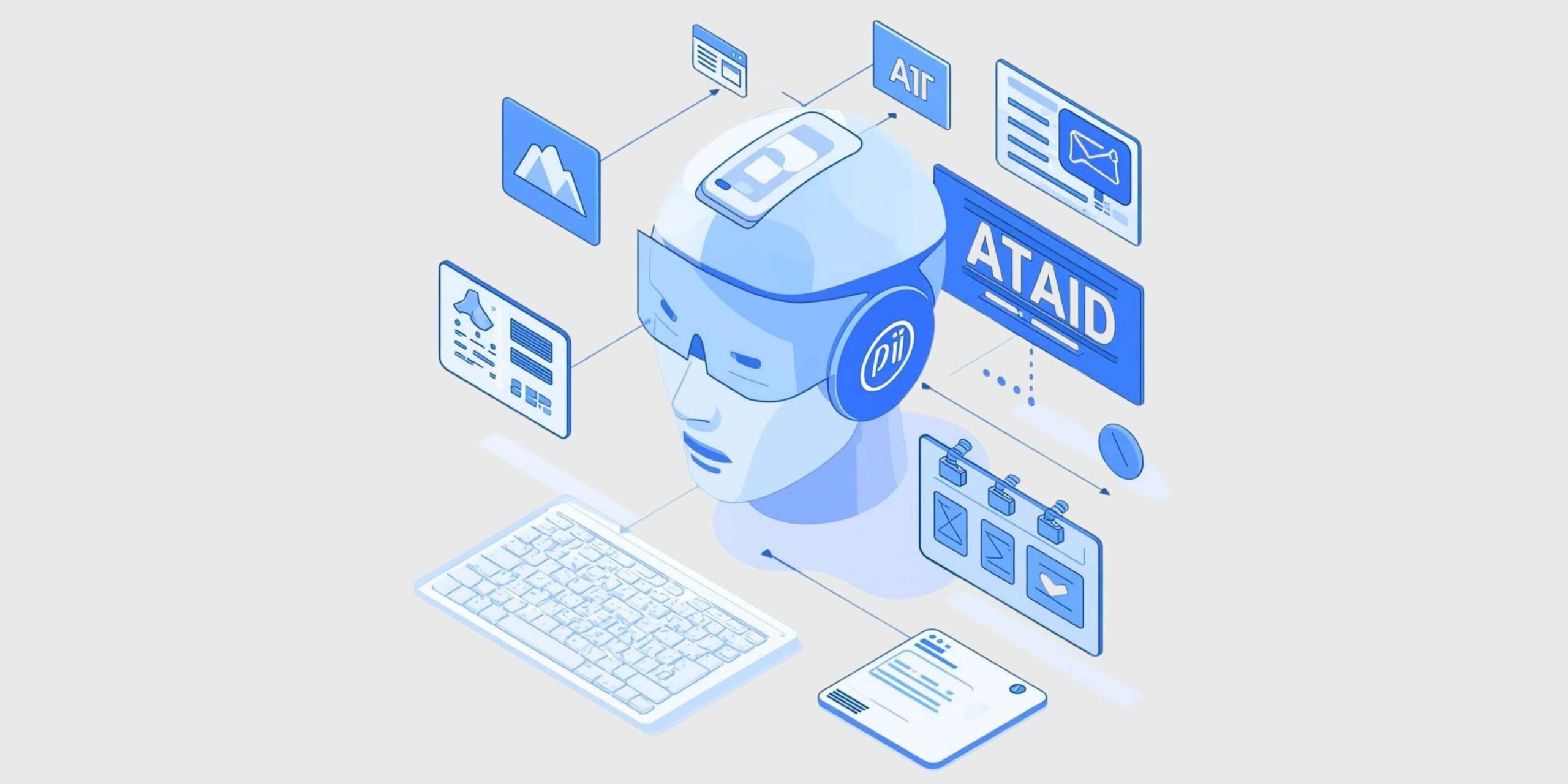
OpenAI’s latest image generation system comes with impressive features, including:
- Accurate text rendering within images.
- The ability to refine images through conversation while maintaining a consistent style.
- Support for complex prompts involving up to 20 different objects.
- The option to generate images based on uploaded references.
- Visual creation using information from GPT-4o’s training data.
According to OpenAI’s announcement:
“Because image generation is now native to GPT‑4o, you can refine images through natural conversation. GPT‑4o can build upon images and text in chat context, ensuring consistency throughout. For example, if you’re designing a video game character, the character’s appearance remains coherent across multiple iterations as you refine and experiment.”
Limitations
OpenAI acknowledges:
“Our model isn’t perfect. We’re aware of multiple limitations at the moment which we will work to address through model improvements after the initial launch.”
Here are some of the known limitations of the new image generation system:
- Hallucinations: The model may generate false information, particularly with vague prompts.
- Editing: Requests to edit specific parts of an image may inadvertently alter other areas or introduce new mistakes. Keeping faces consistent in uploaded images can also be challenging.
- Information Density: The model has difficulty presenting detailed information when working with small image sizes.
- High Blending Problems: It struggles to accurately depict more than 10 to 20 concepts at once, such as a complete periodic table.
- Cropping: GPT-4o sometimes crops long images, like posters, too closely at the bottom.
- Multilingual Text: The system may have issues displaying non-Latin characters, resulting in errors.
Impact on Search

This update transforms AI image generation from being mostly decorative to becoming more functional in business and communication.
Websites can take advantage of AI-generated images, but it’s crucial to consider a few key factors.
Google’s guidelines don’t restrict AI-generated visuals, focusing instead on content quality and value, regardless of how it’s produced.
Here are some best practices to follow:
- Use C2PA metadata (automatically included by GPT-4o) to ensure transparency.
- Include alt text for accessibility and improved indexing.
- Make sure images match user intent rather than just filling space.
- Opt for unique visuals over generic AI-generated templates.
Google Search Advocate John Mueller has expressed reservations about AI-generated images. While his personal perspective doesn’t influence Google’s algorithms, it may signal how others perceive AI visuals.
Availability
The feature is currently accessible to ChatGPT users with Plus, Pro, Team, or Free plans. Enterprise and Edu users will gain access soon. API access for developers is expected in the coming weeks. Due to increased processing demands, image generation typically takes around one minute.
Partner with our Digital Marketing Agency
Ask Engage Coders to create a comprehensive and inclusive digital marketing plan that takes your business to new heights.
Contact Us
Conclusion
OpenAI’s new image generation system integrated with GPT-4o marks a significant leap forward in creating contextually accurate visuals. While it offers impressive capabilities such as text rendering, style consistency, and complex prompt handling, it also faces challenges like cropping issues, hallucinations, and difficulties with multilingual text. As the system evolves, improvements are expected to address these limitations.
This feature is available to ChatGPT users on Plus, Pro, Team, and Free plans, with Enterprise and Edu access coming soon. Developers can look forward to API availability in the coming weeks. With practical applications extending beyond decorative use, businesses and content creators can leverage this tool for enhanced communication while focusing on user intent and transparency.
FAQs
GPT-4o image generation is OpenAI’s latest integrated system that creates visuals directly within the chat interface using native context. It streamlines OpenAI image generation by understanding conversation history for more precise outputs.
Unlike standalone tools, this system uses AI visual generation natively within GPT-4o, ensuring superior consistency. It maintains character and style coherence across multiple turns of conversation.
Yes, it leverages conversation history to refine AI image prompts, allowing for iterative improvements. This context awareness helps the model understand complex references from previous messages.
OpenAI image generation now supports accurate text rendering, consistent character styles, and complex multi-object scenes. It can also transform uploaded reference images into new creative assets.
Current AI image limitations include occasional hallucinations, difficulties with multilingual text, and issues with very dense information. Users may also notice cropping problems with long aspect ratios like posters.
GPT-4o image capabilities include significantly improved text rendering compared to previous models like DALL-E 3. However, it may still struggle with complex non-Latin scripts or extremely long sentences.
This shift towards functional AI visual generation allows businesses to create unique, intent-driven assets for SEO. It moves AI imagery from purely decorative to a practical communication tool.
Yes, Google focuses on content quality rather than the method of OpenAI image generation. However, using C2PA metadata and alt text is best practice for transparency and accessibility.
GPT-4o image features are available to ChatGPT Plus, Team, and Free users (with rollout delays for some). Enterprise and Edu users will gain access in subsequent updates.
Developers can expect access to this advanced OpenAI image generation system via API in the coming weeks. This will allow for integration into custom applications and workflows.


