
2026’s Top AI Voice Generators Put to the Test: The Results Were Shocking
AI Voice Tech Just Leveled Up. And It’s Wild.
AI voice technology has been evolving rapidly for years, but something’s shifted recently. We’re no longer just dealing with slightly smoother narration or clearer text-to-speech. Today’s tools are starting to sound human, not just in tone, but in emotion, personality, and conversational quirks that can genuinely catch you off guard.
Curious to see just how far things had come, I spent the last few weeks diving deep into six of the most advanced AI voice tools available. My goal wasn’t just to crown a “winner,” but to understand what these tools can do, where they’re already useful, and where they’re clearly headed.
Here’s what I discovered, and why it matters for marketers, creators, and anyone trying to stay ahead of the curve.
Table of Content
The Top 6 AI Voice Tools That Matter for Marketers Right Now
Sure, there are dozens of AI voice tools floating around. But most? Not game-changers. These six stood out, either because they’re surprisingly usable today or because they made me rethink what’s possible. I got hands-on with each, pushed their limits, and here’s what impressed me most.
1. Sesame: The Emotionally Intelligent Conversationalist
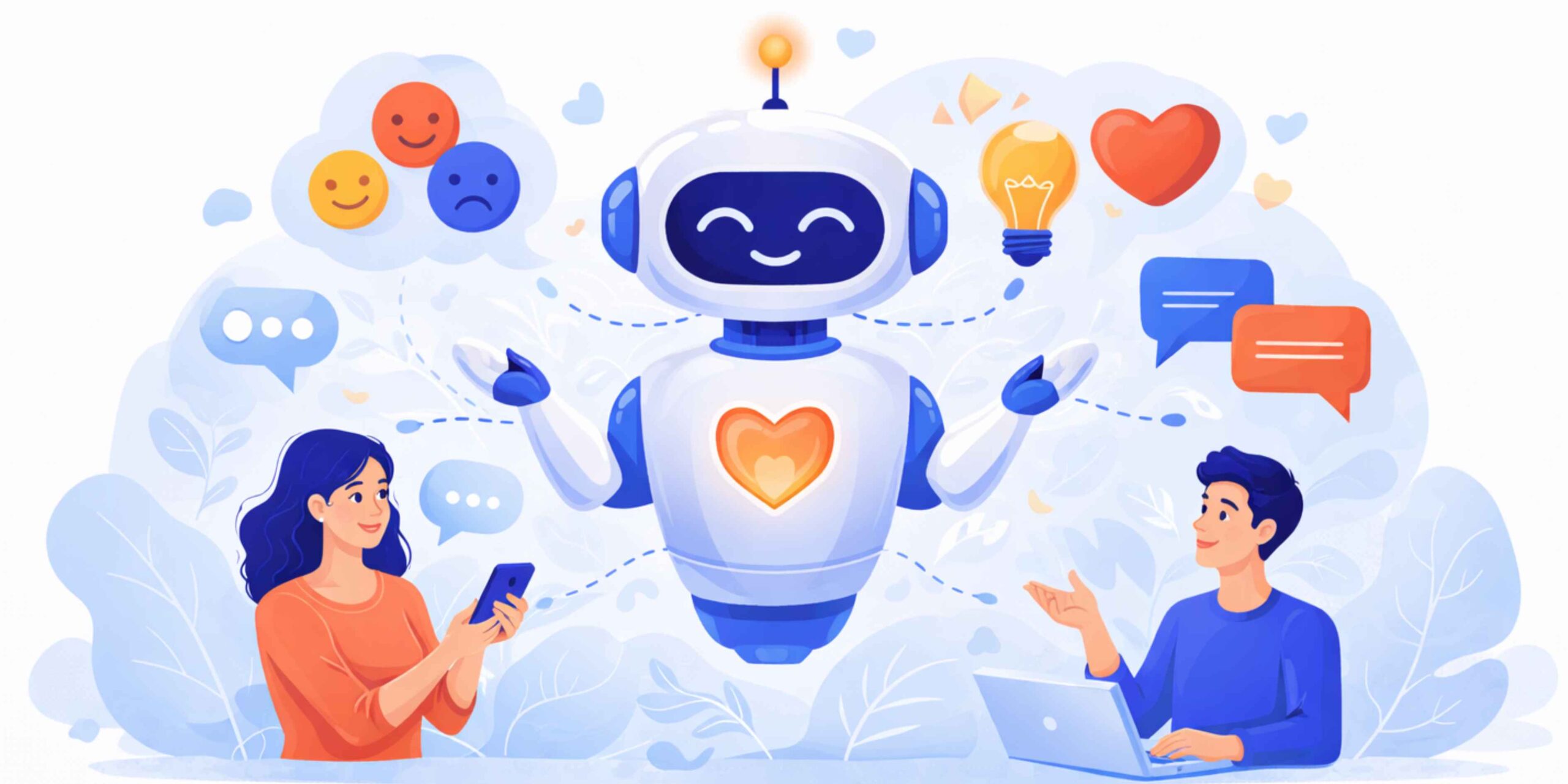
Backed by top-tier investors like Andreessen Horowitz, Spark Capital, and Matrix Founders, Sesame is focused on building emotionally intelligent conversational AI, and honestly, it’s one of the few tools that delivers.
The default female voice is impressively lifelike. She breathes before speaking, pauses naturally, and even shifts emotional tone based on your input. It’s not flawless, but the adaptive nature of the responses feels genuinely human, like she’s listening and reacting to you.
- Where it works best: Anywhere emotional nuance matters, from training simulations and soft-skill coaching to user testing environments where tone is everything.
- My verdict: When I want to show someone the future of AI voice, this is the demo I use.
2. Grok: The Unhinged Creative Partner
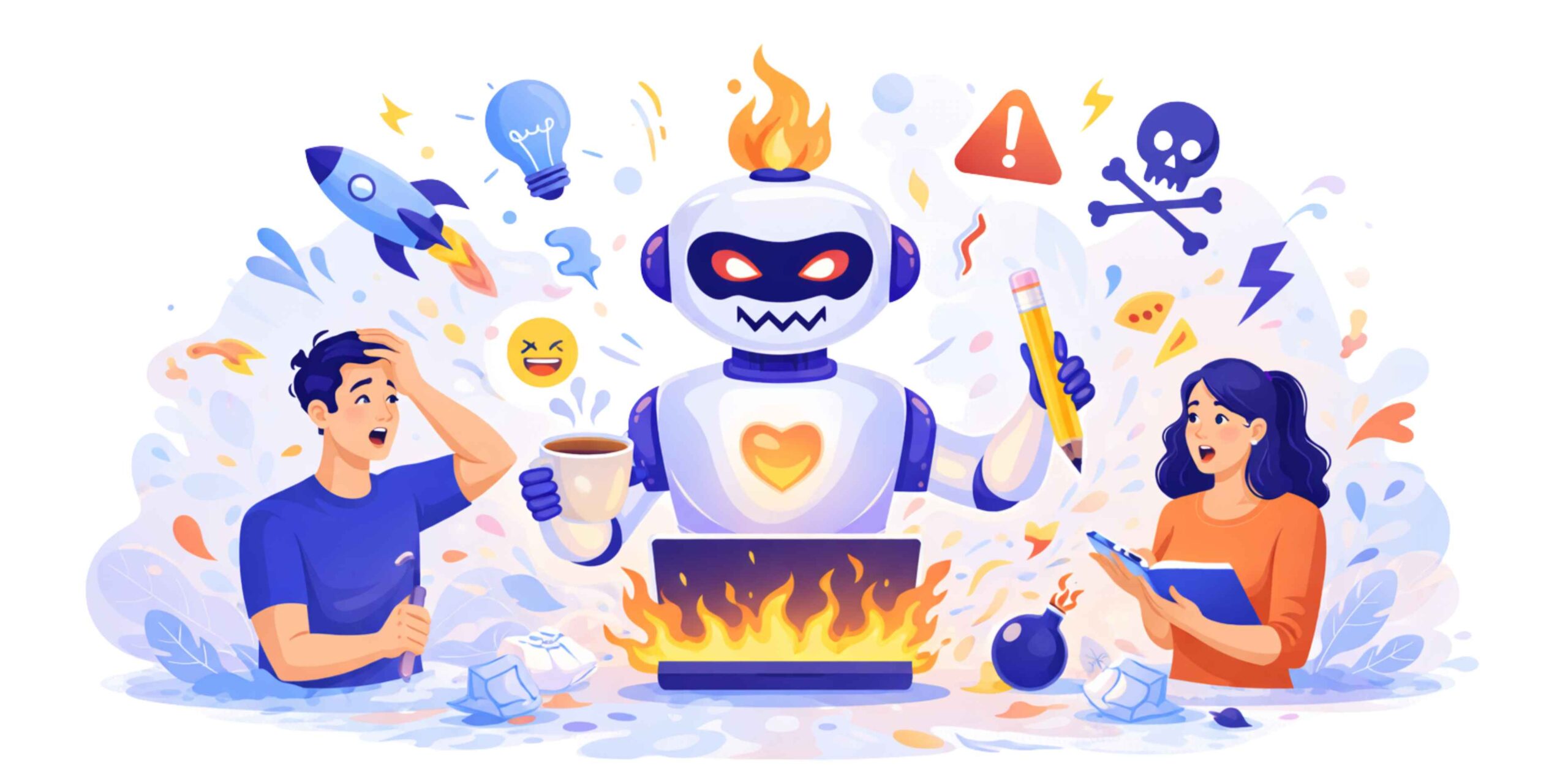
Grok, from xAI, offers a voice mode with adjustable personality settings, including an “unhinged” mode that drops most filters and content restrictions. It’s designed to be bold, weird, and more expressive than your typical assistant. Mission accomplished.
At one point, I asked it to impersonate Andrew Dice Clay (yes, really). Seconds later, it was riffing off inappropriate jokes in full character. You’ll get a lot of hits, a few hilarious misses, and plenty of personality.
It can get stuck in a character or need a reset now and then, but when it works, it’s shockingly fun and far more “alive” than most voice tools.
- Where it works best: Brainstorming wild content ideas, testing edgy tones, or injecting unique voices into scripts and social posts.
- My verdict: Easily the most entertaining AI voice, but it’s not for the faint-hearted.
3. ElevenLabs: The Voice Cloning Specialist
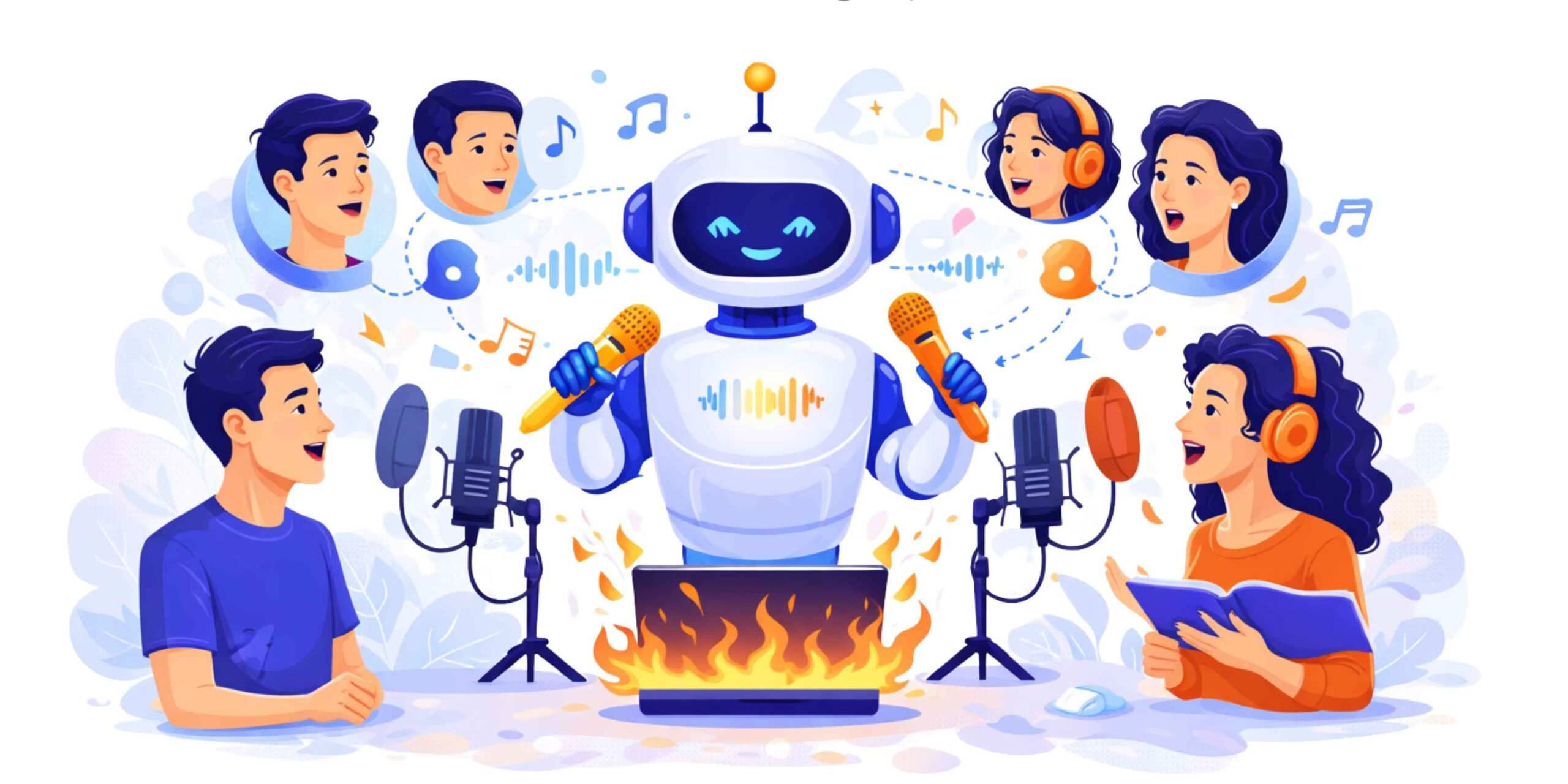
ElevenLabs has earned its reputation as the gold standard in voice cloning, and after testing it with my own voice, I can see why. It captured my cadence, rhythm, and tone with impressive accuracy. The output is slightly flatter and more monotone than natural speech, but for most practical uses, that tradeoff is worth it.
What sets ElevenLabs apart is its consistency. Whether you’re generating a podcast, an onboarding video, or an AI assistant script, it keeps your cloned voice stable across different formats and long-form content. Plus, its API integrations make it incredibly easy to plug into production workflows. The recent addition of sound effects adds another layer of polish, especially if you’re building immersive content experiences.
- Where it works best: Perfect for creators, educators, and brands that want to scale a personal or branded voice across lots of content: think CEO updates, e-learning, explainer videos, and internal comms.
- My verdict: The most efficient and production-ready voice cloning tool available today. If you want your voice everywhere without being everywhere, this is it.
4. ChatGPT Voice Mode: The Reliable Assistant
OpenAI’s Advanced Voice Mode for ChatGPT (available to Plus subscribers) brings real-time voice conversations to the forefront. It’s smooth, responsive, and surprisingly nuanced in tone.
That said, it feels like OpenAI intentionally dialed back the “too-human” qualities showcased in early demos, likely a smart move to maintain transparency that you’re talking to AI. But this also makes the voice feel slightly more robotic than tools like Sesame.
Still, it’s reliable and extremely easy to use, which counts for a lot in professional environments.
- Where it works best: Professional or educational content where consistency matters more than charisma, executive briefings, internal training, client-facing walkthroughs, and more.
- My verdict: A solid, safe, and always-available voice assistant. It’s not the flashiest, but it always shows up ready to work.
5. Whispr Flow: The Productivity Multiplier

Whispr Flow, built on OpenAI’s Whisper model, is a seamless system-wide voice-to-text tool that’s changed how I work, especially after a hand injury reminded me how much I rely on typing.
You press a hotkey, speak, and your thoughts appear as clean text. It’s that simple, and incredibly effective. Even at fast speeds, the accuracy is impressive. There are occasional misfires (sometimes funny ones), but overall, it’s a massive time-saver.
It’s especially powerful for developers, writers, and content teams. You can talk out a blog outline, code a function, or brainstorm copy, hands-free.
- Where it works best: For creators and builders who think faster than they type. It’s also a great tool for managing fatigue, improving accessibility, or just getting more done in less time.
- My verdict: An underrated powerhouse. Once you try it, you’ll wonder how you ever worked without it.
6. Octave by Hume AI: The Emotionally Convincing Friend

Octave, from Hume AI, takes a unique approach to AI voice: emotion-first. You feed it a prompt like “stern but sympathetic,” and it generates speech that aims to match both tone and context. It’s not just reading words, it’s performing them.
When the emotional prompt aligns well with your script, the results are genuinely impressive. Ask it to sound like a horror narrator or a compassionate coach, and it delivers with surprising nuance. But mismatches, like asking for a terrified tone while reading a grocery list, can lead to weird, flat results.
- Where it works best: High-emotion content like ads, voiceovers, trailers, or podcast intros. It’s also an intriguing tool for actors or creatives experimenting with vocal tone.
- My verdict: Fascinating and fun to play with, and when it works, it really works. But still a bit experimental.
Start Exploring AI Voice Tools
AI voice tools are already transforming how we create, deliver, and scale content. The best ones don’t just sound human. They help you move faster, stay consistent, and unlock entirely new creative directions.
Partner with our Digital Marketing Agency
Ask Engage Coders to create a comprehensive and inclusive digital marketing plan that takes your business to new heights.
Contact Us
If clarity, accessibility, or experience design matter to your brand, now is the time to start paying attention. The question isn’t whether the tech is ready. It’s whether you are.
FAQs
An AI voice generator is software that uses artificial intelligence and deep learning to convert written text into spoken audio that mimics human speech patterns, intonation, and emotion.
Generally, yes, if you use a licensed platform. However, you must always ensure you have the commercial rights to the specific voice clone or preset you are using to avoid copyright infringement.
Prices vary widely, ranging from free tiers with limited characters to $10-$30/month for pro plans, while enterprise solutions with custom cloning capabilities can cost significantly more.
For scalable content like training videos or simple narration, yes. However, complex emotional storytelling or high-stakes brand work often still requires the subtle nuance of a professional human actor.
Yes, provided you use reputable platforms that employ security measures, such as voice verification, to prevent unauthorized users from creating deepfakes of your likeness.
Most top-tier AI voice tools now offer extensive multilingual support, allowing you to generate speech in dozens of languages or even translate your own voice into other languages instantly.
Modern AI tools (like those built on the Whisper model) offer 95-99% accuracy, often rivaling human transcription speed and quality, especially for clear audio sources.
No. Most modern tools are designed with user-friendly interfaces where you simply type your text, select a voice, and click “generate,” no coding or audio engineering skills required.
Small businesses can use AI voice for professional voicemail greetings, social media video voiceovers, YouTube content, and employee training materials without the budget for hiring talent.
You should evaluate the tool’s emotional range, language support, pricing model (subscription vs. pay-per-use), and commercial usage rights to ensure it aligns with your project goals.


