
10 SEO Mistakes That Prevent USA Landscaping Business From Appearing in Local Search!
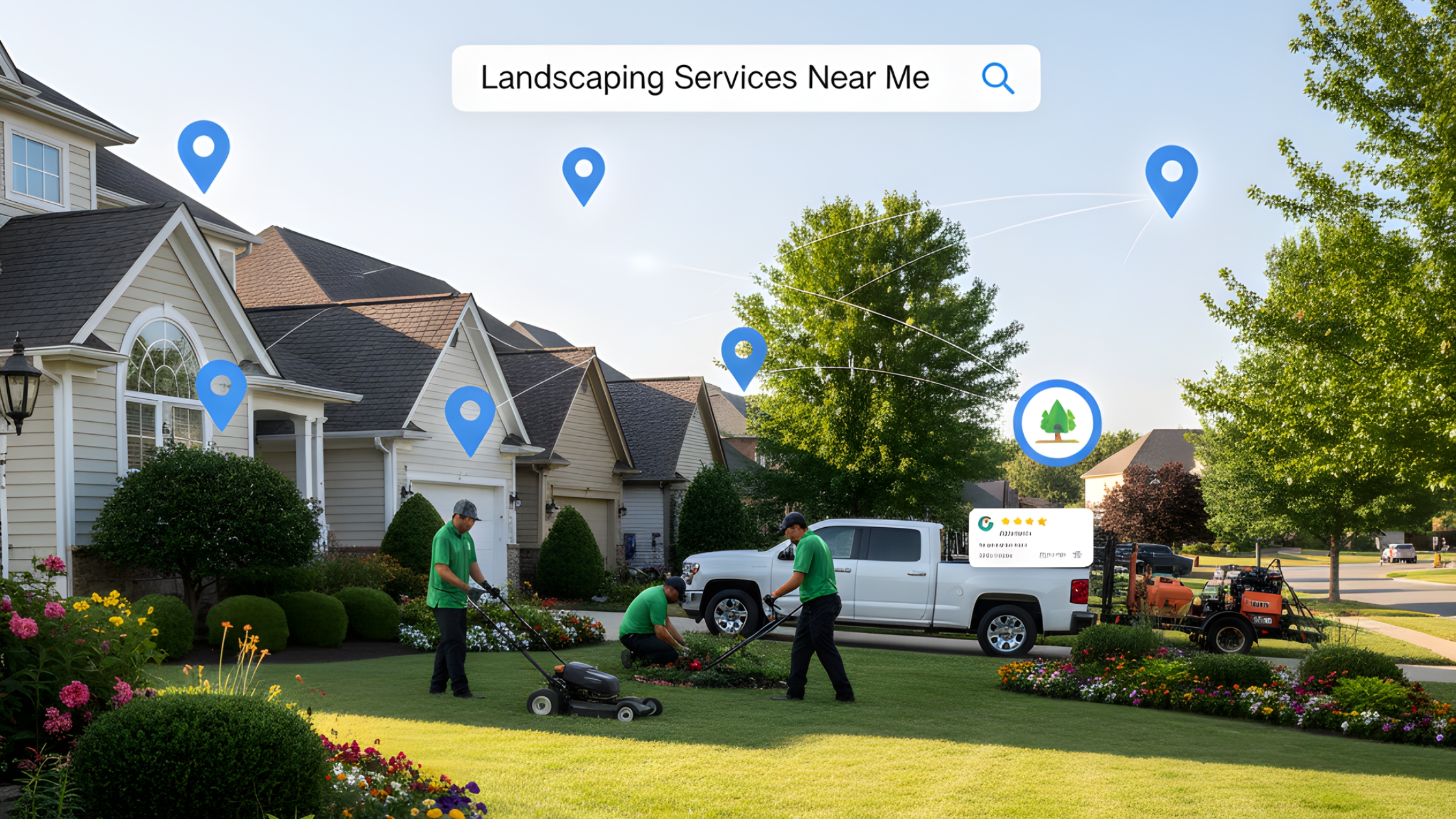
Getting your landscaping company in USA to show up in local searches like the Google Map Pack (“Snack Pack”) is crucial for attracting nearby customers. However, many USA landscaping businesses make fundamental errors that render them invisible to potential clients in their own service area.
Here are 10 of the most common local SEO mistakes our SEO Experts in USA suggest you to prevent (and how to fix them):
SEO Mistakes That Stop You From Getting In Local Search Results
1. Neglecting or Improperly Optimizing Google Business Profile (GBP)
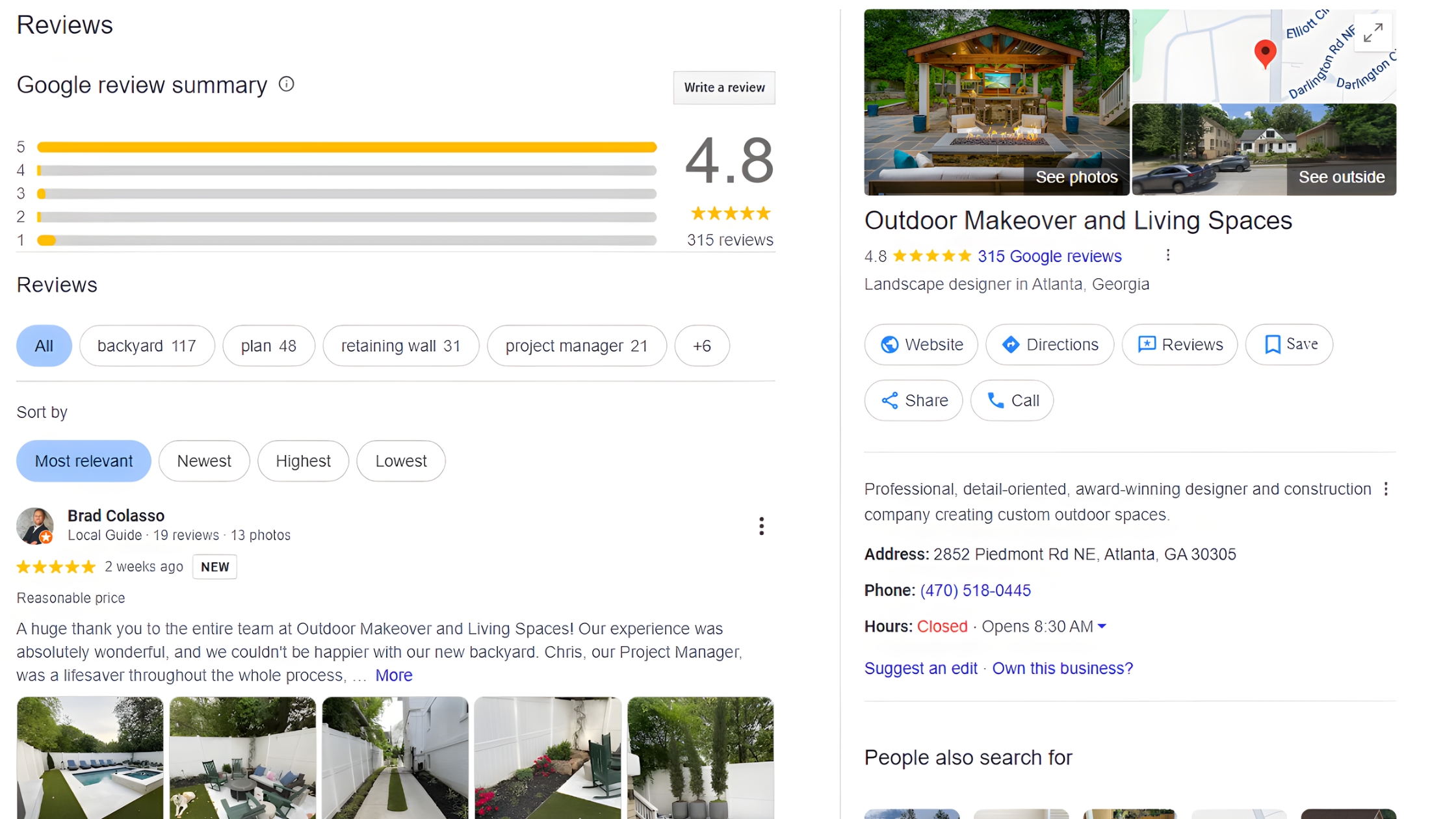
Many landscaping companies either fail to claim their Google Business Profile or fill it out once and then neglect to update it. They leave sections blank, use low-quality photos, and don’t actively manage it. Why is it a problem? Well, your GBP is the single most important factor for local search ranking. Google uses it to verify your business’s existence, location, and relevance.
An incomplete or inactive profile signals to Google that your business might be less credible than a competitor’s fully optimized profile. You lose out on appearing in the highly visible map results where most local customers look first.
How to Fix It:
- Claim and verify your profile.
- Complete every section: description, hours, services, service areas, and attributes.
- Choose the right categories: primary (“Landscaper” or “Landscape Designer”) and secondary categories like “Lawn Care Service” or “Tree Service”.
- Upload high-quality, geotagged photos and videos of projects, teams, and equipment.
- Encourage reviews from satisfied customers.
- Use Google Posts to share updates, offers, and finished projects regularly.
2. Inconsistent NAP Information
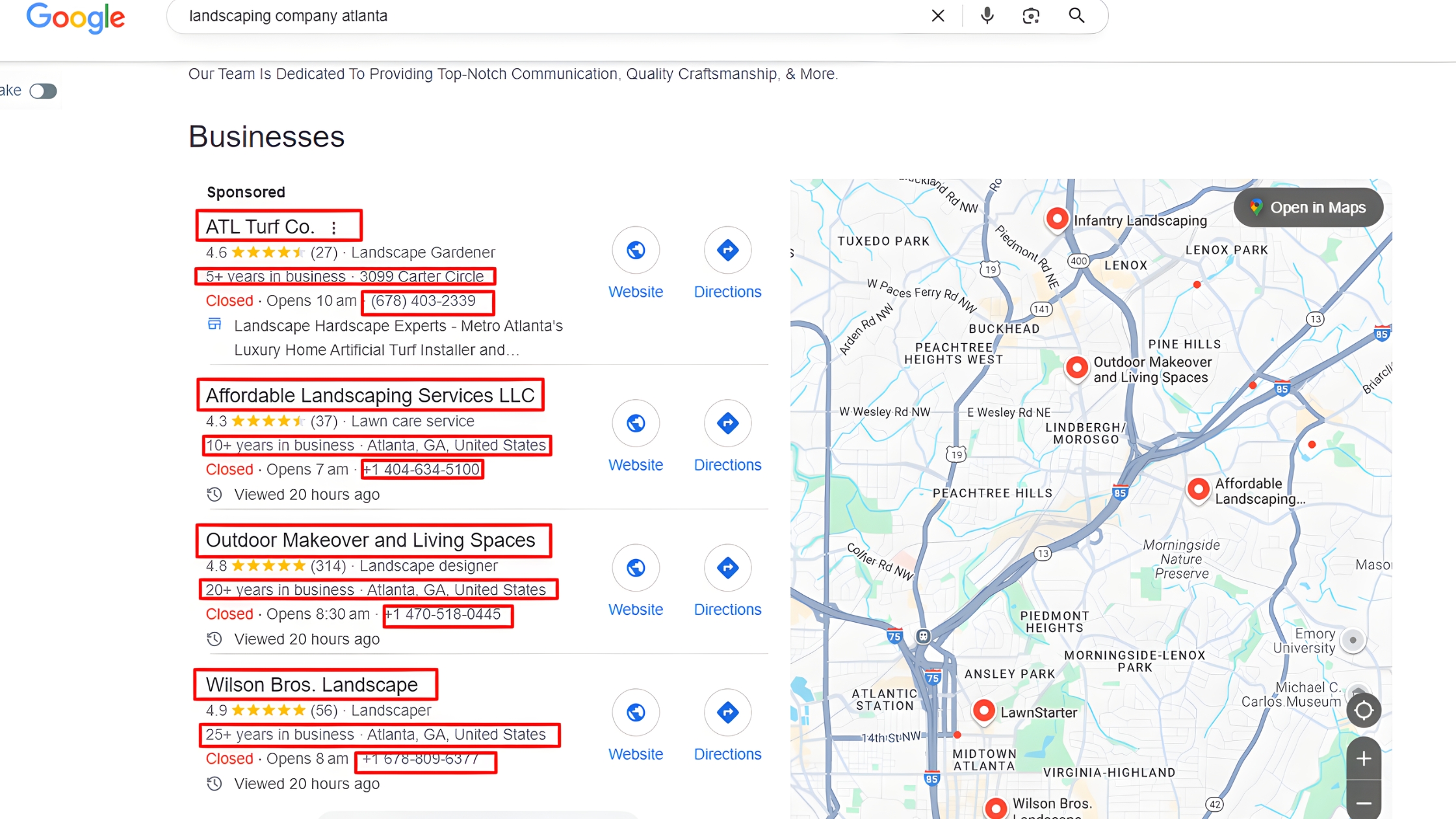
This happens when your business’s Name, Address, and Phone number (NAP) are inconsistent across various online directories, such as Yelp, Angi, and your own website. For example, your website lists “123 Green St.,” Yelp lists “123 Green Street,” and your Facebook page still displays an old phone number.
Google cross-references information across the web to validate your business details. Inconsistencies create confusion and erode trust, causing Google to lower your ranking because it isn’t confident about your location or contact info.
How to Fix It:
- Establish a standardized NAP format and use it everywhere.
- Audit major citations and correct inconsistencies.
- Use citation management tools like BrightLocal or Semrush.
3. Not Having Location-Specific Service Pages
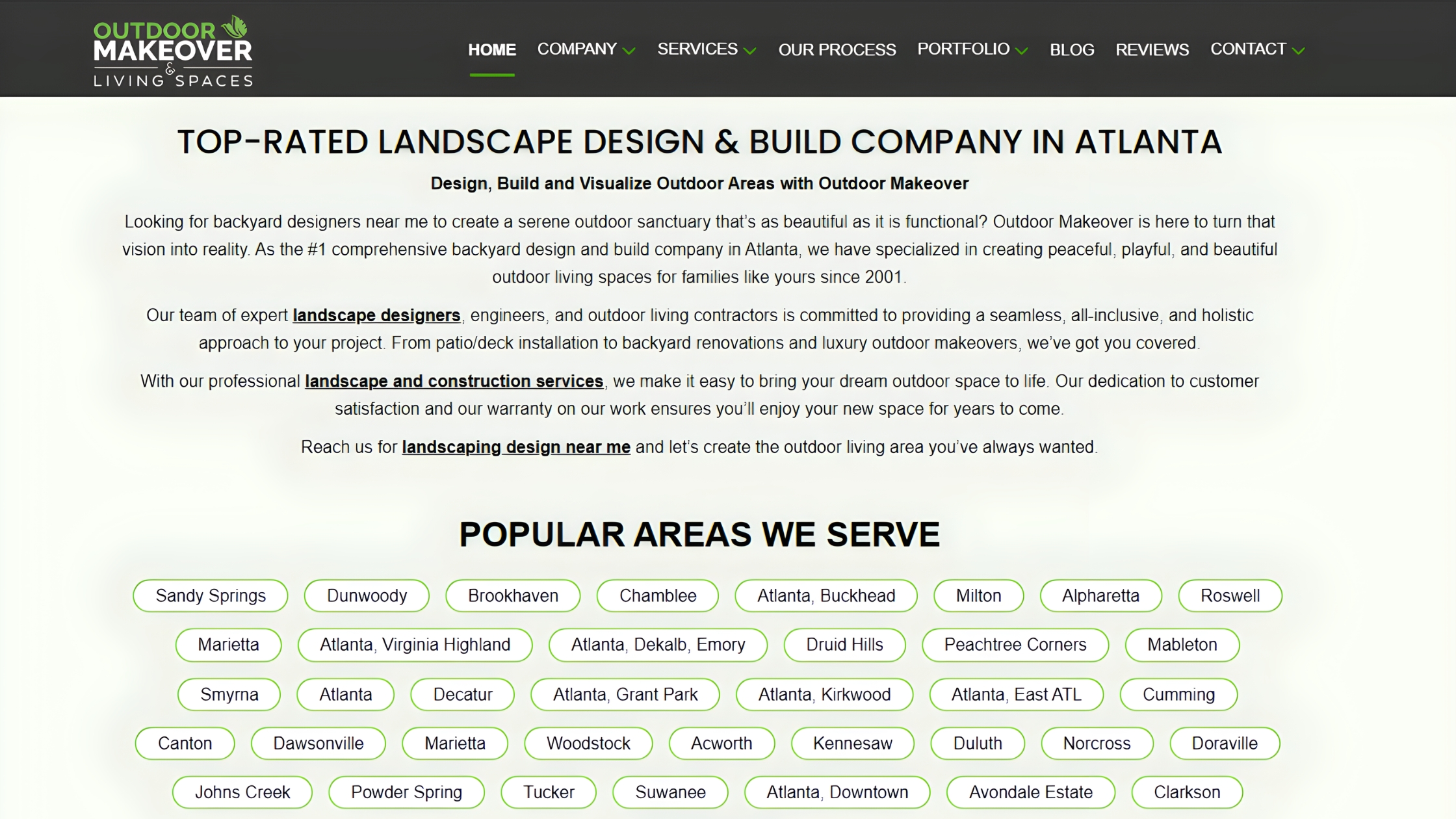
A single “Services” page won’t help you rank in different cities or neighborhoods. To target searches like “lawn fertilization in Plano, TX,” you need dedicated pages for each service and each area you serve. When a potential customer in Plano, Texas, searches for “lawn fertilization service in Plano,” Google looks for the most relevant page.
A generic services page is far less relevant than a competitor’s page titled “Expert Lawn Fertilization Services in Plano, TX.” You miss the opportunity to rank for highly specific, purchase-intent keywords.
How to Fix It:
- Create unique service pages for each core offering.
- Create location pages for every area you serve.
- Combine both: e.g., yourwebsite.com/lawn-care-dallas, with content specific to local conditions and needs.
4. A Website That Isn’t Mobile-Friendly
If your site has tiny text, non-clickable buttons, or a layout that doesn’t adapt to smartphones, it signals to Google that your site isn’t optimized for mobile devices. This can lower your rankings in local search results.
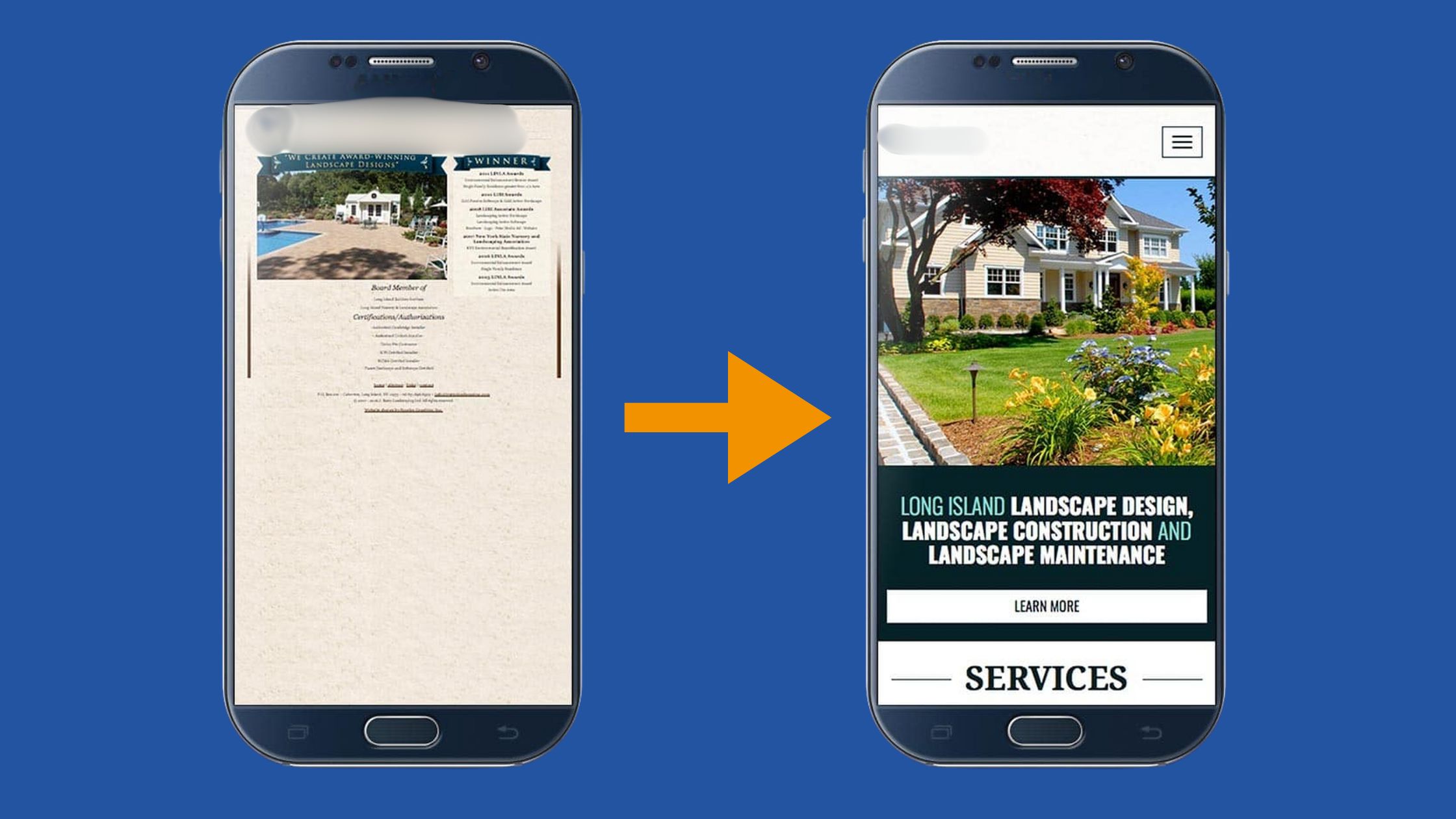
How to Fix It:
- Use a Responsive Design: Ensure your website layout automatically adjusts to different screen sizes — desktop, tablet, and mobile. Most modern website builders and themes have responsive options built-in.
- Increase Font Size and Button Clickability: Make text easy to read without zooming and ensure buttons and links are large enough to tap comfortably on small screens.
- Simplify Navigation: Use a clean, mobile-friendly menu. Avoid clutter and minimize dropdowns or complex navigation that’s hard to use on a phone.
- Optimize Images and Media: Compress images and ensure videos scale correctly on mobile devices. Large files can slow load time, harming mobile experience and SEO.
- Check Loading Speed: Mobile users expect fast-loading pages. Use tools like Google PageSpeed Insights to identify and fix speed issues.
- Test Across Devices: Regularly test your site on multiple devices and browsers to ensure consistent mobile usability.
- Fix Mobile Pop-Ups: Avoid intrusive pop-ups or banners that block content on mobile screens, as Google can penalize sites for them.
- Use Google’s Mobile-Friendly Test: Run your site through Google’s Mobile-Friendly Test to identify specific issues and get actionable recommendations.
Also Read: Trends Reshaping USA Landscaping Industry in 2025 and Beyond
5. Lack of Local Content and Keywords
Generic website content won’t help you stand out in local search results. If your pages talk about “landscaping” but never mention the specific cities or neighborhoods you serve, Google won’t connect your business to those locations.
To attract local clients, your content and blogs should reflect your area’s climate, community, and needs — not just broad gardening advice. You aren’t signalling your geographic relevance to Google. If you don’t mention “Austin” on your website, it’s much harder for Google to rank you for the search “best landscaper in Austin.”
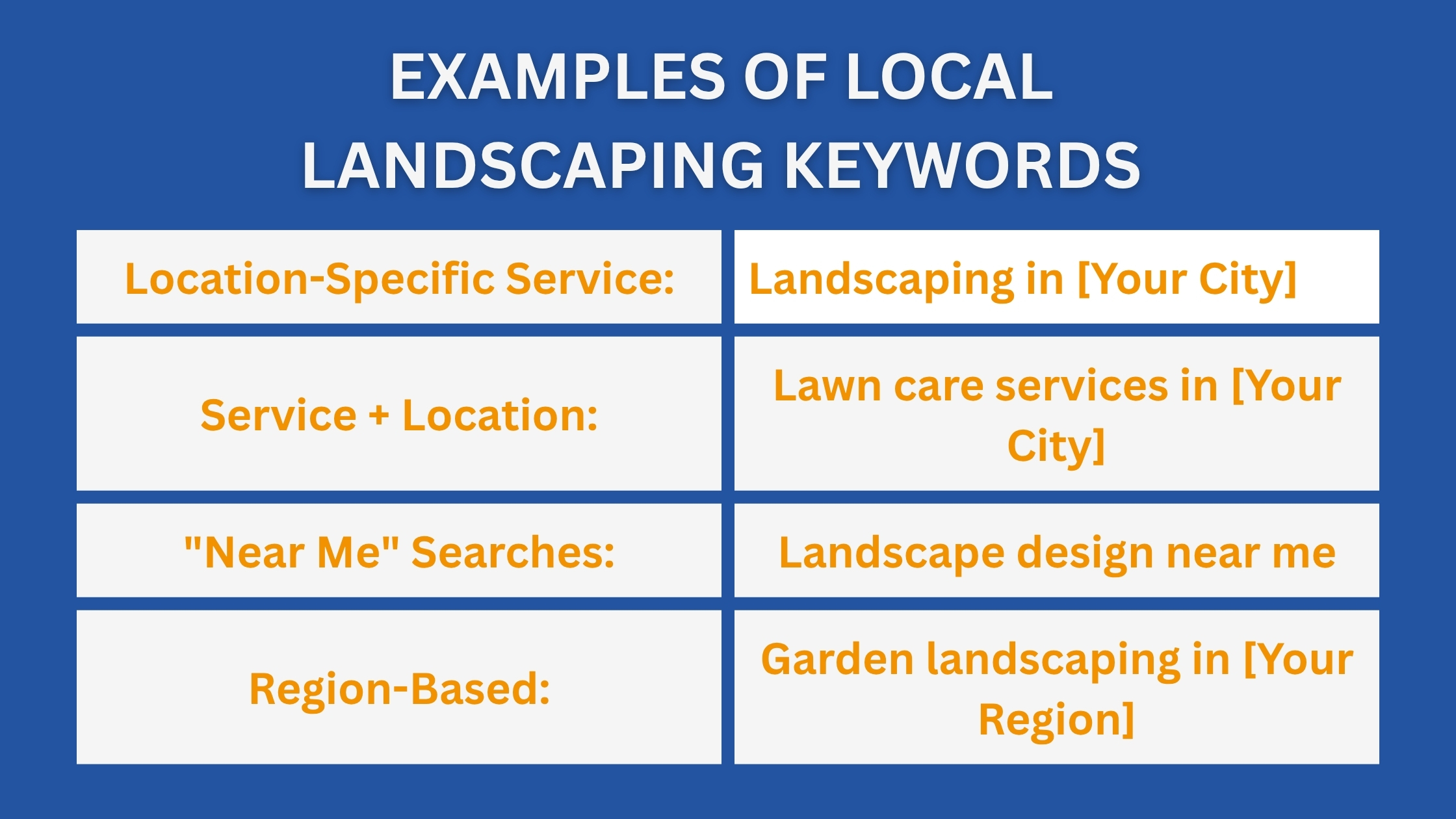
How to Fix It:
- Include city and service area names naturally in titles, headers, meta descriptions, and body text.
- Create blog posts relevant to local conditions (e.g., climate, plants, seasonal tasks).
- Showcase local projects with images labeled by city or neighborhood.
6. No Local Link Building Strategy
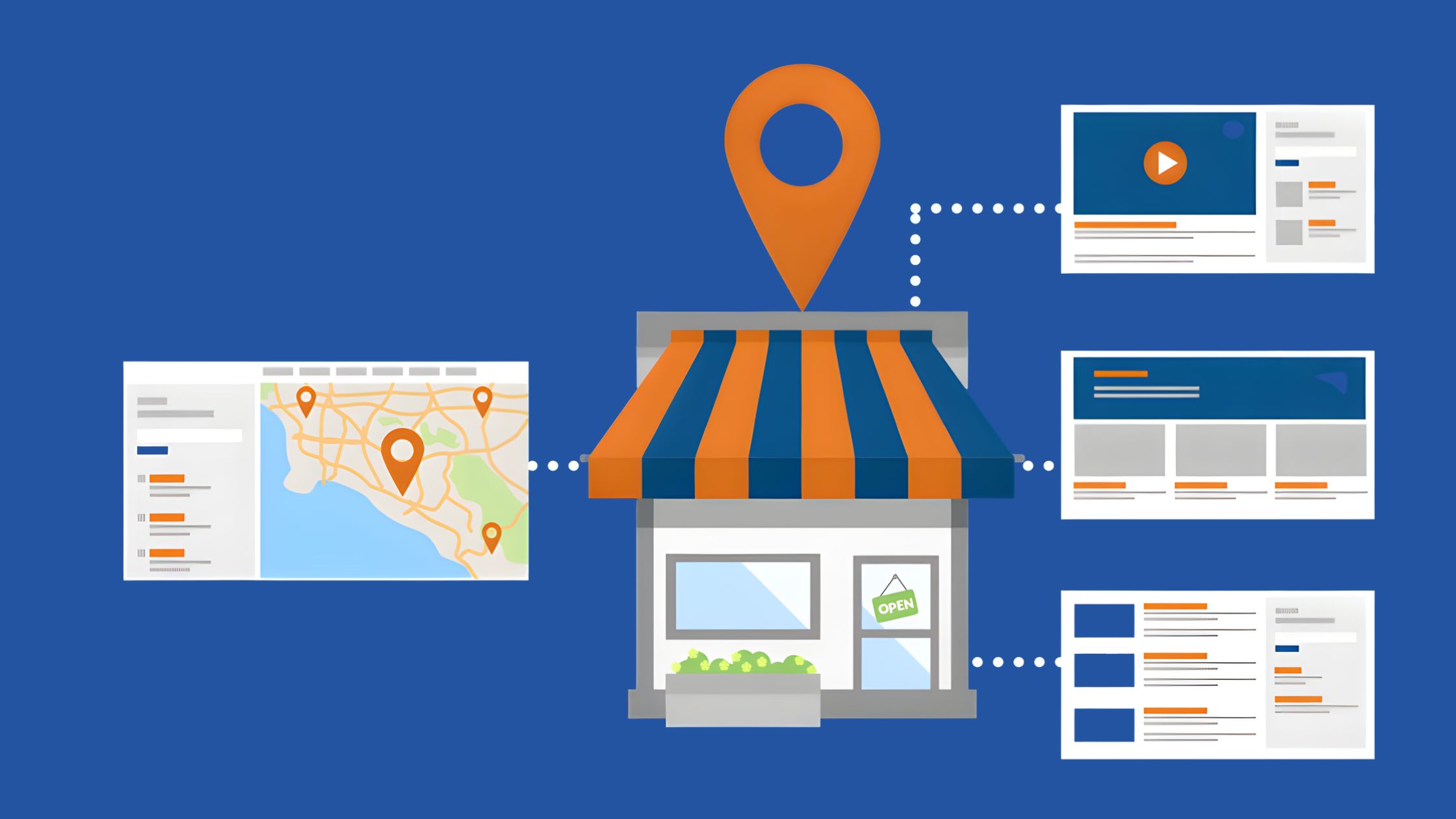
If your website doesn’t have backlinks or only has links from low-quality directories, you’re missing a major SEO ranking factor. Backlinks act as votes of trust: when a credible local website links to you, it signals to Google that your business is legitimate and relevant to that area.
How to Fix It:
- Get listed in reputable local directories.
- Collaborate with local businesses or community organizations for mentions.
- Contribute to local news stories, blogs, or industry features.
- Sponsor local events that link to your site.
7. Thin or Duplicate Content on Service/Location Pages
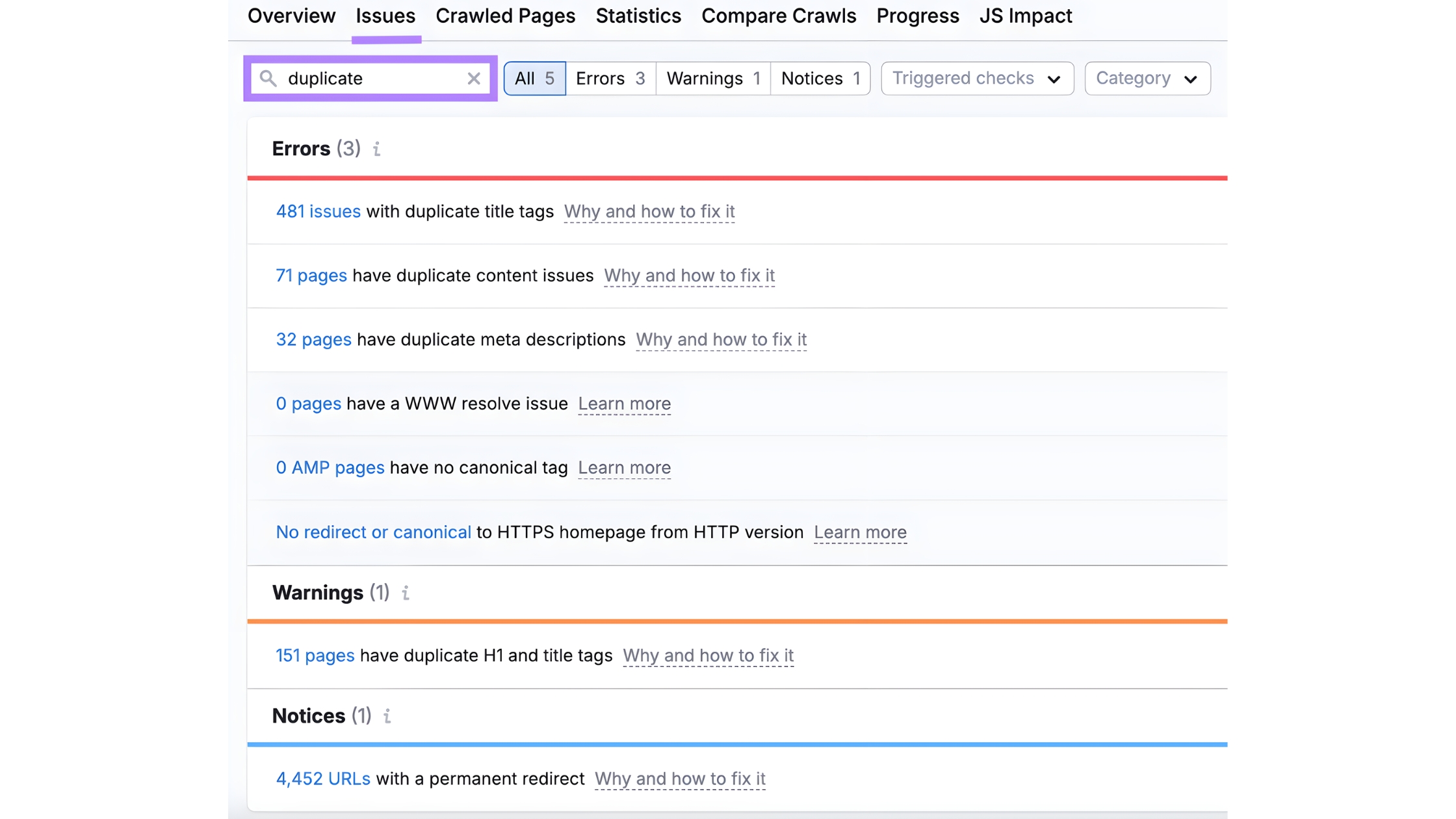
If your city pages all say the same thing, with only the city name changed, Google sees that as duplicate content, and it can work against you. Each page should feel tailored to the area it targets. Add local examples, customer stories, or nearby landmarks to show Google (and your readers) that you really serve that community.
This is considered “thin” or “duplicate” content by Google and can actually harm your rankings. Each page on your website should offer unique value and benefit. Simply swapping a city name doesn’t make the content unique or helpful for a user in that specific city.
How to Fix It:
- Write unique content for each page, highlighting local landmarks, neighborhoods, or client testimonials.
- Discuss local conditions like soil types, climate, and plant options.
8. Slow Website Load Speed
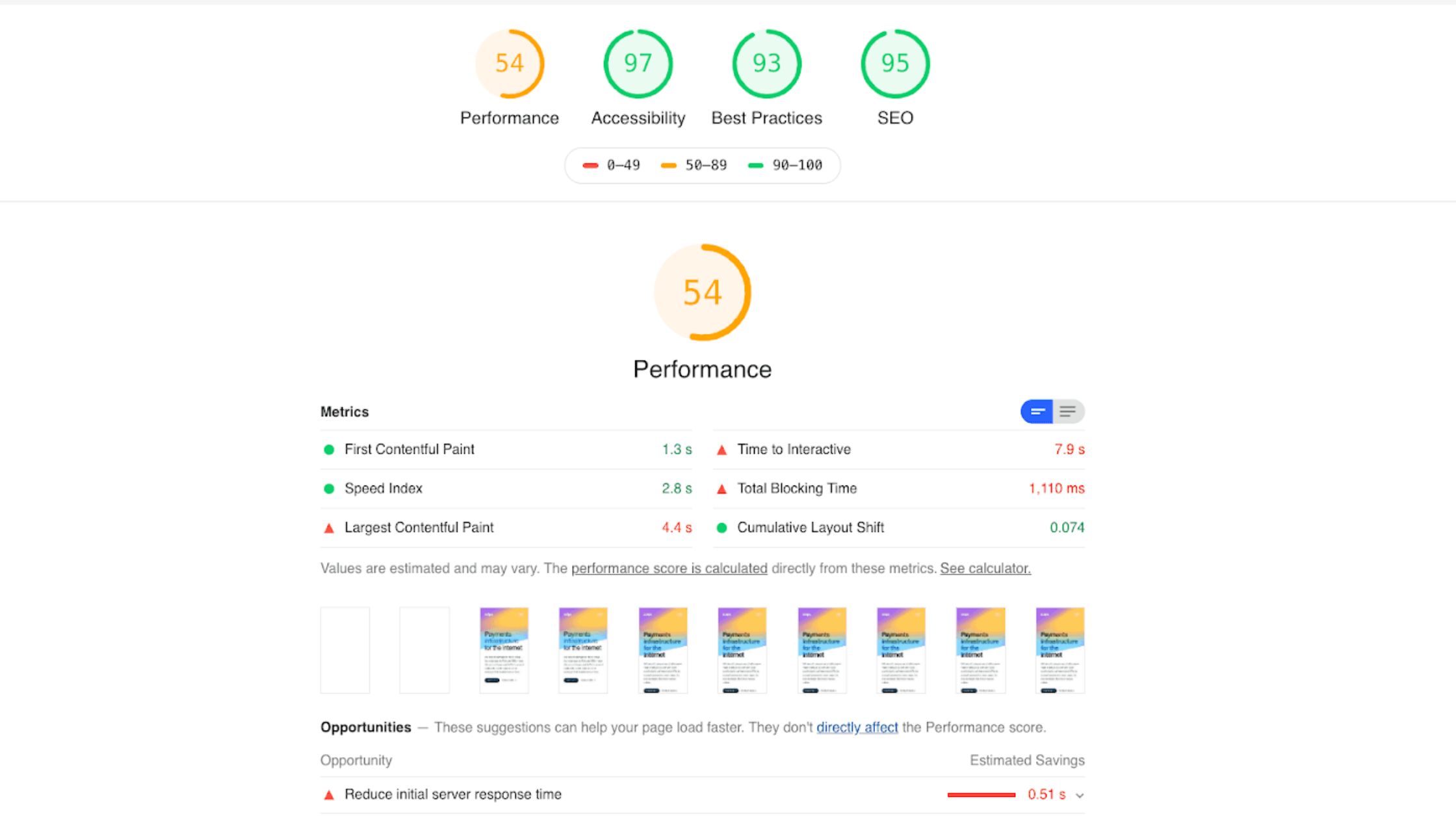
If your website takes more than 3–4 seconds to load, you’re losing visitors and rankings. Large, uncompressed images, especially from landscaping project galleries often slow pages down. Page speed is a confirmed Google ranking factor, and users rarely wait around for a sluggish site. A faster, optimized website keeps visitors engaged and signals to Google that your business provides a better user experience.
How to Fix It:
- Compress images before uploading.
- Use Google PageSpeed Insights for recommendations.
- Upgrade hosting if necessary.
9. Failing to Include Schema Markup (Local Business)
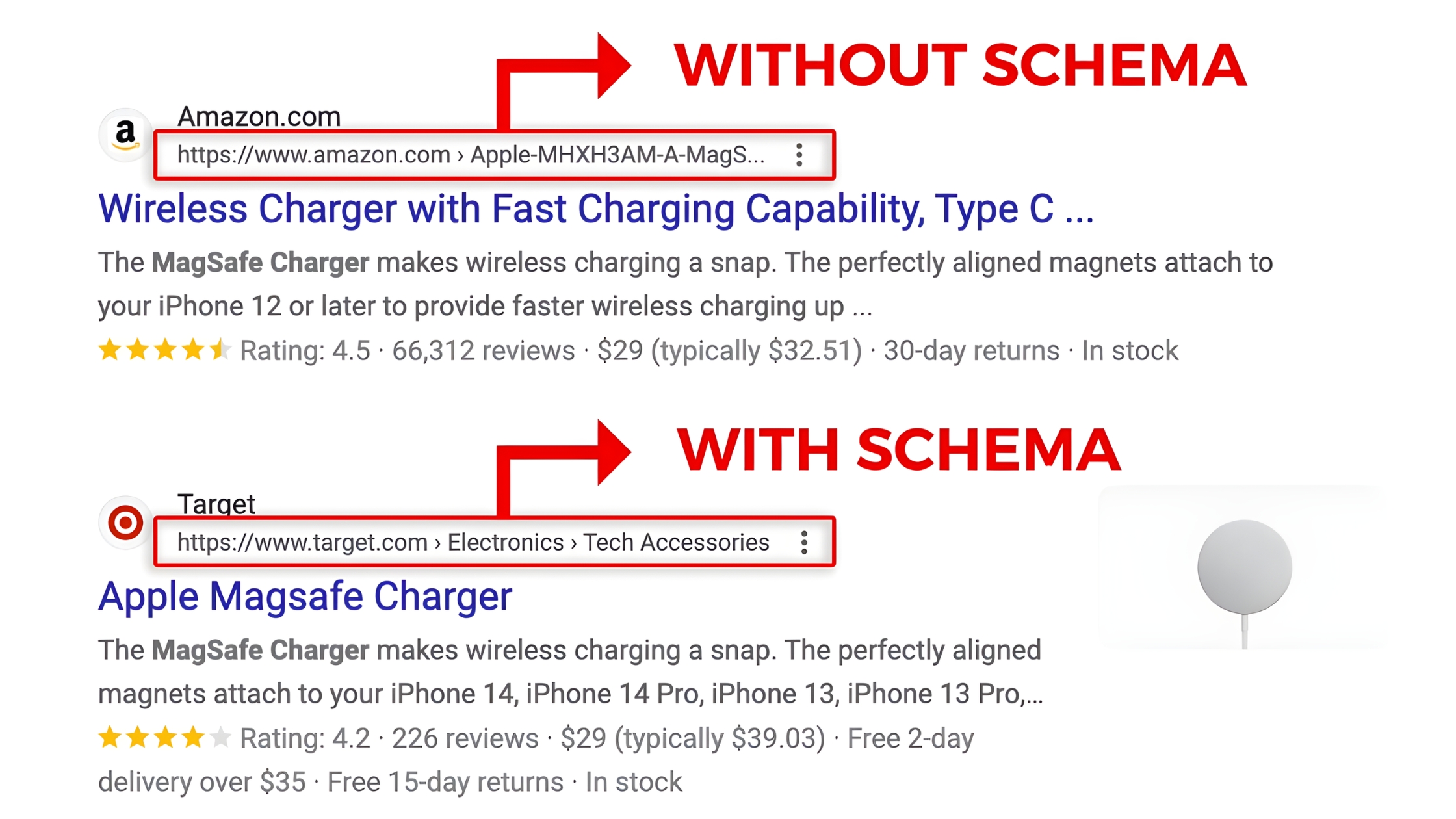
If your website doesn’t use schema markup, search engines have to guess key details about your business such as hours, address, and reviews. Schema provides this data in a structured format, helping Google display rich snippets that make your listing more visible and credible.
How to Fix It:
- Use a schema generator like Merkle’s Schema Markup Generator.
- Implement via WordPress plugins like Yoast SEO or Rank Math.
Also Read: Why Landscaping Companies in USA Can’t Afford to Ignore SEO
10. Ignoring or Mishandling Customer Reviews
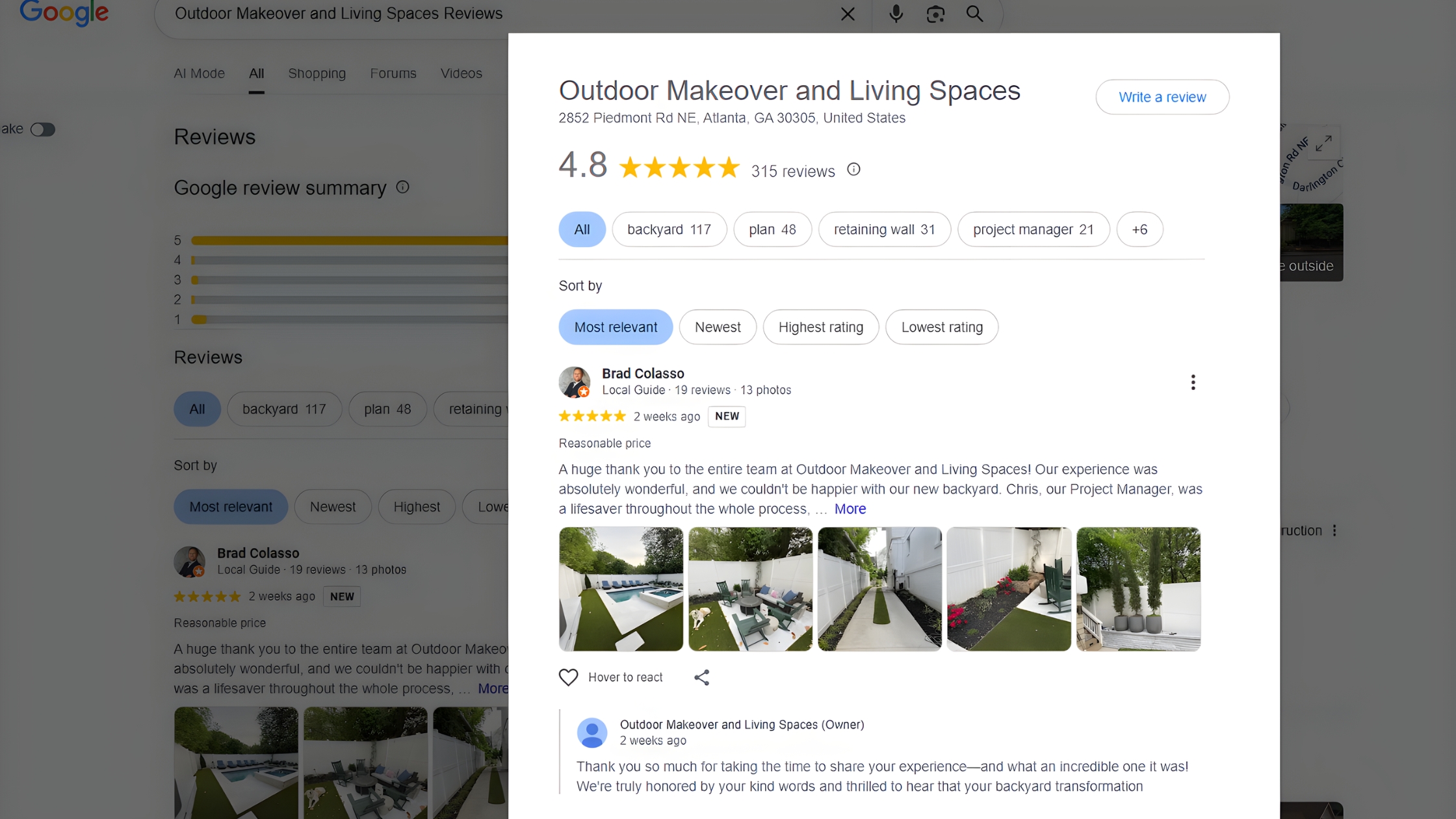
Not having a strategy to collect reviews, or ignoring negative reviews, can seriously hurt your local SEO and reputation. Reviews are a major ranking factor, and a steady stream of positive feedback signals to Google that your business is trusted. Responding professionally to all reviews, including negative ones, builds credibility and reassures potential customers considering your services.
How to Fix It:
- Ask every happy customer to leave a review, with a direct link.
- Respond to all reviews professionally, addressing negative feedback politely and offline when needed.
Local SEO in USA has become the backbone of visibility for landscaping companies. It’s what helps your business appear right when nearby customers are searching for your services. By fixing the common SEO mistakes, optimizing your Google Business Profile, and creating content around local search intent, your business can attract more qualified leads and steady growth — right from your community.
Why Landscaping Companies in USA Need Local SEO?
The U.S. has over 600,000 landscaping businesses, making the landscaping industry highly competitive. Appearing top or at least somewhere in local search results has become more important than ever.
Recent data indicates Google Maps has over 2 billion monthly users, making it the world’s most popular navigation app. On the other hand, more recent estimates from June 2025 reveal that Apple Maps has between 75 and 100 million users. This means that thousands of potential customers are searching for local landscaping services every day, and businesses that aren’t visible are missing out on potential leads.
The Impact of Appearing In Local Search:
Local SEO is a critical opportunity for landscaping companies to enhance their online visibility and attract a motivated customer base. The following data shows the importance of being visible in local searches:
- A staggering 46% of all Google searches are for local information, with “near me” queries exceeding 1.5 billion searches every month (ReviewTrackers).
- 94% of high-performing brands have a set local marketing strategy (Brand Beacon Report, 2024).
- Businesses featured in the local map pack get 126% more traffic and 93% more calls, website clicks, and direction requests compared to businesses ranked in positions 4–10.(Semrush)
Mobile drives this trend and for obvious reasons. In 2024, reports estimated that users in the U.S. made around 800 million “near me” searches every month. Other studies show this trend has continued to rise, with such queries increasing by more than 200% between 2021 and 2024.
If you’re concerned about local search, Engage Coders’ experienced SEO experts in USA can help. We’ve helped numerous landscaping businesses establish authority in local search results — check our portfolio for details.
Get Your Free Local SEO Consultation Today
Want your landscaping company to show up and dominate in local searches?
Engage Coders helps landscaping businesses in USA grow through
powerful local SEO strategies that boost visibility, website traffic, and credibility.
FAQs
Q. Why isn’t my USA landscaping company showing up in Google Maps?
If your USA landscaping company isn’t appearing in Google Maps, it’s likely due to incomplete or unoptimized Google Business Profile information, inconsistent NAP listings, or lack of local backlinks. Engage Coders SEO experts in the USA can fix these issues and ensure your landscaping company ranks in local searches.
Q: How can my landscaping company rank higher in Apple Maps and local searches?
To rank higher in Apple Maps and local searches, your landscaping company needs to optimize its profiles on key platforms, ensure consistency across the web, gather strong reviews, and improve your website’s performance. A strong local SEO strategy includes both Apple-specific tactics and broader practices that influence all local search results, including Google.
Q. Why am I getting website traffic but no local leads?
Generic SEO or national-focused strategies may drive traffic but fail to capture local leads. Our SEO experts in USA handle end-to-end local SEO for your landscaping company, from service page optimization and local content creation to review management, Google Business Profile optimization, and local backlink building, ensuring your business ranks where local clients are searching.
Q. How do I handle negative reviews for my USA landscaping company?
To handle negative reviews for your landscaping business in USA, respond promptly and professionally. Acknowledge the customer’s experience, take responsibility without making excuses, and offer to continue the conversation offline to resolve the issue. Once resolved, provide a remedy if appropriate and politely ask the customer to update their review.
Q. Why isn’t my USA landscaping company ranking locally?
Several factors can prevent your USA landscaping company from ranking locally, such as an unoptimized Google Business Profile, inconsistent NAP information across the web, and few or no local reviews. Local SEO for service businesses is competitive, and even small mistakes can result in lower rankings.
Q. How can my USA landscaping company get found locally fast?
To get your landscaping company found locally fast, focus on optimizing your online presence for local search. Key steps include fully optimizing your Google Business Profile, actively collecting customer reviews, and using targeted local advertising. Alternatively, you can hire our SEO experts for landscaping companies in USA to handle these strategies and boost your local visibility quickly.


