

What Will Influencer Marketing Look Like in 2026? Expert Predictions + New Data
Gone are the days when celebrity endorsements alone could sway consumer behavior. In 2026, has matured into a multifaceted discipline that prioritizes authenticity, data-driven strategies, and community connection. As digital ecosystems expand and audiences demand more transparency, the need for brands to evolve their approach is more pressing than ever.
This blog explores how the Influencer Marketing Trends 2026 are reshaping brand-consumer dynamics, and how marketers can stay ahead by understanding the nuances of partnerships, platforms, and performance metrics. Whether you’re new to the field or fine-tuning your campaigns, this guide offers essential insights into the Future of Influencer Marketing.
Table of Contents
What Is Influencer Marketing?
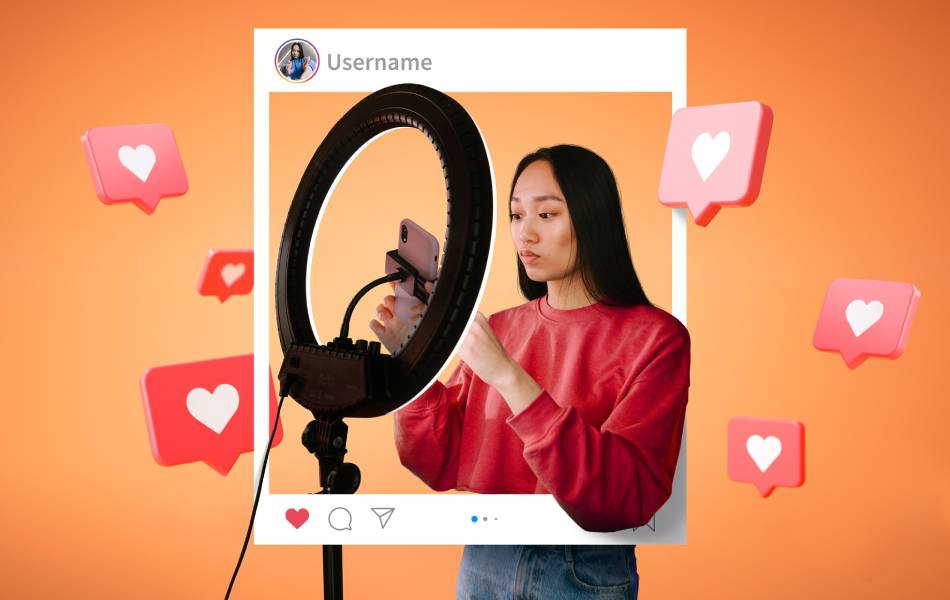
Influencer marketing refers to the collaboration between brands and content creators who have built a loyal following in a particular niche. These influencers promote a brand’s product or service in a way that feels personal and trustworthy. At its core, this strategy thrives on authenticity and community-driven credibility, which is why Authentic Influencer Partnerships are more valuable than ever.
Types of Influencers
Before diving into strategies, it’s essential to understand the various types of influencers brands are working with in 2026:
Brand Influencer
A brand influencer has an engaged audience in a specific niche and frequently collaborates with brands to influence purchase decisions.
Brand Ambassador
Typically on long-term contracts, brand ambassadors represent a company’s lifestyle, embodying its values and promoting products consistently.
Micro-Influencer
Micro-influencers, with smaller yet engaged communities, dominate the Micro vs Celebrity Influencers debate. Their relatability often leads to higher engagement and conversions.
Celebrity Influencer
While celebrities offer mass exposure, the Influencer Marketing Trends 2026 suggest a shift toward more relatable voices. Only a small percentage of marketers rely solely on celebrity endorsements.
Key Opinion Leader (KOL)
Experts in specialized fields, KOLs bring credibility to niche campaigns, offering value through knowledge and thought leadership.
Platform Strategy: Where Should You Focus?
To optimize any Influencer Marketing Strategy Guide, platform selection is key. Instagram and YouTube remain dominant, while TikTok continues to grow. Interestingly, platforms like Reddit are rising in significance for Social Media Influencer Campaigns, as users seek genuine, discussion-based engagement.
Influencer Marketing Challenges
Marketers face hurdles such as finding the right influencers, measuring ROI, and adapting to frequent algorithm changes. These challenges highlight the importance of building a flexible, data-informed approach.
How to Work with Influencers: Strategy Guide
-
Define What Success Looks Like
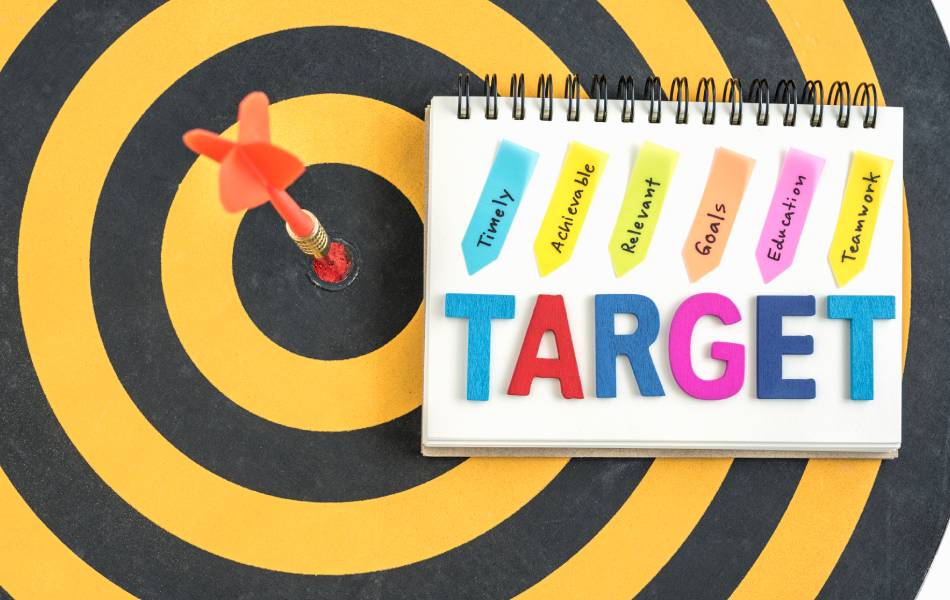
Success goes beyond likes and follows. Set SMART goals focused on reach, engagement, and conversions. A winning campaign always begins with clarity. -
Understand Your Campaign Audience
Your campaign audience might be a focused subset of your broader customer base. Understanding who you want to reach and tailoring messaging accordingly is vital for success. -
Determine Your Budget and Influencer Type
Budgets determine whether you’ll work with micro-, macro-, or celebrity influencers. With Micro vs Celebrity Influencers, many brands lean towards micro-creators for cost-effective and targeted engagement. -
Choose the Right Influencer
Beyond follower counts, consider alignment in values, content quality, and audience engagement. Authentic Influencer Partnerships stem from selecting creators who genuinely believe in your brand. -
Craft a Message That Resonates
Provide brand guidelines but let influencers lead creatively. Empowering them results in authentic content that performs better in Social Media Influencer Campaigns. -
Set Clear Expectations
Define roles, deliverables, timelines, and compensation. Use influencer contracts to formalize the partnership. -
Know FTC Guidelines
Transparency matters. Influencers must disclose paid promotions. Understanding these rules ensures compliance and preserves trust. -
Compensate Fairly
Influencers are professionals, and fair compensation is crucial for long-term collaboration. Consider your budget and offer value whether monetary or experiential. -
Measure Campaign Results
Track KPIs like engagement, reach, conversions, and ROI. These insights refine future campaigns and demonstrate the impact of your efforts.
Influencer Marketing Examples
-
Gentle Monster x Bratz
This collaboration blended fashion with nostalgia, driving viral engagement across TikTok and Instagram through visually creative, story-driven content. -
Kerrygold’s Influencer Trip
By hosting creators in Ireland, Kerrygold showcased its cultural heritage. The campaign’s authenticity and immersive experience resonated widely. -
Bumble x Amelia Dimoldenberg
This partnership leveraged humor and cultural relevance, underlining the effectiveness of influencer alignment and voice.
Future of Influencer Marketing: 2026 Predictions
-
Influencers as Guides, Not Heroes
Gone are the days of untouchable icons. Today, influencers who act as relatable guides win hearts. It’s no longer about aspiration, but connection. -
AI in Influencer Marketing
AI tools now streamline content creation and scheduling, allowing influencers to focus more on storytelling. In 2026, expect AI in Influencer Marketing to boost quality and quantity alike. -
From Audience to Community
The new wave emphasizes Building Community with Influencer Marketing. Engagement is no longer one-sided; communities interact with influencers and with each other. -
Rise of Recurring Formats
Instead of one-off ads, recurring formats and episodic content provide continuity. Influencers are becoming digital storytellers with loyal audiences. -
Brand Experiences for All
There’s a shift from exclusive influencer perks to inclusive customer experiences. The democratization of influencer marketing makes everyday users part of the narrative.
Final Thoughts
The Future of Influencer Marketing is one where authenticity rules, AI enhances creativity, and communities drive engagement. With the right tools, the right voices, and the right platforms, brands can build meaningful, lasting connections. Whether you’re comparing Micro vs Celebrity Influencers or drafting your next Influencer Marketing Strategy Guide, remember: real influence starts with real people.
Keep an eye on the Influencer Marketing Trends 2026, and adapt your strategy to meet the moment. In this new era, relevance isn’t about reach alone, it’s about resonance.
Partner with our Digital Marketing Agency
Ask Engage Coders to create a comprehensive and inclusive digital marketing plan that takes your business to new heights.
Contact Us
FAQs:
Audiences crave real connections rather than polished ads, making genuine creator endorsements far more persuasive. A strong influencer marketing strategy prioritizes this trust to drive meaningful brand loyalty.
Yes, smaller creators often boast highly active, niche audiences that trust their specific recommendations. This micro influencer engagement frequently translates to better conversion rates than broad celebrity posts.
Advanced algorithms help creators ideate, edit, and schedule posts efficiently without losing their unique voice. Leveraging AI influencer tools allows brands and creators to scale their content output seamlessly.
Shifting from a one-way broadcast to interactive dialogues fosters deeper audience relationships and brand advocacy. This community marketing growth turns passive followers into vocal, long-term brand champions.
Instagram and YouTube remain staples, while TikTok leads in viral short-form video reach. The right choice depends entirely on your target demographic and specific campaign goals.
Marketers use trackable affiliate links, custom promo codes, and dedicated landing pages to measure direct sales. Tracking these metrics is essential for calculating accurate influencer campaign ROI.
Continuous partnerships build sustained trust, as audiences see the creator genuinely integrating the product into their daily life over time. This ongoing exposure consistently outperforms one-off transactional posts.
Creators act as relatable peers sharing personal experiences, which feels much more authentic than corporate messaging. Their established rapport with followers breaks down traditional advertising skepticism.
Finding the perfect brand fit, navigating shifting algorithm updates, and ensuring transparent FTC compliance are major hurdles. Additionally, accurately measuring direct financial impact remains a common pain point.
Start with clear goals, utilize data to vet creators, and establish standardized contracts and deliverables. Relying on reliable software platforms also helps streamline communications and track performance at scale.


