

Why User-Generated Content Works Well for SEO
Google Loves Helpful Content—And User-Generated Content Delivers
Discover how to boost SEO with reviews, forums, and social media insights that search engines (and people) trust.
It’s no coincidence that Reddit threads and forum posts now dominate Google’s top results. Today’s users crave content that feels real, relatable, and experience-driven.
They want:
- Honest advice
- Firsthand stories
- Authentic inspiration
- Peer-to-peer recommendations
Forums like Reddit meet these needs—but they’re just one part of a larger trend.
As Google’s algorithm evolves, user-generated content (UGC) is playing a bigger role in what ranks and what gets ignored. And forward-thinking brands are taking advantage.
They’re using UGC to:
- Build trust
- Improve organic visibility
- Connect with audiences more meaningfully
But what makes UGC so powerful for SEO? And how can your brand turn it into a strategic advantage?
In this blog, we’ll:
- Break down UGC’s alignment with Google’s “helpful content” framework
- Share actionable ways to integrate reviews, forums, and social posts into your SEO and content strategy
Table of Contents
Why Is Google Prioritizing UGC?
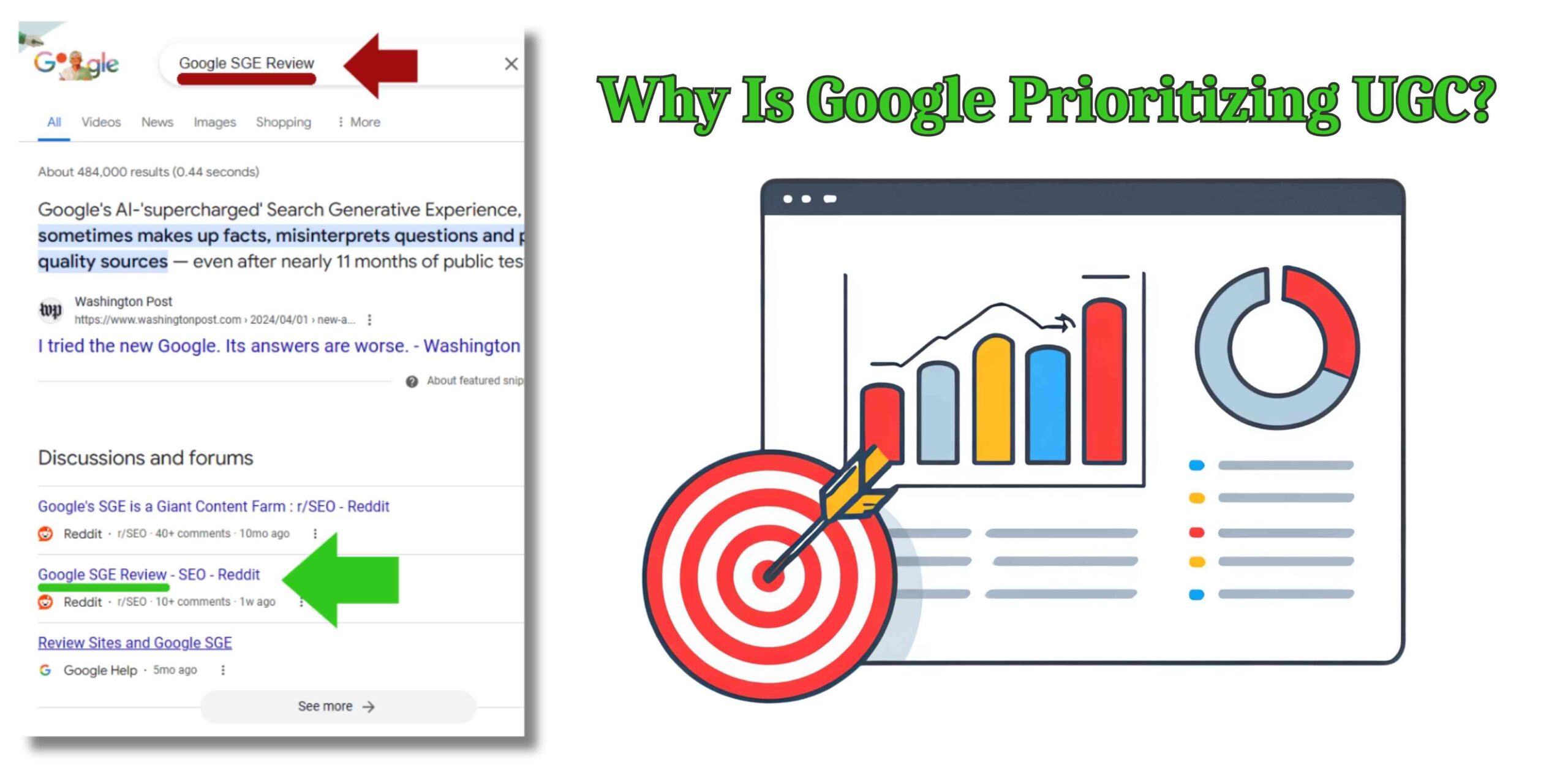
Reddit’s sudden surge in Google’s search results might seem like it happened overnight (the traffic graphs certainly suggest that).
But just like the rollout of AI Overviews, this shift has been building for a while—competition simply accelerated the timeline.
Here’s the reality:
Non-Google platforms like Reddit, TikTok, and Instagram are offering search experiences that often feel more relevant, engaging, and human. In some contexts, they’re doing a better job than Google at meeting users’ expectations.
One striking example?
In a 2022 talk at Fortune’s Brainstorm Tech conference, Google’s own Prabhakar Raghavan shared this insight:
“In our studies, something like almost 40% of young people, when they’re looking for a place for lunch, they don’t go to Google Maps or Search… They go to TikTok or Instagram.”
Google had already taken note, experimenting with TikTok and Instagram content in search results as early as 2021. By 2023, Reddit was everywhere in the SERPs.
And this trend isn’t slowing down. Google is increasingly pulling user-generated content (UGC) into search results in more prominent, visual, and interactive ways.
Google Evolves as User Expectations Change
The rising visibility of UGC is part of Google’s core mission to:
- Deliver the most helpful, relevant answers to every query
- Match information formats to user preferences and intent
To stay dominant, Google must evolve with users, not just search algorithms. And in many cases, UGC is the most effective way to meet modern expectations.
In other words, Google is making a bold bet:
The best way to understand what people want… is to listen to other people.
That’s why UGC is gaining more traction in search, and why brands who create for real people, not just search engines, are positioned to win.
New Queries Demand Fresh Answers
Every single day, new search queries emerge—in fact, nearly 15% of Google searches are completely new.
But here’s the catch:
Most branded content is reactive. It only gets published after marketers notice a trend or see keyword volume building, after users have already been searching.
This delay creates a natural lag between what people want to know and when content appears to answer it.
Take traditional keyword research, for example:
Content typically gets created only once a query shows measurable search volume. By that time, the demand had already existed for a while, and early opportunities were missed.
That’s where user-generated content (UGC) changes the game.
For Google, UGC serves as a real-time source of fresh perspectives and emerging insights. It allows search to surface relevant answers to both newly formed questions and longstanding topics with updated, experience-driven takes.
In short, UGC helps Google fill the gaps—quickly and authentically.
User-Friendly Formats Are Shaping Search
The way people consume information has changed dramatically in the past decade.
In his 2022 talk, Google’s Prabhakar Raghavan pointed out that Google Maps is modeled after a paper map—but most younger users have never used one. Their expectations are shaped by modern, intuitive, and visually driven formats.
That’s where user-generated content (UGC) comes in.
For Google, UGC offers a way to match how people prefer to learn and discover, bringing real voices, flexible formats, and relatable content to the forefront of the search experience.
Take recipes, for example.
Say I want to finally put that molcajete I got last year to use, so I search for “molcajete salsa recipe.”
Google’s search results page (SERP) now gives me a variety of options, not just one standard format. At the top, I might see a visual grid of recipe blog links, followed by Reddit threads, TikTok-style videos, or forum posts where people share their takes, tips, and tweaks.
This is Google aligning with how users want to engage:
- Quick overviews, real-life experiences, and content that feels human.
- And UGC plays a big role in making that possible.
UGC and Google’s Helpful Content Framework
Google puts it plainly:
“Google’s automated ranking systems are designed to present helpful, reliable information that’s primarily created to benefit people, not to gain search engine rankings.”
That’s straight from their guide: Creating Helpful, Reliable, People-First Content.
User-generated content (UGC) aligns perfectly with each of those three pillars:
1. Helpful
UGC delivers value in ways brand-created content simply can’t replicate.
Take product photography, for instance.
On product pages, we often see studio-quality images—clean, polished, consistent. They’re designed to showcase the product at its best and from every angle. They help users understand what the product is, what it looks like, and why they might want it.
But now consider photos shared by real customers.
These UGC images do something different:
They help potential buyers see how the product fits into real life—how it looks in action, how it fits, how it performs in everyday settings.
That context builds trust and relatability.
A great example? Look at the Adidas Samba sneakers on sites like Adidas, Finish Line, or Nordstrom.
Each site might feature similar branded imagery, but scroll down, and you’ll often find real customer photos. That UGC makes the experience more personal, more helpful, and more aligned with what shoppers want to see.
2. Reliable
Let’s face it—when people want honest feedback, they skip the sales pitch.
Today, most product searches in the U.S. start on Amazon, not Google. Why? Amazon is packed with what people really want: authentic reviews, ratings, and Q&A from other users.
And that’s no small detail—98% of consumers say reviews are essential to their decision-making process.
Sure, brands can claim their product is the best. But trust is earned through real experiences, not marketing language. That’s exactly why reviews exist: they provide the confidence that only word-of-mouth validation can bring.
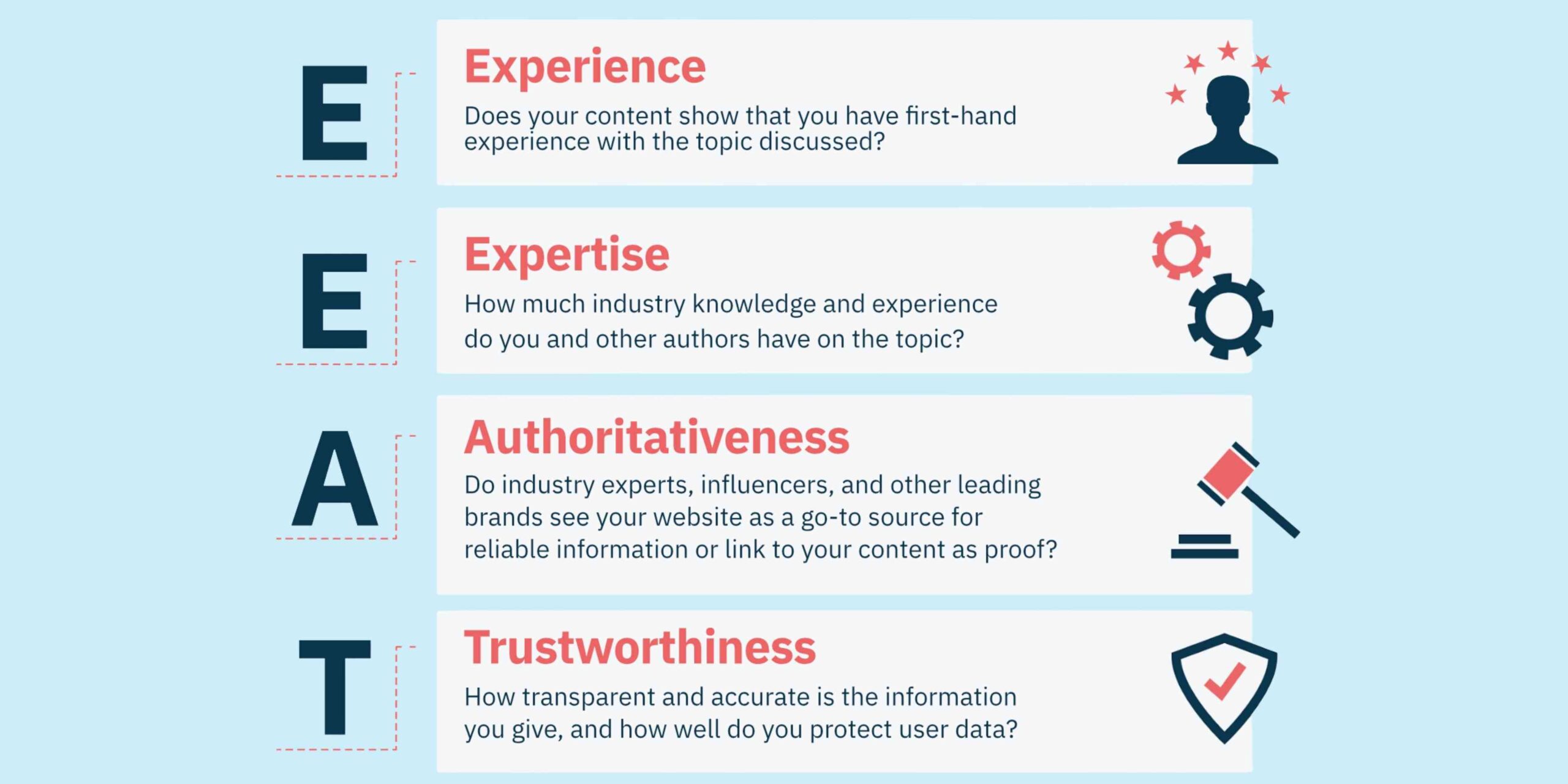
From an SEO perspective, user-generated content (UGC) plays a major role in building reliability and trust. It supports Google’s E-E-A-T principles (Experience, Expertise, Authoritativeness, and Trust), especially:
- Experience (firsthand use, authentic insights)
- Trust (genuine feedback from real users)
Here’s how UGC helps:
- Boosts authority through real-world testimonials
- Shares authentic perspectives that go beyond brand copy
- Builds confidence, especially important for big-ticket purchases
78% of consumers say the more expensive the product, the more they rely on reviews.
And those trusted reviews? They’re not always on your site. Many users turn to platforms like Reddit, where real people share real opinions. Case in point: one user consulted the Reddit community before investing in an expensive indoor gardening system—because that’s where honest, practical insight lives.
3. People-First
User-generated content (UGC) is inherently people-first—it comes straight from the voices of real users, shaped by their wants, needs, and experiences.
But UGC goes beyond just content creation. It also provides deep insight into what people actually care about—giving brands a rare opportunity to align with real human intent at scale.
UGC isn’t just people-powered, it’s people-informing.
By analyzing sources like:
- Internal and external customer reviews
- Social media posts and comments
- Search trends and autocomplete data
- Forum discussions (e.g., Reddit, Quora)
…you gain a window into your audience’s mindset.
These insights can fuel not just better content, but better decisions across marketing, product development, and customer experience.
Here’s what this data can reveal:
- What users are confused about
- What features do they love (or wish existed)
- Which content formats and styles resonate best
- How users apply your product or service in their daily lives
Example: Take a look at Brooklinen. One of their sheet bundles has nearly 23,000 customer reviews, many of which are upvoted by other users. That’s not just feedback—it’s crowd-validated feedback.
When brands tap into this kind of UGC data with the help of APIs, first-party analytics, or third-party tools, they gain a real-time, people-first playbook for what to write, how to write it, and who it should serve.
Let Your Users Help You — and Help Your SEO
Within your review data lies a powerful SEO advantage.
The most upvoted or “helpful” reviews often highlight details missing from your product descriptions—the kind of real-world insight people want before making a decision.
By filtering reviews that meet a certain like or helpfulness threshold, you can create a narrowed, high-quality data set.
Then, using machine learning or simple text analysis, you can identify patterns and recurring themes in those reviews.
These insights reveal:
- What users consistently praise or complain about
- What features or uses matter most
- What’s unclear or confusing about your current messaging
That information can—and should—be used to improve your product pages. The result? A more helpful, relevant, and user-aligned experience, which also happens to be exactly what Google’s SEO guidelines favor.
Building for the Future of SEO Starts With People
By encouraging users to create content (reviews, testimonials, forum threads, etc.) and having a clear strategy to leverage that content to improve user experience, you’re aligning with where SEO is headed.
At the end of the day, Google’s mission mirrors your own: Help people find what they need, so they keep coming back. UGC isn’t just valuable—it’s vital to building trust, relevance, and lasting SEO performance.
Partner with our Digital Marketing Agency
Ask Engage Coders to create a comprehensive and inclusive digital marketing plan that takes your business to new heights.
Contact Us
Boost your visibility with Engage Coders’ SEO services in the USA—tailored to align with Google’s evolving, people-first algorithms. Leverage UGC, E-E-A-T, and modern SEO strategies to rank higher and connect authentically with your audience. Contact us today!
FAQ’s
User-generated content (UGC) for SEO includes reviews, comments, and forum posts created by real users. It signals relevance and adds fresh, indexable text for search engines.
Google favors authentic human experiences. UGC often satisfies search intent better than branded copy, which is why Reddit SEO rankings and forum content have surged.
Google’s helpful content update prioritizes people-first content. Genuine customer stories and unfiltered insights align perfectly with this focus.
Search engines are elevating human discussions to counter AI spam, resulting in higher visibility for Reddit SEO rankings and peer-to-peer advice.
Real reviews demonstrate experience and trust, strengthening E-E-A-T signals and validating real-world product or service usage.
Yes. Reviews add fresh keywords, improve CTR through star ratings, and signal engagement—positively influencing SEO performance.
UGC reflects the real language and questions users ask, helping search engines better match content to specific problems and intent.
Customer reviews, Q&A sections, unboxing videos, and forum discussions are the most effective UGC formats for SEO.
Moderate spam while allowing honest feedback. Authenticity builds trust and avoids penalties while preserving SEO value.
Yes. As AI-generated content increases, human-created UGC is becoming the key differentiator for trust, authority, and long-term rankings.


![5 New SEO Ranking Challenges You’re Facing Right Now [& A Fix]](https://www.engagecoders.com/wp-content/uploads/2025/05/5-New-SEO-Ranking-Challenges-Youre-Facing-Right-Now-A-Fix-450x350.jpg)
